Blackdown Hills
The Blackdown Hills are a range of hills located in England, spanning the border between the counties of Somerset and Devon. Situated south of Taunton and…
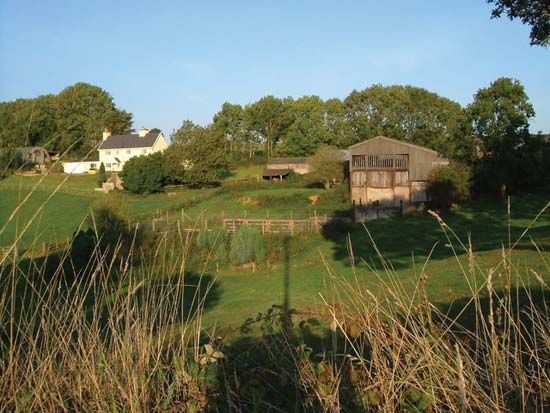
What is Blackdown Hills?
The Blackdown Hills are a range of hills located in England, spanning the border between the counties of Somerset and Devon. Situated south of Taunton and north of Honiton, the landscape is characterized by its chalk and greensand geology. The area is primarily drained by the River Culm, a tributary of the River Exe, and the River Otter. Due to the region’s chalky soils, agriculture—particularly dairying—remains a significant economic activity for the area.1
What is an Area of Outstanding Natural Beauty?
An Area of Outstanding Natural Beauty (AONB) is a designation in the United Kingdom used to protect and conserve landscapes of significant natural value. These areas are recognized for their distinctive character and natural beauty, which are considered worthy of special protection to ensure their preservation for future generations.
While the Blackdown Hills are a notable example of such a landscape, the AONB designation serves as a formal framework to manage land use, support local biodiversity, and maintain the cultural heritage of these unique environments. By balancing conservation with sustainable development, these areas remain vital for both ecological health and public enjoyment.
How do rivers like the Culm and Otter shape the landscape?
Rivers like the Culm and Otter act as primary agents in molding the landscape through the processes of erosion and deposition.
While these rivers transport water and sediment, they also transform the underlying geologic materials into distinct topographic forms. This process occurs in several ways:2
- Erosion: As sediment-laden water moves across the surface, it carves into the terrain, creating erosional landforms that reflect the power of the flowing water.2
- Deposition: When the energy of the river decreases, it can no longer transport its sediment load. This material is deposited, constructing new landforms that may bury or reshape the existing surface.2
- Combined Effects: Many features in a landscape result from a combination of both erosional and depositional processes, creating a continuum of fluvial forms that define the regional character.2
Ultimately, the specific landforms created by the Culm and Otter are determined by the interaction between the local geology, the intensity of the fluvial processes, and the duration over which these forces have operated.2
What kind of wildlife lives in the Blackdown Hills?
The provided information does not contain details regarding the specific wildlife found in the Blackdown Hills. The available data focuses on the region’s geography, geology, and agricultural practices, such as dairying on its chalky soils.
Sources
- Blackdown Hills — Encyclopædia Britannica
- river - Rivers as agents of landscape evolution — Encyclopædia Britannica
Published on · 2 min read