Playing with Wildfire: 5 Amazing Adaptations of Pyrophytic Plants
"Playing with Wildfire: 5 Amazing Adaptations of Pyrophytic Plants" is an educational feature detailing how certain plants have evolved to survive or even…
What is Playing with Wildfire: 5 Amazing Adaptations of Pyrophytic Plants?
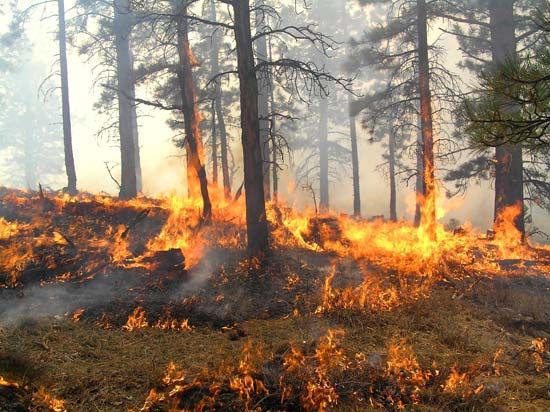
“Playing with Wildfire: 5 Amazing Adaptations of Pyrophytic Plants” is an educational feature detailing how certain plants have evolved to survive or even thrive in fire-prone environments. While fire is often destructive, these species utilize specific biological strategies to persist in these ecosystems.1
The five primary adaptations include:
- Fire-activated Seed: Some species, such as lodgepole pine, require the heat of a fire to melt resin that seals their cones, while others rely on chemical signals from smoke to break dormancy.1
- Thermal Insulation: Plants like giant sequoias utilize thick bark or moist tissues to protect vital internal structures from heat.1
- Resprouting: Many plants possess protected buds or underground organs, such as lignotubers, that allow them to regenerate after the above-ground portion is destroyed.1
- Prolific Flowering: Species like the grass tree take advantage of ash-fertilized soil by blooming rapidly following a blaze.1
- Tall Crowns: Trees like the Eucalyptus keep their foliage high above the reach of flames to minimize damage.1
What is the role of ash in soil fertility after a fire?
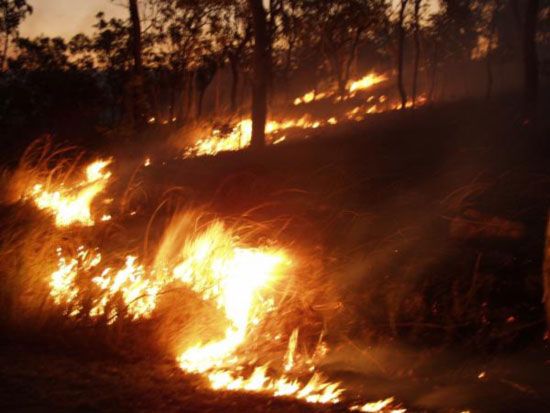
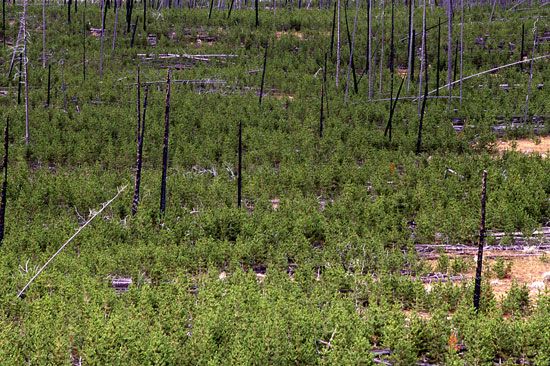
The provided search results do not contain information regarding the specific role of ash in soil fertility following a forest fire. While the documents discuss the long-term benefits of nutrient-rich volcanic ash for soil quality and the ecological recovery process following fires in Yellowstone National Park4, they do not explicitly link fire-produced ash to post-fire soil fertility.3
How do controlled burns help manage forest ecosystems?
Controlled burns, or prescribed fires, are intentional applications of fire used by land managers to maintain and restore forest ecosystems. By carefully selecting weather and fuel conditions, managers use these fires to achieve specific ecological and safety objectives.5
Key roles of controlled burns in forest management include:
- Hazard Reduction: By decreasing fuel loading—such as accumulated litter, branches, and fallen trees—prescribed fire minimizes the risk and intensity of future, uncontrolled wildfires.56
- Ecosystem Restoration: Many ecosystems are fire-adapted, meaning native species rely on periodic fire to persist and reproduce. Controlled burns restore these historical conditions, especially in areas where fire suppression has led to unnatural fuel buildup.57
- Biological Management: Fire reduces competition among plants, helps control insect infestations and diseases, and can improve the quality of forage for wildlife and livestock the quality of forage for wildlife and livestock.56
- Silviculture: Prescribed fire is used to prepare seedbeds, which facilitates the natural germination of many tree species.6
What are some animals that depend on fire-adapted plants?
Many animals rely on fire-adapted ecosystems to provide essential food, nesting grounds, and habitat structure. Because these environments are maintained by periodic fire, the species within them have evolved to depend on the specific vegetation patterns that follow a blaze.
Examples of animals that depend on fire-adapted plants include:
- Kirtland’s Warbler: This endangered bird is highly specialized, nesting exclusively in the grasses and shrubs found beneath the living branches of young jack pines. These trees require specific fire regimes to maintain the necessary age structure for the warbler’s habitat.1
- Game Species: Many herbivores, such as cattle, elk, and bison, rely on the high-quality forage that emerges after rangelands are burned. Similarly, in Australian savannas, the fresh green grass that sprouts following a fire attracts wallabies and other game.87
- Small Prey Species: Indigenous practices in savanna regions have long used fire to reveal and harvest small animals, including lizards, turtles, and rodents, which thrive in the open landscapes created by fire.7
Sources
- Playing with Wildfire: 5 Amazing Adaptations of Pyrophytic Plants — Encyclopædia Britannica
- pyrophyte — Merriam-Webster
- volcano - Ash falls — Encyclopædia Britannica
- ecological disturbance - Fire legacy in Yellowstone — Encyclopædia Britannica
- prescribed fire — Encyclopædia Britannica
- forestry - Fire prevention and control — Encyclopædia Britannica
- Wildfire: Top Questions — Encyclopædia Britannica
- conservation - Fire control — Encyclopædia Britannica
- Savanna - Role of wildfire — Encyclopædia Britannica
Published on · 3 min read