Brooklyn Botanic Garden and Arboretum
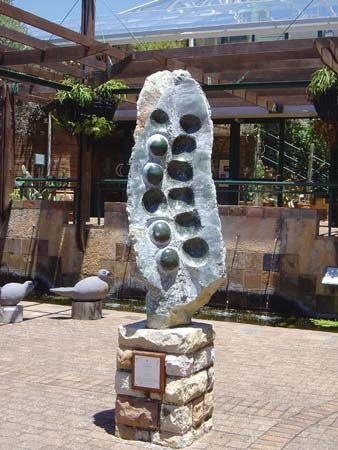
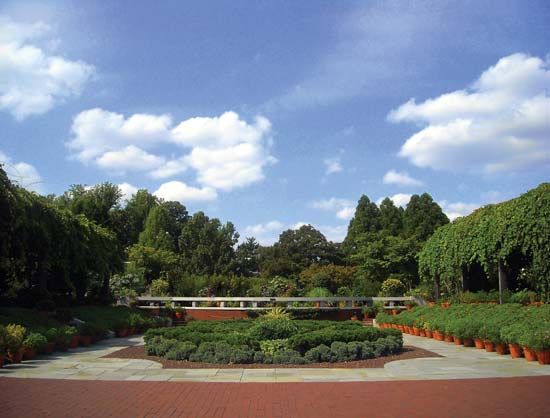
The Brooklyn Botanic Garden is a 50-acre botanical garden located in Brooklyn, New York, founded in 1911. While your query refers to it as the "Brooklyn…
What is Brooklyn Botanic Garden and Arboretum?
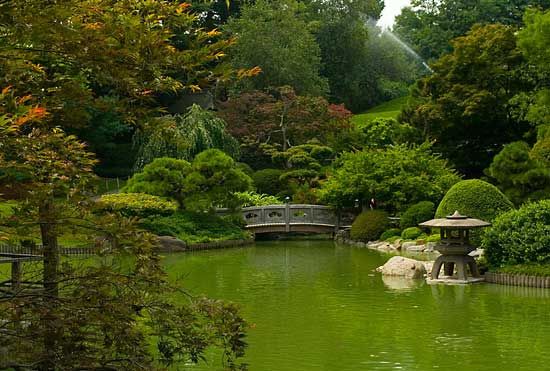
The Brooklyn Botanic Garden is a 50-acre botanical garden located in Brooklyn, New York, founded in 1911. While your query refers to it as the “Brooklyn Botanic Garden and Arboretum,” it is officially known as the Brooklyn Botanic Garden; an arboretum is a specific type of collection focused on trees and shrubs that may exist as a standalone institution or as a component of a larger botanical garden.123
The garden is municipally owned and privately operated by the Brooklyn Institute of Arts and Sciences. It houses over 12,000 plant forms, including specialized collections of roses, orchids, cacti, and bonsai, alongside unique features like a fragrance garden for the blind and a Shakespeare garden. Beyond its displays, the institution is recognized for its extensive public education programs and its 220-acre field station in Westchester County.1
What is the difference between a botanical garden and an arboretum?
While botanical gardens and arboretums share a focus on the cultivation and study of plants, they differ primarily in their scope and specialization.
- Botanical Garden: These are institutions dedicated to the collection, study, and exhibition of a wide variety of plants, including flowers, herbs, and succulents, often organized by taxonomic relationships or geographic origin. They frequently include greenhouses for tropical species and research facilities like herbaria and libraries.324
- Arboretum: This is a specialized type of garden focused specifically on the cultivation of trees and shrubs for scientific and educational purposes.35
These two entities often overlap; an arboretum may exist as an independent institution or function as a specific section within a larger botanical garden. Unlike public parks, which are primarily designed for recreation or landscape aesthetics, both botanical gardens and arboretums are typically organized to highlight scientific plant relationships and provide educational resources to the public.354
How do botanical gardens help with plant conservation?
Modern botanical gardens serve as vital scientific institutions that play a critical role in plant conservation. They primarily facilitate ex situ conservation, which involves protecting endangered species outside of their natural habitats.78
Key conservation strategies include:
- Living Collections: Gardens maintain genetic diversity by cultivating rare or threatened plants. Some species that are extinct in the wild survive solely due to these efforts.7
- Seed Banks: Many institutions store vast collections of seeds to guard against extinction and support future restoration projects. Global initiatives, such as the Millennium Seed Bank Partnership at Kew Gardens, have successfully banked seeds representing a significant portion of the world’s wild flowering plants.7
- Research and Herbaria: Gardens house herbaria—collections of dried, documented specimens—which provide essential genetic information for taxonomic and ecological research.7
- Public Education: By informing the public about the importance of biodiversity, gardens foster broader support for environmental protection.7
What are some famous botanical gardens in other parts of the world?
There are many world-renowned botanical gardens across the globe that serve as centers for scientific research, conservation, and public education. Here are several notable examples:
- Kew Gardens (United Kingdom): Located in London, this UNESCO World Heritage site is a premier center for botanical research. It houses the world’s largest wild plant seed bank, the Millennium Seed Bank Partnership, and maintains an extensive herbarium of approximately seven million specimens.
- Singapore Botanic Gardens (Singapore): Founded in 1859, this site is celebrated for its aesthetic appeal and its significant collection of orchids. It also serves as a vital research center for Southeast Asian flora.
- National Botanic Gardens of South Africa (South Africa): Situated in Kirstenbosch, this garden focuses on the unique fynbos and forest plants of southern Africa, housing over 6,000 native species.
- Rio de Janeiro Botanical Garden (Brazil): Established in 1808, this garden features a vast collection of over 7,000 tropical plant species, including iconic avenues of royal palms.
- National Botanical Garden of Belgium (Belgium): Located in Meise, this institution features the “Palace of Plants,” a massive greenhouse complex, and maintains an herbarium with nearly two million dried specimens.
Sources
- Brooklyn Botanic Garden and Arboretum — Encyclopædia Britannica
- arboretum — Encyclopædia Britannica
- Botanical garden — Encyclopædia Britannica
- botanical garden — Merriam-Webster
- list of gardens — Encyclopædia Britannica
- Botanical garden - Layouts and facilities — Encyclopædia Britannica
- How Botanical Gardens Save Plants with Science — Encyclopædia Britannica
- Kanha National Park: Top Questions — Encyclopædia Britannica
- National Botanic Gardens of South Africa — Encyclopædia Britannica
- Kew Gardens — Encyclopædia Britannica
- Botanical garden - History — Encyclopædia Britannica
- Rio de Janeiro Botanical Garden — Encyclopædia Britannica
- Singapore Botanic Gardens — Encyclopædia Britannica
- National Botanical Garden of Belgium — Encyclopædia Britannica
Published on · 3 min read