Indonesia Botanical Gardens
The Indonesia Botanical Gardens, located in Bogor, West Java, are renowned for their extensive research on regional flora and their diverse plant…
What are some of the unique plant species found in the Bogor Botanical Gardens?
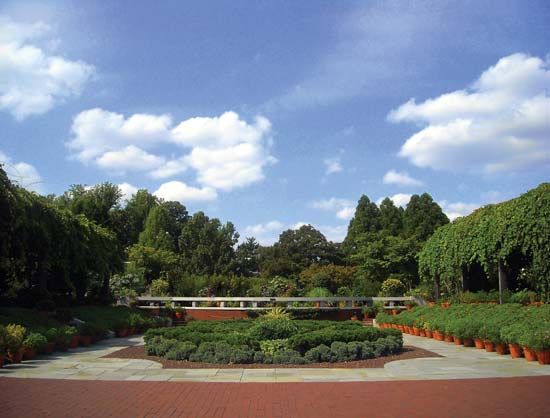
The Indonesia Botanical Gardens, located in Bogor, West Java, are renowned for their extensive research on regional flora and their diverse plant collections. The gardens feature outstanding displays of palms, bamboos, cacti, orchids, and various ornamental trees.1
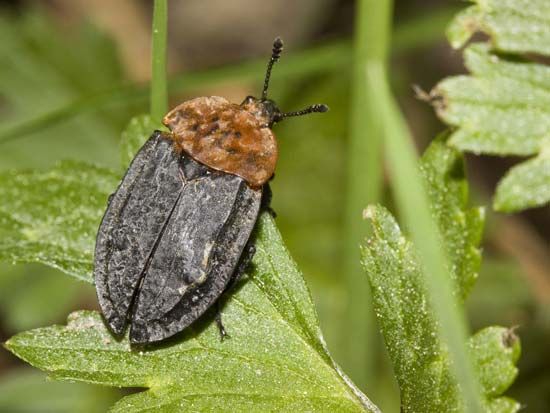
A notable species often associated with botanical gardens in the region is the titan arum (Amorphophallus titanum). While endemic to the rainforests of western Sumatra, this herbaceous plant is frequently cultivated in botanical gardens worldwide. It is famous for producing the largest unbranched inflorescence in the plant kingdom, which can reach over 3 meters (9.8 feet) in height. The plant is well-known for its infrequent flowering cycle and the characteristic carrion odor it emits to attract pollinators like flesh flies and carrion beetles.2
How has the Bogor Botanical Gardens influenced the development of other botanical gardens in Indonesia?
The Indonesia Botanical Gardens in Bogor have served as a foundational institution for the development of botanical science in the region. Established in 1817, the site functioned as a critical training ground for specialists in tropical botany, setting the standards for research and plant collection that would influence future projects across the archipelago.1
The influence of the Bogor site is institutionalized through its direct administration of three other major botanical gardens, which were developed to study diverse ecosystems:
- Cibodas Botanical Garden: Founded in 1862 in West Java, this garden expanded the reach of botanical research into higher-altitude environments.1
- Purwodadi Botanical Garden: Located in East Java, this facility furthered the study of regional flora in different climatic conditions.1
- Eka Karya Botanical Garden: Established in 1959 on the island of Bali, this garden represents the continued expansion of the network’s mission to preserve and study Indonesian plant life.1
By serving as a central hub for research and expertise, the Bogor gardens have provided the administrative and scientific framework necessary for these satellite gardens to thrive.
What is the historical significance of the Bogor Botanical Gardens during the Dutch colonial period?
During the Dutch colonial period, the Bogor Botanical Gardens played a pivotal role in the scientific and economic development of the region. Established in 1817, the site served as a primary hub for the introduction and acclimatization of tropical plants from around the world into the Indonesian archipelago.1
Beyond its role in plant introduction, the garden functioned as a vital training ground for specialists in tropical botany, fostering scientific expertise that supported colonial agricultural interests. The gardens were situated adjacent to the residence of the Dutch governor-general, which was constructed in 1856 and is known today as the Bogor Palace. By preserving a significant portion of the original rainforest, the site provided an essential environment for the study of native flora, establishing a legacy of research that continues to influence the management of botanical institutions in Indonesia today.12
What is the Bogor Botanical Gardens and when was it established?
The Indonesia Botanical Gardens, located in Bogor, West Java, is a renowned tropical botanical garden dedicated to the research of regional flora.1
Spanning 215 acres (87 hectares), the site was officially established as a botanical garden in 1817. Prior to this, the land was utilized by the Dutch to introduce tropical plants from around the world into the region. Today, the garden serves as a significant center for botany, featuring extensive collections of palms, bamboos, cacti, orchids, and ornamental trees, while also preserving a large portion of the original rainforest for scientific study. It currently administers three additional major gardens: the Cibodas Botanical Garden, the Purwodadi Botanical Garden, and the Eka Karya Botanical Garden.12
Sources
- Indonesia Botanical Gardens — Encyclopædia Britannica
- Bogor — Encyclopædia Britannica
- titan arum — Encyclopædia Britannica
- titan arum — Merriam-Webster
Published on · 3 min read