9 Mind-Altering Plants
Plants have been used for millennia to alter human perception, mood, and consciousness. While some substances are used in sacred or ritualistic contexts, it…

What are 9 Mind-Altering Plants?
Plants have been used for millennia to alter human perception, mood, and consciousness. While some substances are used in sacred or ritualistic contexts, it is essential to recognize that many of these plants contain potent toxins, and their use carries significant health risks, including potential lethality.
Based on historical and botanical records, here are several plants known for their mind-altering properties:
- Indian hemp (Cannabis sativa): Widely used for its psychoactive effects, primarily attributed to the compound tetrahydrocannabinol (THC).
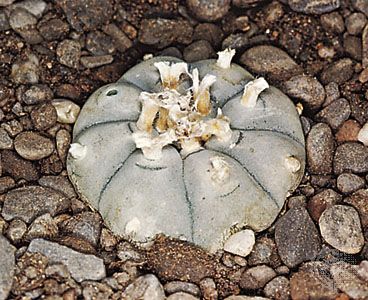
- Peyote: A cactus containing the alkaloid mescaline, historically used in religious ceremonies by Indigenous groups in North America.
- Psilocybe mexicana: A mushroom species containing psilocybin and psilocin, which produce effects similar to LSD.
- Fly agaric (Amanita muscaria): A highly toxic mushroom with hallucinogenic and soporific properties.
- Jimsonweed (Datura species): A psychoactive plant historically used in ritual contexts.
- Tobacco (Nicotiana species): Used in various cultural traditions for its stimulating effects.
- Ergot (Claviceps purpurea): A fungus that grows on grasses; it contains alkaloids used to synthesize LSD.
- Psychotria viridis: A South American plant containing dimethyltryptamine (DMT), a key component in ayahuasca.
- Harmine: An alkaloid derived from the seed coats of a plant native to the Mediterranean and Middle East.

How do neurotoxins in plants and animals affect the human brain?
Neurotoxins are substances that alter the structure or function of the nervous system by causing neurons to malfunction or by disrupting communication between them. Because the brain has a high metabolic rate and complex systems, it is particularly susceptible to damage from these chemical substances.45
Mechanisms of Action
Neurotoxins can be absorbed through inhalation, ingestion, skin contact, or injection. Their effects on the brain and nervous system vary based on the substance and the level of exposure:4
- Interference with Signaling: Some toxins, such as botulinum toxin and those found in botulism, prevent the normal transmission of impulses between nerves and muscles, leading to paralysis. Others, like tetrodotoxin found in puffer fish, inhibit voltage-gated sodium channels on neurons, effectively blocking nerve signals.45
- Excitotoxicity: Certain endogenous substances, such as the neurotransmitters glutamate and nitric oxide, are vital for communication but become toxic to neurons when present in excessively high concentrations.4
- Structural and Cognitive Damage: Exposure to heavy metals like lead or mercury can cause irreversible cognitive damage, dementia, or syndromes affecting the basal ganglia, such as parkinsonism.45
- Systemic Effects: Toxic encephalopathy, characterized by reduced consciousness, delirium, and seizures, can result from poisoning by alcohols or various drugs from poisoning by alcohols or various drugs.5
The impact of these toxins is often more severe in the young and elderly, as developing brains are highly vulnerable to permanent functional deficits, while aging individuals may have a reduced capacity to clear toxins from the body.4
What is the historical significance of using psychoactive plants in religious rituals?
The ritual use of psychoactive plants is an ancient practice with origins lost in prehistory, appearing across diverse cultures as a means to induce mystical experiences, facilitate divine communication, and promote spiritual insight.89
Historical and Cultural Context
Throughout history, various societies have integrated these substances into their most solemn religious moments:
- Ancient Traditions: The Eleusinian Mysteries of Greece likely involved a hallucinogenic beverage called kykeon, while the Scythians burned hemp seeds in ceremonial censers. In ancient India and Iran, the sacred drinks soma and haoma were central to religious rites, often associated with immortality and divine revelation.82
- The Americas: In the New World, the use of peyote and psilocybin-bearing mushrooms has been documented for centuries. The Aztecs revered these mushrooms as “god’s flesh,” and today, the Native American Church continues to use peyote as a sacrament, viewing it as a guide that promotes ethical behavior and healing.8110
Significance and Function
These plants are often perceived as “divine messengers” or gifts from the sacred realm. They are used to create alternate states of consciousness that may lead to mystical experiences, often supported by prayer, meditation, and ritual. While the specific substances vary—ranging from ergot and marijuana to various cacti and mushrooms—the common thread is the belief that these plants provide access to hidden knowledge or a deeper connection to the divine.1098
What are the primary differences between hallucinogens and other types of psychoactive substances?
Hallucinogens are a distinct category of psychotropic drugs primarily defined by their ability to induce profound distortions in perception, thought, and feeling without causing a loss of consciousness.211
Key Differences from Other Psychotropic Drugs
While other psychotropic substances—such as antianxiety agents, antidepressants, antipsychotics, and stimulants—are typically used to treat specific clinical conditions by restoring chemical balances, hallucinogens are characterized by their “mind-manifesting” or psychedelic effects.1112
- Primary Effects: Unlike stimulants, which increase activity and alertness, or sedatives, which induce central nervous system depression, hallucinogens disrupt the orderly input of information to the brain, often described as “jamming the circuits”. This leads to illusions, hallucinations, and altered senses of time and self.1113214
- Dependence and Toxicity: A major distinction is that hallucinogens like LSD are generally considered nontoxic and do not produce the physical dependence or withdrawal symptoms associated with barbiturates, alcohol, or nicotine. However, they can cause severe psychological distress, such as “bad trips” or long-lasting psychotic reactions, particularly in unstable individuals.1314
- Mechanism: While many psychotropic drugs work by directly mimicking or blocking specific neurotransmitters to mitigate symptoms of illness, the mechanisms of hallucinogens are more complex and not fully understood, though they are known to interact with systems involving serotonin and catecholamines.215
Sources
- drug cult - Hemp , mushrooms, cacti, and their derivatives — Encyclopædia Britannica
- hallucinogen — Encyclopædia Britannica
- 6 mind-altering animals — Encyclopædia Britannica
- neurotoxin — Encyclopædia Britannica
- nervous system disease - Toxic effects of drugs , metals , and poisons — Encyclopædia Britannica
- Did you know? — Merriam-Webster
- poison - Poisons of biological origin — Encyclopædia Britannica
- drug cult - History of drug use in religion — Encyclopædia Britannica
- mysticism - Techniques for inducing mystical experiences — Encyclopædia Britannica
- ceremonial object - Plants and plant representations — Encyclopædia Britannica
- hallucination - Chemical factors — Encyclopædia Britannica
- psychotropic drug — Encyclopædia Britannica
- drug use - Barbiturates , stimulants , and tranquilizers — Encyclopædia Britannica
- drug use - Types of hallucinogens — Encyclopædia Britannica
- psychedelic drug — Encyclopædia Britannica
- drug use - Physiological and psychological effects of hallucinogens — Encyclopædia Britannica
Published on · 4 min read