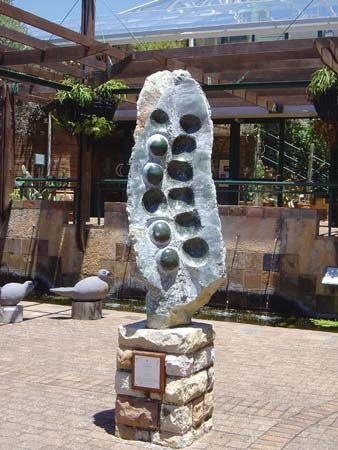
Botanical Sex: 9 Alluring Adaptations
"Botanical Sex: 9 Alluring Adaptations" is an article from Britannica that explores the diverse and often complex strategies plants use to ensure sexual…
What is Botanical Sex: 9 Alluring Adaptations?
“Botanical Sex: 9 Alluring Adaptations” is an article from Britannica that explores the diverse and often complex strategies plants use to ensure sexual reproduction and the perpetuation of their species and the perpetuation of their species. While many plants rely on traditional pollination via insects or wind, others have evolved specialized mechanisms to facilitate the transfer of pollen to the ovule5.5
The article highlights nine fascinating adaptations:
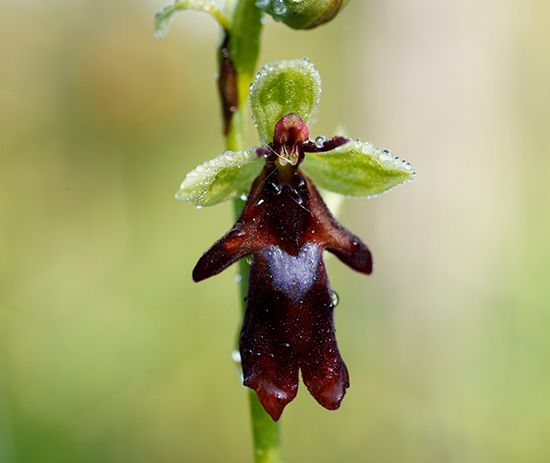
- Sexual deception: Plants like bee orchids mimic the appearance and scent of female insects to lure males into “pseudocopulation,” inadvertently transferring pollen.1
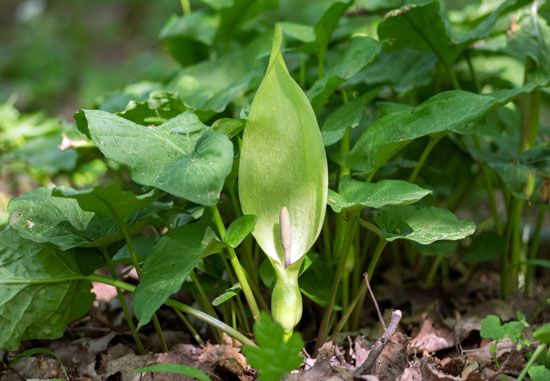
- Catch and release: Cuckoopint plants trap insects temporarily to ensure they are coated in pollen before escaping.1
- Stinking corpses: Carrion flowers produce foul odors and mimic rotting flesh to attract flies and beetles.1
- Wind pollination: Many trees and grasses rely on the wind, producing vast quantities of pollen.1
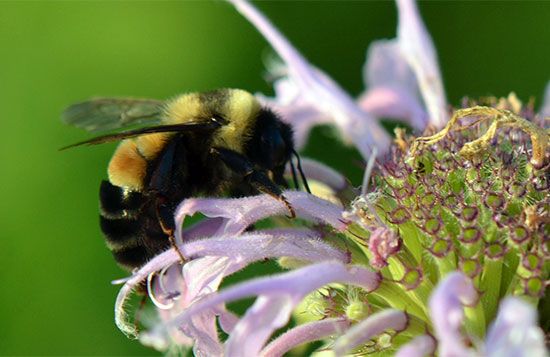
- Buzz pollination: Some plants, such as tomatoes, require specific vibration frequencies from bees to release pollen.1
- Mutualism: Yucca plants and yucca moths share a highly dependent, coevolved relationship.1
- Carnivorous plant strategies: These plants use specific structures to keep pollinators safe from their traps.1
- Puff pollination: Certain tropical plants use “bellows” mechanisms to blast pollen onto birds.1
- Self-pollination: Some plants, such as certain legumes, self-pollinate to survive in environments with few pollinators.1
How do different pollinators like bees and birds influence flower evolution?
The evolution of flowers is deeply intertwined with their pollinators, a process driven by coevolution where plants and animals adapt to one another’s physical and behavioral traits.67
Bee-Pollinated Flowers
Bees are the most significant animal pollinators, and their relationship with flowers has led to distinct evolutionary adaptations. Because bees rely on nectar and pollen for food, flowers have evolved to attract them with bright colors—typically blue or yellow—and patterns that serve as “nectar guides” to direct the insect to the reward. Structurally, these flowers often feature a bilaterally symmetrical corolla with a lower lip that acts as a landing platform. Some plants have evolved even more specialized mechanisms, such as buzz pollination, where anthers only release pollen when vibrated at specific frequencies by certain bees.6758
Bird-Pollinated Flowers
Birds, particularly hummingbirds, have influenced flower evolution in different ways. Since birds generally have a poor sense of smell, bird-pollinated flowers often lack fragrance but produce copious amounts of nectar to meet the high energy demands of avian pollinators. These flowers are frequently bright red, a color highly visible to birds. In some tropical species, flowers have evolved unique “puff pollination” mechanisms, where a bird’s beak triggers a bellows-like structure to blast pollen onto the bird.68
What is the difference between self-pollination and cross-pollination?
The primary difference between self-pollination and cross-pollination lies in the source of the pollen used to fertilize an egg cell.
- Self-pollination (autogamy): This occurs when an egg cell is fertilized by pollen from the same flower or another flower on the same plant. While this process is a “foolproof” reproductive strategy in stable environments or when pollinators are scarce, it results in offspring with little genetic variability, making it an evolutionary “cul-de-sac” if conditions change.101112
- Cross-pollination (heterogamy): This involves the transfer of pollen from the flowers or cones of one plant to those of a different individual. This method facilitates outbreeding, allowing offspring to combine hereditary traits from two parents. The resulting genetic diversity is a significant evolutionary advantage, as it increases the likelihood that some individuals will be able to adapt to changing environmental conditions.1011
In species capable of both, cross-pollination typically produces a higher quantity and better quality of seeds. Consequently, many plants have evolved structural, chemical, or temporal mechanisms—such as dichogamy or self-incompatibility—to limit self-pollination and encourage cross-pollination.1011
Why do some plants rely on wind instead of animals for reproduction?
Plants that rely on wind for reproduction, a process known as anemophily, often do so as a secondary evolutionary development. This strategy likely emerged when plants migrated away from tropical rainforests into more hostile environments where the effectiveness of scent as an insect attractant was diminished and the population of pollinating insects was insufficient.13
Wind pollination is a relatively imprecise and wasteful method, requiring plants to produce massive quantities of pollen to ensure that at least some grains reach a receptive stigma. Because this process is less efficient than animal-mediated pollination, wind-pollinated flowers have evolved to be inconspicuous, lacking rewards like nectar, fragrance, or showy petals13. Instead, these plants have developed structural adaptations to optimize pollen capture, such as long, lobed stigmas and stamens that release pollen easily into the breeze. To further facilitate this, many wind-pollinated species bloom before leaves emerge in spring or grow in dense populations to increase the probability of successful fertilization.1311
Sources
- Do Plants Have Sexes? — Encyclopædia Britannica
- pollination — Encyclopædia Britannica
- plant reproductive system - The cellular basis — Encyclopædia Britannica
- angiosperm - General features — Encyclopædia Britannica
- Botanical Sex: 9 Alluring Adaptations — Encyclopædia Britannica
- pollination - Evolution of insect pollination — Encyclopædia Britannica
- angiosperm - Pollination — Encyclopædia Britannica
- major types of pollinators - Bees — Encyclopædia Britannica
- evolution - Mechanical isolation — Encyclopædia Britannica
- pollination - Types: self-pollination and cross-pollination — Encyclopædia Britannica
- cross-pollination — Encyclopædia Britannica
- pollination - Mechanisms that permit self-pollination — Encyclopædia Britannica
- pollination - Wind — Encyclopædia Britannica
- major types of pollinators — Encyclopædia Britannica
Published on · 4 min read