Cook Islands
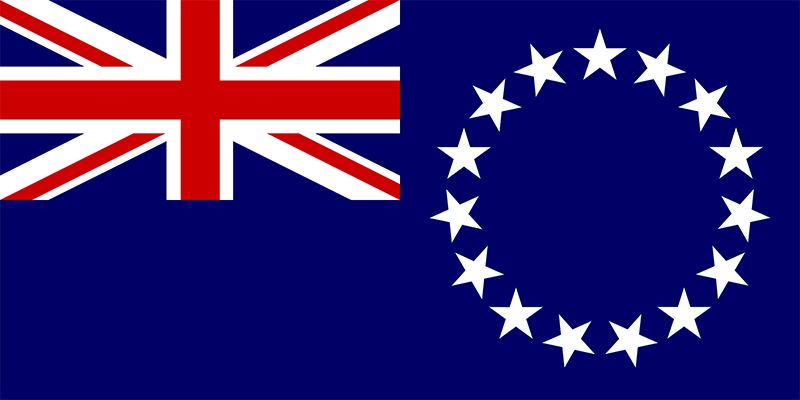
The Cook Islands are a self-governing island state located in the South Pacific Ocean, situated in free association with New Zealand.
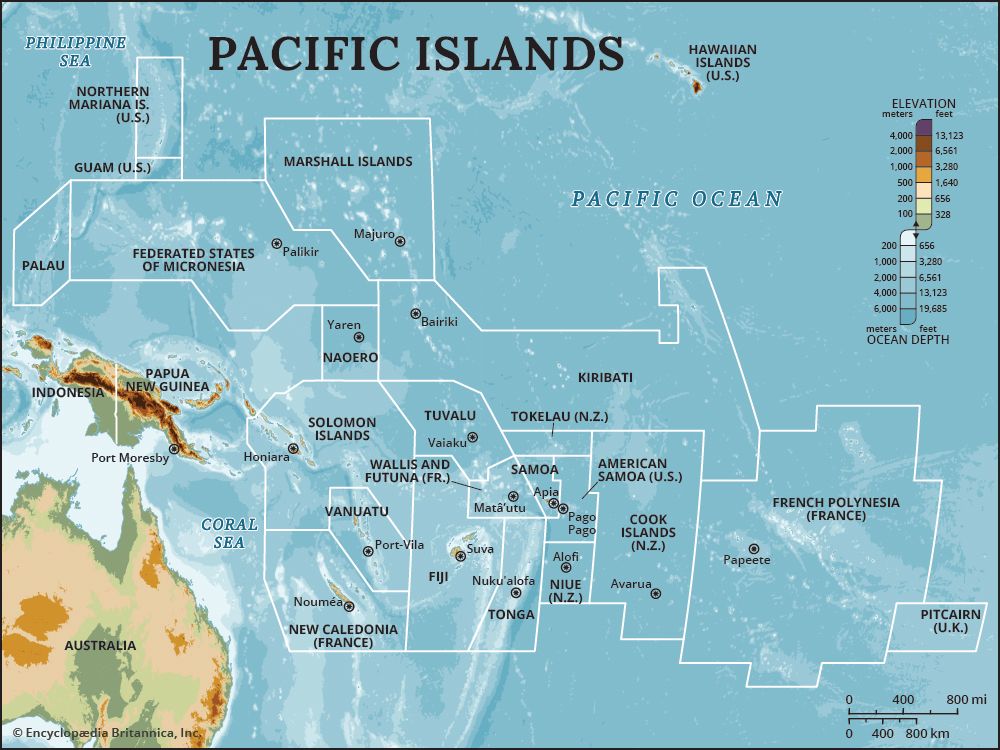
Where are the Cook Islands located, and how many islands make up this nation?
The Cook Islands are a self-governing island state located in the South Pacific Ocean, situated in free association with New Zealand.1
The nation is composed of 15 small atolls and islands. While their total land area is relatively small, these islands are dispersed across approximately 770,000 square miles (2,000,000 square km) of the ocean. The administrative center of the country is Avarua, which is located on the island of Rarotonga.12
How do the Cook Islanders maintain their traditional way of life in the modern world?
Cook Islanders maintain their traditional way of life while navigating the modern world through a blend of institutional recognition, cultural preservation, and adaptation.
Governance and Tradition
The political structure of the Cook Islands formally integrates traditional leadership into the modern state. While the country operates under a parliamentary system, it maintains the House of Ariki (House of High Chiefs). This council of hereditary leaders serves as an advisory body to the government, specifically providing guidance on matters of custom, landownership, and traditional practices, ensuring that ancestral values remain part of the national decision-making process.4
Language and Heritage
Cultural identity is strongly anchored in language. Cook Islands Maori is an official language alongside English, serving as a vital link to the past. Furthermore, the islands are home to a rich history of Polynesian craftsmanship. While traditional housing made of thatch and timber has largely been replaced by modern materials like cement and iron, the legacy of Oceanic art persists through the preservation of historical sculptural styles and religious effigies that reflect the islands’ unique heritage.563
Modern Adaptation
The transition to a modern economy, driven by tourism and international trade, has necessitated changes in daily life. While many islanders have adopted contemporary lifestyles, the social fabric remains deeply rooted in Polynesian ancestry. The balance between these modern economic realities and traditional customs continues to define the contemporary Cook Islander experience.785
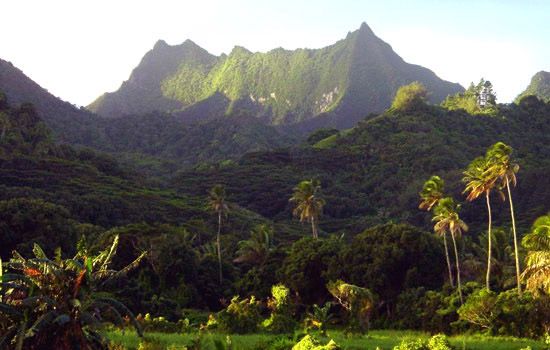
What is the cultural heritage of the Cook Islands, including language and traditions?
The cultural heritage of the Cook Islands is rooted in its Polynesian ancestry, characterized by a blend of indigenous traditions and influences from its history of European contact and Christian missionary activity.
Language
The islands are home to two primary indigenous Polynesian languages. The people of Pukapuka speak a language distinct from the rest of the nation. For all other islands, the primary language is Cook Islands Maori, which serves as an official language alongside English.4
Traditions and Cultural Life
- Governance and Custom: The government actively supports cultural preservation, including the sponsorship of song and dance festivals. Traditional leadership remains integrated into the modern state through the House of Ariki, a council of hereditary chiefs that advises the government on matters of custom and landownership.512
- Ceremonies and Festivals: Despite the integration of Western influences, traditional ceremonies—such as those celebrating a family’s firstborn son—remain vibrant. Major celebrations include Constitution Day and the Tiare (Gardenia) Festival, which features parades and competitions.5
- Cuisine and Religion: The islands’ cuisine reflects a diverse heritage, incorporating traditions from Europe, China, Fiji, and Tahiti. Christian traditions, established by the London Missionary Society in the 19th century, continue to play a significant role in daily life.65
What is the political status of the Cook Islands, and what is their relationship with New Zealand?
The Cook Islands is a self-governing state in free association with New Zealand. This constitutional arrangement, established in 1965, grants the islands significant autonomy while maintaining a unique partnership with New Zealand.115
Political Status
The Cook Islands operates under a parliamentary system with a constitution that has been amended several times since its adoption in 1965. Executive power is held by a cabinet led by a prime minister, and the islands maintain a unicameral Parliament elected every four years. Additionally, the House of Ariki (a council of hereditary chiefs) advises the government on traditional customs and landownership.1
Relationship with New Zealand
While New Zealand is nominally responsible for the defense and external affairs of the Cook Islands, the islands function as an independent political entity in practice. The Cook Islands has independently established its own diplomatic relations, entered into international treaties, and joined organizations such as the Pacific Islands Forum, UNESCO, and the Asian Development Bank. New Zealand maintains a presence in the islands through an appointed high commissioner.15
Sources
- Cook Islands — Encyclopædia Britannica
- Cook Islands — Merriam-Webster
- Rarotonga — Encyclopædia Britannica
- Cook Islands - Ethnic groups and languages — Encyclopædia Britannica
- Cook Islands - History of the Cook Islands — Encyclopædia Britannica
- Māori language — Encyclopædia Britannica
- Micronesia - Cultural life — Encyclopædia Britannica
- Oceanic art and architecture - The Cook Islands — Encyclopædia Britannica
- Cook Islands - Settlement patterns — Encyclopædia Britannica
- Polynesian culture - Stratification — Encyclopædia Britannica
- Cook Islands - Constitutional framework — Encyclopædia Britannica
- Cook Islands - Cultural life — Encyclopædia Britannica
- Polynesian culture - Art — Encyclopædia Britannica
- Cook Islands - Demographic trends — Encyclopædia Britannica
Published on · 4 min read