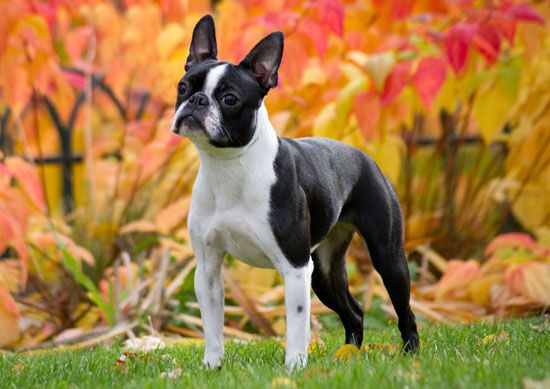
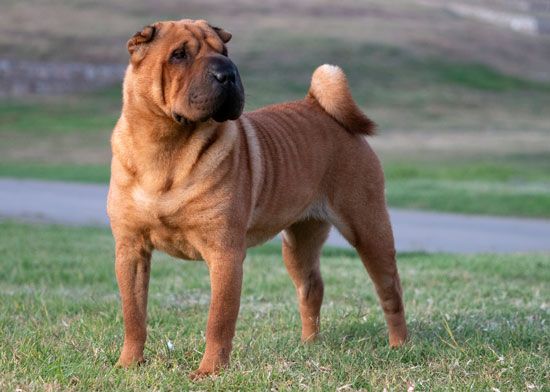
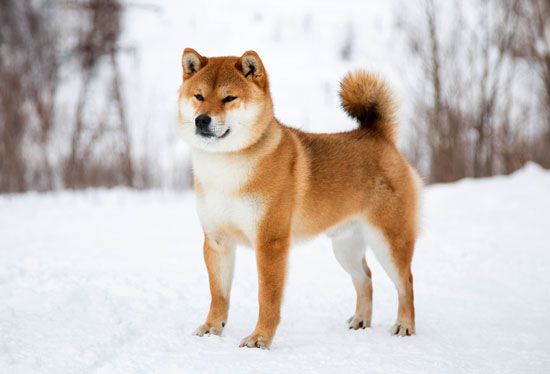
French Bulldog
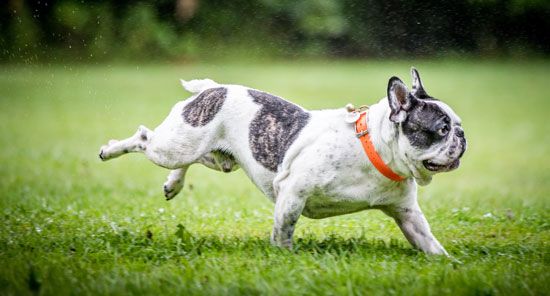
The French Bulldog, or "Frenchie," requires specific care due to its unique brachycephalic (short-nosed) anatomy.
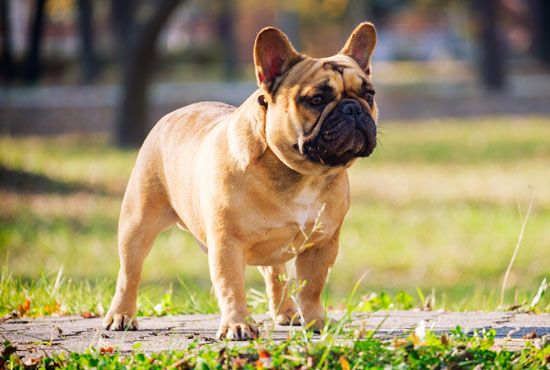
What special care requirements do French Bulldogs have in terms of exercise, grooming, and climate sensitivity?
The French Bulldog, or “Frenchie,” requires specific care due to its unique brachycephalic (short-nosed) anatomy.1
Exercise and Climate Sensitivity
Because their anatomy limits airflow and makes panting less effective, French Bulldogs are highly sensitive to heat. They are not well-suited for hot or humid climates and must be kept in moderate temperatures to avoid overheating. Exercise needs are modest and can be met with daily leash walks or play in a small yard or apartment. Owners should be aware that most Frenchies cannot swim and must be kept away from pools or deep water to prevent drowning.1
Grooming and Maintenance
- Coat Care: The breed requires weekly brushing and occasional bathing.1
- Facial Care: To prevent infection, the wrinkles on the face must be cleaned and dried daily.1
Due to their respiratory structure, Frenchies are prone to brachycephalic obstructive airway syndrome and should be monitored by a veterinarian for breathing difficulties.1

How has the popularity of French Bulldogs changed over time, especially in recent years?
The French Bulldog has seen a significant rise in popularity, becoming one of the most favored breeds in the United States. While the provided search results confirm that the breed’s joyful, affectionate, and “clownish” disposition has contributed to its widespread appeal, they do not contain specific statistical data or a timeline detailing the exact trajectory of this popularity growth in recent years.1
The breed, which originated in France during the late 1800s, is highly valued as a companion and watchdog, particularly for those living in smaller spaces like apartments. Its suitability for the elderly and its generally gentle nature with children have further solidified its status as a popular household pet.1
What are some common health issues associated with French Bulldogs?
French Bulldogs are prone to several health issues primarily linked to their brachycephalic (short-nosed) anatomy. Because this structure limits airflow, the breed is highly susceptible to brachycephalic obstructive airway syndrome (BOAS), which can cause serious respiratory distress.1
Common health concerns include:
- Respiratory Issues: Frenchies often snore, wheeze, and may suffer from an elongated soft palate or stenotic nares (narrowed nostrils). These conditions may require corrective surgery, though owners must exercise caution as the breed is sensitive to anesthesia.1
- Overheating: Due to inefficient panting, they are at high risk for heatstroke and must be kept in moderate temperatures.1
- Orthopedic Conditions: The breed is subject to hip dysplasia.1
- Reproductive Needs: Caesarean sections are almost always required for safe births.1
- Skin Infections: The facial wrinkles require daily cleaning and drying to prevent infections.1
How do French Bulldogs compare to other popular small dog breeds?
When comparing the French Bulldog to other popular small breeds, such as the Boston Terrier or the Bulldog, several key differences in temperament, physical needs, and history emerge.
Comparison Overview
Feature
French Bulldog
Boston Terrier
Bulldog (English)
Weight
< 28 lbs
12–25 lbs
40–50 lbs
Life Span
10–12 years
11–13 years
8–10 years
Temperament
Playful, clownish, stubborn
Lively, affectionate, brash
Jovial, gentle, stubborn
Activity Level
Moderate; enjoys play
High; enjoys dog sports
Low; brief bursts of activity
Key Distinctions
- Temperament: While all three breeds are affectionate, the Frenchie is often described as “clownish” and fairly energetic, whereas the Boston Terrier is noted for being more “brash” and “mischievous.” The English Bulldog is generally more laid-back and less likely to engage in sustained play compared to the other two.123
- Physical Needs: All three are brachycephalic breeds, meaning they share similar risks regarding overheating and respiratory issues. However, the Frenchie and English Bulldog are particularly noted for their inability to swim, requiring extra caution around water.13
- Training: French Bulldogs and English Bulldogs are known for their stubbornness, which can make training a test of patience. In contrast, the Boston Terrier is often considered a quicker learner, though it can also exhibit stubborn traits.123
Sources
- French Bulldog — Encyclopædia Britannica
- Boston Terrier — Encyclopædia Britannica
- Bulldog — Encyclopædia Britannica
- What’s the Most Popular Dog Breed in the U.S.? — Encyclopædia Britannica
Published on · 3 min read