Sealyham Terrier
The Sealyham terrier is a sturdy, short-legged breed of dog developed in Wales during the latter half of the 19th century by Captain John Edwardes.…
What is Sealyham terrier?
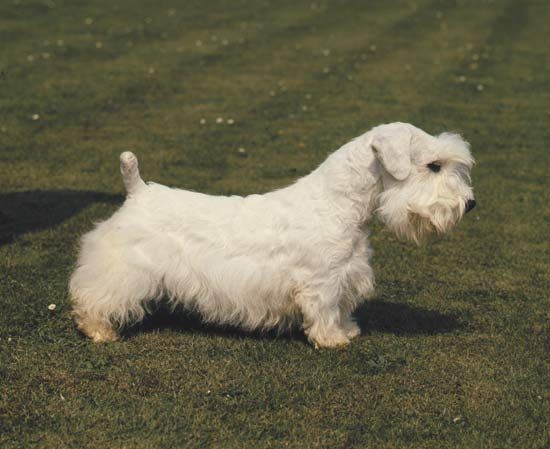
The Sealyham terrier is a sturdy, short-legged breed of dog developed in Wales during the latter half of the 19th century by Captain John Edwardes. Originally bred for hunting foxes, otters, and badgers on his estate, the breed is noted for its courage, stamina, and hunting ability.1
Physically, the Sealyham stands about 10 inches (25 cm) tall. Males typically weigh between 23 and 25 pounds (10 to 11 kg), while females weigh slightly less. They possess a double coat that is soft underneath and wiry on top, which may be solid white or white with darker markings on the head and drooping ears.1
As members of the terrier group, they share a common history of being bred to work underground, which influenced their compact, low-to-the-ground stature.2
What specific traits define the terrier group of dogs?
The terrier group is a diverse collection of breeds, primarily originating in the United Kingdom, that share a common ancestry and distinct behavioral traits rooted in their history as working dogs.32
Defining Characteristics
- Temperament: Terriers are known for being spirited, tenacious, and fearless. Because they were historically bred to not only find and chase prey but also to confront and kill vermin, they possess a more pugnacious nature than their size might suggest. They are generally active, vocal, and have a strong inclination to chase.32
- Physical Build: While sizes vary significantly—from the small Yorkshire Terrier to the large Airedale Terrier—most share a lean build with long heads, strong, square jaws, and deep-set eyes.32
- Adaptations for Work: Breeds developed for underground work typically feature shorter legs and a compact body to fit into burrows. Many possess a tough, wiry coat that provides protection and requires specific grooming, such as hand-stripping, to maintain its texture.32
How do terriers differ from other types of hunting dogs like hounds?
Terriers and hounds are both categories of hunting dogs, but they differ significantly in their historical roles, working methods, and temperaments.
Functional Differences
- Role in the Hunt: The primary distinction lies in the dog’s objective. Hounds were bred and trained to track game by scent or sight over distances, often working in packs or alone to locate or chase quarry. In contrast, terriers were developed to find, confront, and frequently make the actual kill, particularly when dealing with burrowing vermin or animals in stables and barns.245
- Working Environment: Terriers were specifically engineered to work underground, which influenced their compact, short-legged builds and tenacious, fearless nature. Hounds, by comparison, are generally categorized by their tracking style—scent hounds follow trails on the ground or in the air, while sight hounds rely on speed and vision to pursue game across open terrain.452
Temperament and Behavior
- Disposition: Terriers are known for being spirited, vocal, and feisty, with a strong inclination to chase and confront prey. Because they were bred to engage with animals that fought back, they often exhibit a more pugnacious temperament.45
- Independence: Hounds tend to be more aloof and independent, often scouting territory on their own to follow a scent or movement, and they are generally less focused on human interaction compared to other sporting breeds.3
Why were many terrier breeds developed in specific regions of the British Isles?
Many terrier breeds were developed in specific regions of the British Isles because they were shaped by local breeders to perform essential tasks within those particular environments. These dogs were primarily bred to be useful around farms, barns, and stables by controlling vermin and digging out burrowing rodents2.2
The naming of these breeds often reflects the specific locale where they first took shape under the guidance of dedicated local breeders. For example:32
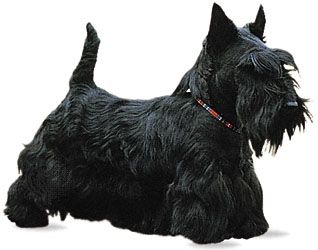
- Scotland: Breeds like the Cairn Terrier, Scottish Terrier, and Skye Terrier were developed in the rugged Scottish landscape to serve as working dogs and vermin controllers.36
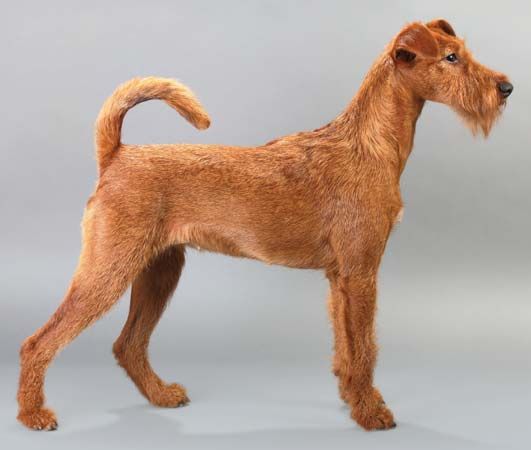
- Ireland: The Irish Terrier and Soft-Coated Wheaten Terrier were established to assist with hunting and farm work.37
- Wales: The Sealyham Terrier was bred for specific traits of courage and stamina within its regional context.3
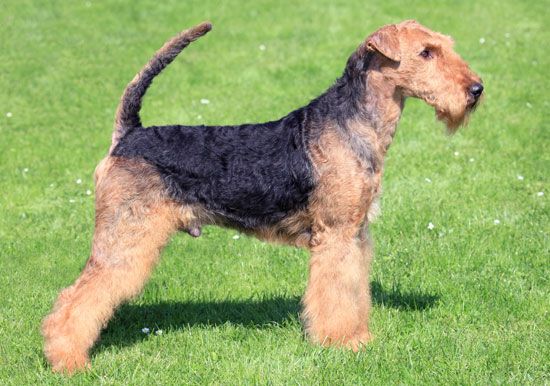
- England: Many breeds, such as the Airedale Terrier and Border Terrier, originated here to assist with tasks ranging from general stable work to foxhunting.32
Because these dogs were engineered to fit into local burrows or perform specific regional duties, their physical characteristics—such as leg length and coat type—were directly influenced by the functional requirements of their home regions.32
Sources
- Sealyham terrier — Encyclopædia Britannica
- dog - Terriers — Encyclopædia Britannica
- terrier — Encyclopædia Britannica
- dog - Breed-specific behaviour — Encyclopædia Britannica
- hound — Encyclopædia Britannica
- Irish terrier — Encyclopædia Britannica
- Skye terrier — Encyclopædia Britannica
Published on · 3 min read