Kastellórizo
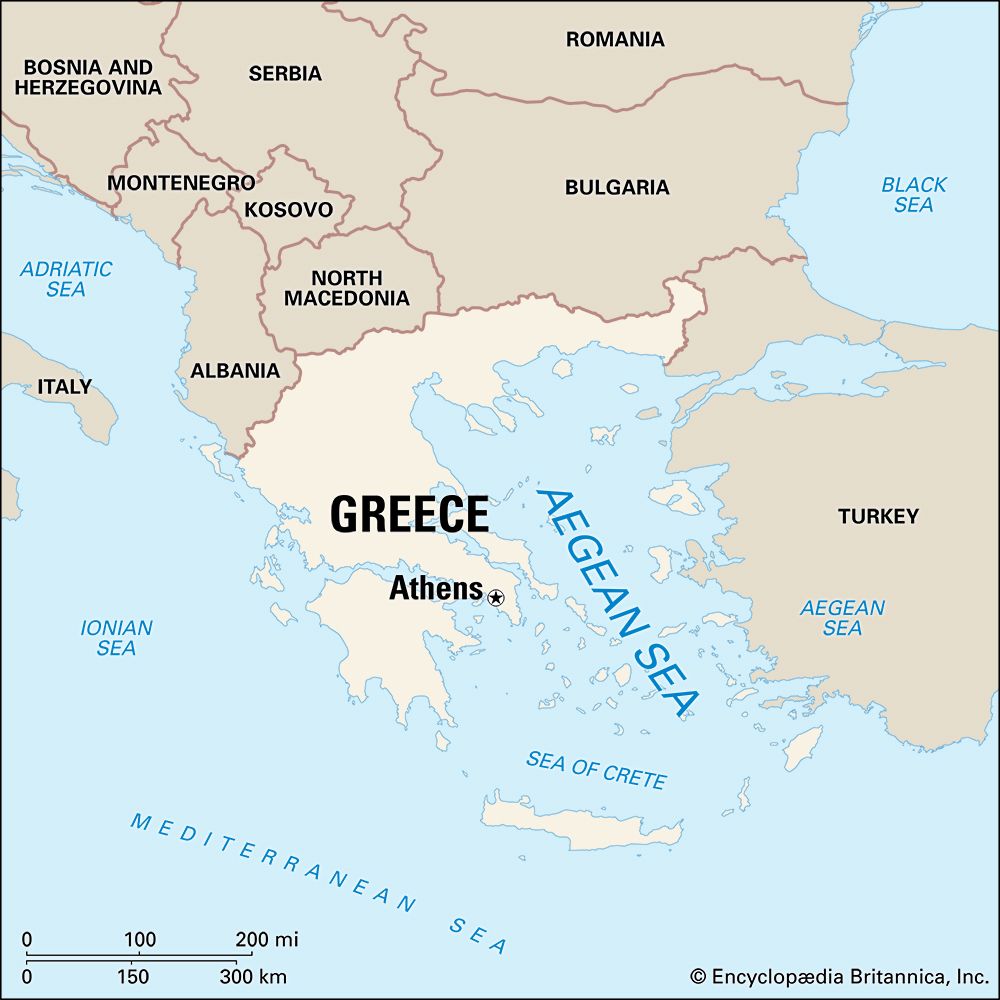
Kastellórizo, the easternmost island of the Dodecanese group, holds historical significance as a strategic outpost that has been contested by various powers…
What is the historical significance of Kastellórizo in Greek history?
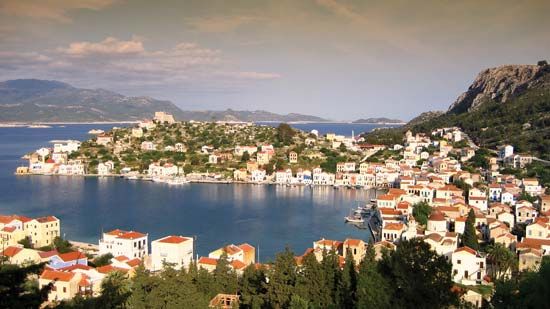
Kastellórizo, the easternmost island of the Dodecanese group, holds historical significance as a strategic outpost that has been contested by various powers for centuries. Its name, a corruption of the medieval Château-Roux (“Red Castle”), reflects its history under the Knights of Rhodes, who were among its many occupiers, including the sultan of Egypt and the king of Naples.1
Following a long period of Ottoman rule beginning in 1512, the island’s status became a focal point of international diplomacy during the early 20th century. Unlike the other Dodecanese islands, Kastellórizo remained under Turkish control during the Italo-Turkish War of 1912. During World War I, it was captured by the French and subsequently transferred to Italy under the Treaty of Sèvres and the Treaty of Lausanne. Since 1947, the island has been part of Greece, sharing the modern political history of the Dodecanese.21
How did Kastellórizo fare during World War II and the subsequent years?
During World War II, Kastellórizo shared the complex political and military fate of the Dodecanese island group, which had been under Italian sovereignty since the Treaty of Lausanne in 1923.
Following the conclusion of the war, the islands were placed under temporary British occupation, which included Greek participation. The transition of the region toward its modern status was finalized in 1946, when the conference of foreign ministers in Paris reached an agreement for the islands to be transferred to Greece. This process was formally completed in 1947, when the Dodecanese were officially ceded to the Greek state.1
What is the population of Kastellórizo, and how has it changed over time?
Sorry, the Britannica knowledge base does not contain information regarding the specific population figures of Kastellórizo or its demographic changes over time.
How has Kastellórizo’s strategic location affected its development and importance?
Kastellórizo’s strategic location at the edge of the Aegean Sea, where it meets the Levantine Sea, has historically made it a focal point of geopolitical interest. Situated just off the southwestern coast of Turkey, the island’s position has rendered it a contested territory throughout its history.1
This strategic importance is reflected in its long history of occupation by various powers, including the Knights of Rhodes, the sultan of Egypt, and the king of Naples. The island was under Turkish occupation from 1512 until 1915, with only brief interruptions. Its unique status as the only island in the Dodecanese group not ceded to Turkey in 1918 further underscores its distinct political significance. Following its capture by the French during World War I, it was eventually transferred to Italy under the treaties of Sèvres and Lausanne in 1923, after which it shared the political trajectory of the rest of the Dodecanese.1
Sources
- Kastellórizo — Encyclopædia Britannica
- Dodecanese — Encyclopædia Britannica
- Kastellórizon — Merriam-Webster
Published on · 2 min read