Aegean Sea
The Aegean Sea is an arm of the Mediterranean Sea located between Greece and Asia Minor, functioning essentially as a large bay within the eastern…
What are the main differences between the Aegean Sea and the Mediterranean Sea in terms of their physical characteristics?
The Aegean Sea is an arm of the Mediterranean Sea located between Greece and Asia Minor, functioning essentially as a large bay within the eastern Mediterranean basin. While they share many characteristics, they differ in several physical aspects:12
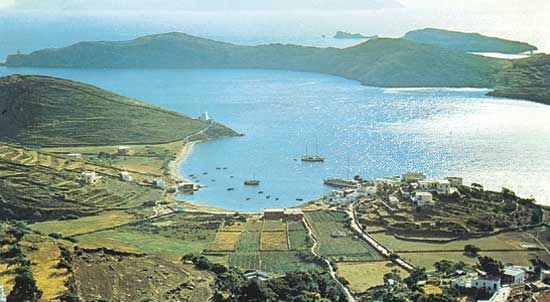
- Configuration and Islands: The Aegean is defined by an intricate, island-rich landscape. It contains numerous islands that are the mountain peaks of a submerged landmass, creating a highly developed shoreline with abundant bays and ports. In contrast, the Mediterranean as a whole is a vast, elongated, and largely landlocked depression stretching approximately 2,500 miles from the Atlantic to the coast of Turkey.13
- Depth: The Aegean reaches a maximum depth of 11,627 feet (3,544 metres) east of Crete. The Mediterranean basin varies significantly in depth, with its western and eastern basins separated by submarine ridges and connected to other seas via narrow straits like the Strait of Gibraltar.13
- Water Dynamics: Aegean water temperatures are influenced by cold-water inflows from the Black Sea, whereas the Mediterranean’s surface temperatures are generally higher in the eastern basin compared to the western.14
What are some of the unique marine species found in the Aegean and Mediterranean Seas?
The Mediterranean Sea and its arm, the Aegean Sea, host a rich diversity of marine life, with nearly one-third of the approximately 12,000 species in the Mediterranean being endemic. Despite the region’s generally low nutrient levels, these waters support a wide array of organisms.72
Notable Marine Species
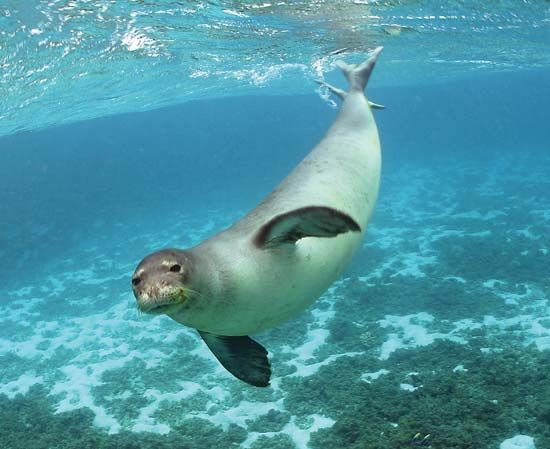
- Marine Mammals and Reptiles: The region is home to dolphins, whales, and sea turtles. Notably, the endangered Mediterranean monk seal inhabits these waters, though its population is threatened by human activity, including the use of long drift nets.7
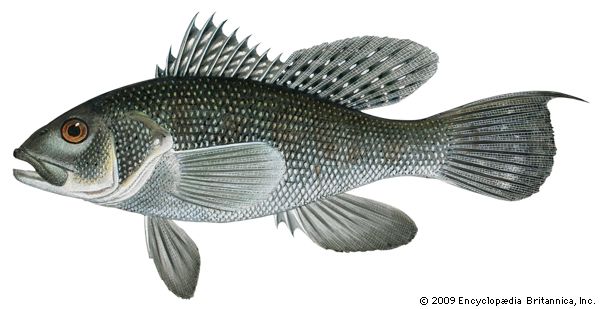
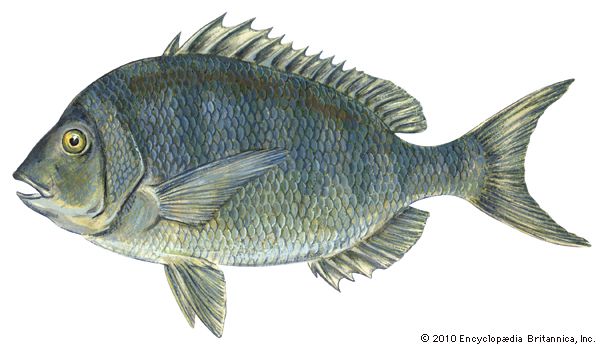
- Demersal (Bottom-dwelling) Fish: The Mediterranean features a variety of bottom-living species, including flounder, soles, turbot, whitings, congers, croakers, red mullet, gobies, gurnard, lizard fish, redfishes, sea bass, groupers, combers, and sea bream. Cartilaginous fish such as sharks, rays, and skates are also present.7
- Pelagic (Open-sea) Species: About half of the Mediterranean catch consists of pelagic species. These include sardines, anchovies, and the high-value bluefin tuna, which migrates into the Mediterranean from the Atlantic. Related species like bonitos and mackerels are also commercially significant.7
- Invertebrates: Rocky coastal areas historically supported harvests of crabs, shrimps, and prawns, though these have been depleted by overfishing and pollution. Additionally, the region is known for its corals and sponges, particularly in areas like the Dodecanese islands.7
The Aegean Sea specifically serves as a vital area for fish during their procreating maturity, with many species entering from the Black Sea.2
What is the geographical location and extent of the Aegean Sea?
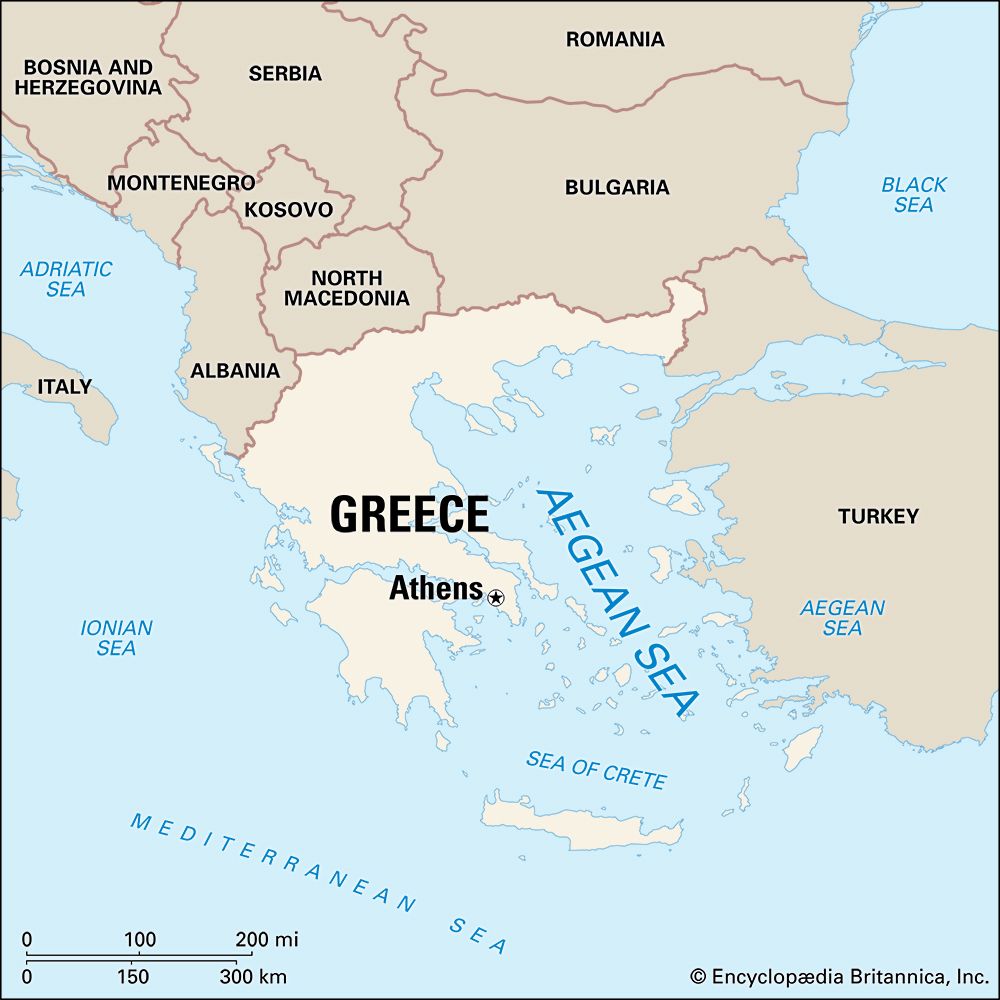
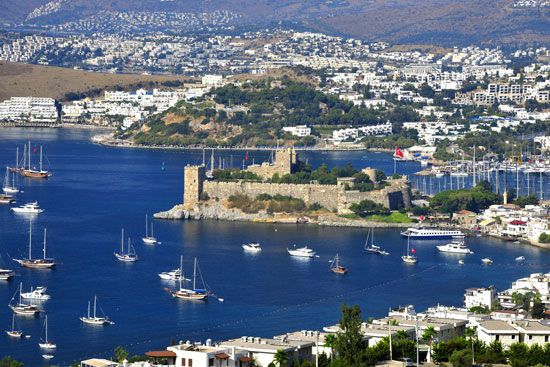
The Aegean Sea is an arm of the Mediterranean Sea situated between the Greek peninsula to the west and Asia Minor to the east. It functions as a large, island-rich bay within the eastern Mediterranean basin.110
Geographical Extent
- Dimensions: The sea spans approximately 380 miles (612 km) in length and 186 miles (299 km) in width, covering a total area of about 83,000 square miles (215,000 square km).1
- Boundaries: The island of Crete marks its southern boundary. To the northeast, the Aegean connects to the Black Sea via the Dardanelles, the Sea of Marmara, and the Bosporus), and the Bosporus.2
- Topography: The sea is characterized by an intricate configuration with numerous islands, which are the mountain peaks of a submerged landmass known as Aegeis. It features an abundant, highly developed shoreline with many bays and ports. Its maximum depth reaches 11,627 feet (3,544 metres) east of Crete.1
How do the Aegean and Mediterranean Seas impact the climate and economy of surrounding countries?
The Aegean and Mediterranean Seas have profoundly shaped the climate and economies of the surrounding nations throughout history.
Climate Influence
The Mediterranean basin is defined by a distinct Mediterranean climate, characterized by mild, wet winters and hot, dry summers. The seas act as a thermal regulator, though local topography and winds significantly modify these conditions. For instance, cold, dry winds like the mistral and bora funnel through mountain gaps, while hot, dry winds such as the sirocco blow from the Sahara. In the Aegean, the etesian winds (meltemi) provide relief from summer heat but also contribute to the region’s aridity.1213
Economic Impact
- Trade and Transportation: Historically, the seas served as vital “inland” highways for early civilizations. While their importance waned after the discovery of the Cape of Good Hope route, the opening of the Suez Canal in 1869 revitalized them as major global sea-lanes.5
- Tourism: The Mediterranean coastline is one of the world’s premier tourist destinations, generating significant annual income for coastal nations.5
- Resources and Industry: The growth of oil and gas industries, alongside agriculture and fishing, remains central to the economies of countries like Egypt, Turkey, and Greece. However, human activity, including industrialization and dam projects, has led to water pollution and altered hydrological patterns, prompting international cooperation through initiatives like the Mediterranean Action Plan.5214
Sources
- Mediterranean Sea — Encyclopædia Britannica
- Aegean Sea — Encyclopædia Britannica
- Mediterranean Sea - Temperature and water chemistry — Encyclopædia Britannica
- Aegean Sea — Merriam-Webster
- density current - Mediterranean overflow current — Encyclopædia Britannica
- Adriatic Sea — Encyclopædia Britannica
- Mediterranean Sea - Biological resources — Encyclopædia Britannica
- Mediterranean Sea - Study and exploration — Encyclopædia Britannica
- Black Sea - Marine life — Encyclopædia Britannica
- Aegean Islands — Encyclopædia Britannica
- Greece - Land — Encyclopædia Britannica
- Mediterranean Sea - Transportation and tourism — Encyclopædia Britannica
- Mediterranean Sea - Climate — Encyclopædia Britannica
- Greece - Climate of Greece — Encyclopædia Britannica
- Aegean civilizations - Trade — Encyclopædia Britannica
- Greece - History — Encyclopædia Britannica
- Mediterranean Sea - Impact of human activity — Encyclopædia Britannica
Published on · 4 min read