Welsh Corgi
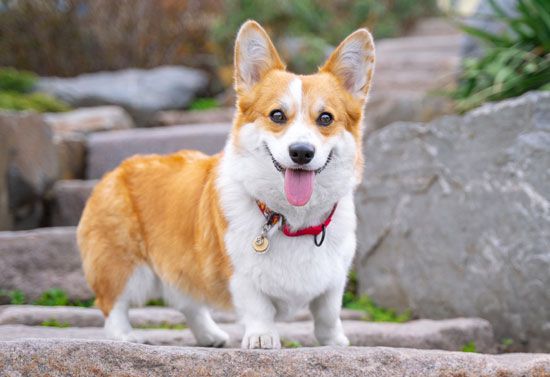
The Welsh Corgi refers to two distinct breeds, the Cardigan Welsh Corgi and the Pembroke Welsh Corgi, both developed in Wales as herding dogs. The name is…
What is the history and origin of Welsh Corgis?
The Welsh Corgi refers to two distinct breeds, the Cardigan Welsh Corgi and the Pembroke Welsh Corgi, both developed in Wales as herding dogs. The name is derived from the Welsh words cor (“dwarf”) and ci (“dog”).12
Though similar in appearance, they have different origins:
- Cardigan Welsh Corgi: Traced back to dogs brought to Cardiganshire by the Celts around 1200 BCE. They may be related to the ancestors of the Dachshund.12
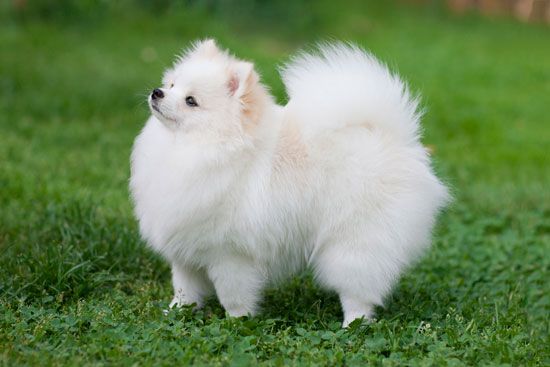
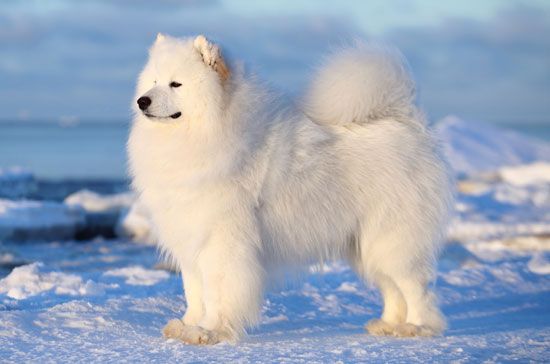
- Pembroke Welsh Corgi: Descended from dogs brought to Pembrokeshire between the 10th and 12th centuries, likely by Vikings or Flemish weavers. Their ancestry is linked to spitz breeds such as the Pomeranian and Samoyed.12
The two breeds were considered one for show purposes until 1934. They gained significant 20th-century popularity through their association with the British royal family, particularly Queen Elizabeth II.1

How much exercise do Welsh Corgis need daily?
Welsh Corgis require one to two hours of daily exercise and play to maintain their health and well-being. Because they were developed as herding dogs, they possess high energy levels and a natural drive to stay active.1
It is important to ensure they receive this activity, as under-exercised Corgis are prone to obesity and depression. These dogs particularly enjoy activities that involve running and following quick directions, and they often excel in organized dog sports such as agility and obedience. Once they have been properly exercised, they are generally content to settle down and remain quiet.1
Why have Welsh Corgis become popular as pets, especially in relation to the British Royal Family?
Welsh Corgis have gained significant popularity as pets largely due to their long-standing association with the British royal family. Queen Elizabeth II owned Pembroke Welsh Corgis from her childhood, and throughout her lifetime, she owned more than 30 of them. This high-profile royal patronage brought the breed into the global spotlight, cementing their status as beloved companions.1
Beyond their royal connection, Corgis are popular because they are affectionate, amiable, and playful, making them excellent companions for people of all ages. Despite their small, short-legged stature, they are hardy, intelligent, and possess a “big-dog” bark, which makes them effective watchdogs. Their history as herding dogs means they are eager to please and highly trainable, though they retain a natural instinct to nip at heels when excited. While they are energetic and excel in dog sports like agility, they are also known for being content to settle down quietly after receiving their daily exercise.1
How were Welsh Corgis traditionally used as working dogs?
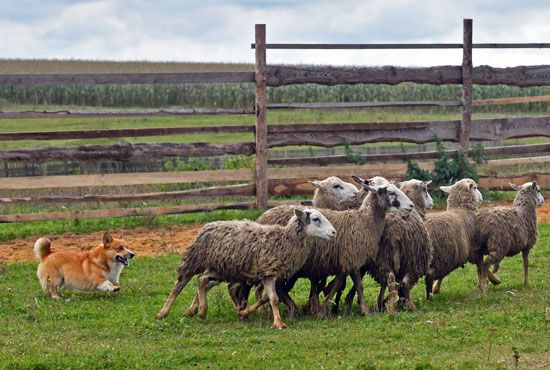
Welsh Corgis were traditionally developed in Wales to serve as herding dogs, specifically tasked with moving livestock. As members of the herding group, they were bred to work closely with humans, demonstrating the ability to think for themselves and act quickly on commands from a distance.14
Their working style involved several distinct behaviors:
- Movement Techniques: Corgis drive flocks by circling, barking, and nipping at the heels of the animals.14
- Communication: They possess amazing hearing abilities and are highly responsive to hand signals and whistle commands.14
- Vocalization: Their tendency to bark when excited is a functional trait, as this vocalization was historically used as a tool to move cattle.1
In addition to their primary role as livestock herders, their hardy nature and alertness made them effective farm guards and companions. Their intelligence and agility allowed them to manage tasks on various terrains, cementing their reputation as versatile working dogs.14
Sources
- Welsh Corgi — Encyclopædia Britannica
- 17 Words for Dog Breeds | Corgi — Merriam-Webster
- Welsh corgi — Merriam-Webster
- dog - Herding dogs — Encyclopædia Britannica
Published on · 3 min read