Pomeranian
Yes, the Pomeranian breed features a variety of coat colors. While there is only one breed standard for the Pomeranian, their long, thick coats can appear in…
Are there different varieties or color variations within the Pomeranian breed?
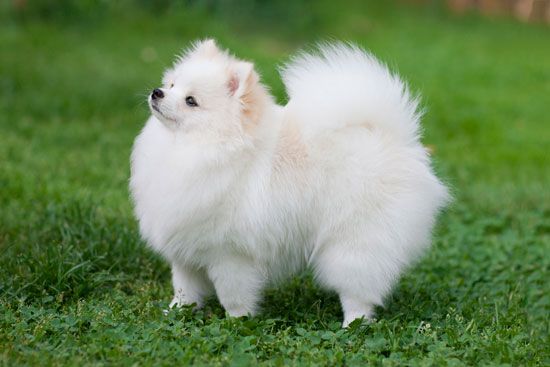
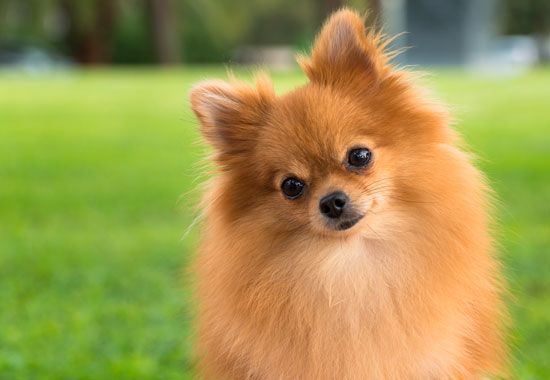
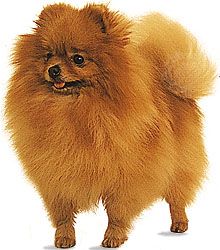
Yes, the Pomeranian breed features a variety of coat colors. While there is only one breed standard for the Pomeranian, their long, thick coats can appear in several colors, including white, black, brown, and reddish brown.1
The breed is characterized by its compact build and foxlike head, and it is recognized as a toy dog that originated from larger sled-dog ancestors. Although they come in these different color variations, they are all considered part of the same breed, which was refined to its current small size during the 19th century.1
Where did the Pomeranian breed originate, and how has it evolved over time?
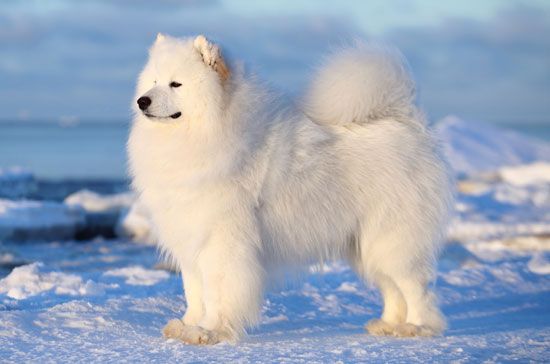
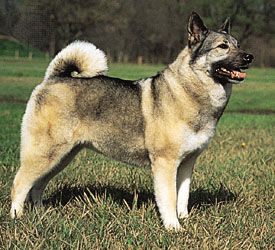
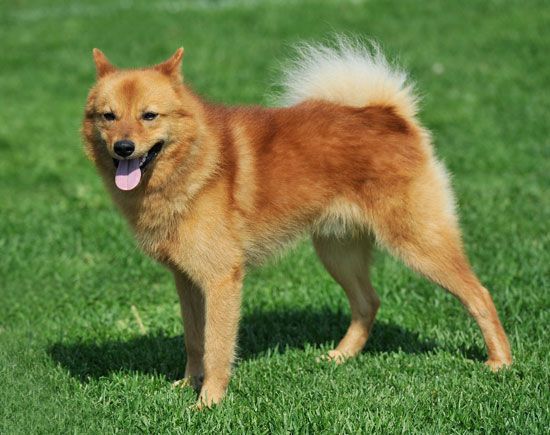
The Pomeranian breed originated in the duchy of Pomerania, tracing its ancestry back to larger sled-dog breeds from regions such as Iceland and Lapland, including the Keeshond, Samoyed, and Norwegian Elkhound.12
The evolution of the breed into the small toy dog known today occurred primarily during the 19th century. Originally, these dogs were much larger, reportedly weighing approximately 30 pounds (13.5–14 kg) and functioning as sheepdogs. The transition to their current size was significantly influenced by Queen Victoria, who bred Pomeranians to be much smaller than their ancestors. Her efforts popularized the smaller variety, which eventually established the modern breed standard of 3 to 7 pounds (1–3 kg).1
What are some interesting facts about Pomeranians that most people might not know?
While many people know the Pomeranian as a small, energetic companion, there are several fascinating details about the breed that are less commonly known:
- Historical Artistic Connections: It is said that Michelangelo kept a Pomeranian by his side while he painted the ceiling of the Sistine Chapel. Additionally, historical figures such as Wolfgang Amadeus Mozart and Theodore Roosevelt are credited with owning these dogs.1
- Unexpected Ancestry: Despite their current status as a toy dog, they descend from large sled-dog ancestors and were once used as 30-pound sheepdogs before being bred down in size.1
- Unique Health Quirks: The breed is susceptible to a condition called alopecia X, or black skin disease, which can cause hair loss and skin discoloration. Furthermore, clipping a Pomeranian’s coat can sometimes permanently disrupt their natural hair growth cycle.1
- Playful Personality: While they are often viewed as lapdogs, they are actually more playful than affectionate and are not naturally inclined to sit still for long periods.1
What famous historical figures or celebrities have owned Pomeranian dogs?
Throughout history, several notable figures have been associated with owning or keeping Pomeranians. According to historical accounts, these include:
- Queen Victoria: She played a pivotal role in the breed’s evolution by intentionally breeding them to be significantly smaller than their original 30-pound size, which helped establish the modern breed standard.1
- Wolfgang Amadeus Mozart: The famous composer is credited with owning a Pomeranian.1
- Theodore Roosevelt: The 26th U.S. President is also noted as a historical owner of the breed.1
- Michelangelo: It is said that he kept a Pomeranian by his side while he painted the ceiling of the Sistine Chapel.1
Sources
- Pomeranian — Encyclopædia Britannica
- dog - Toys — Encyclopædia Britannica
Published on · 2 min read