Falling Stars: 10 of the Most Famous Endangered Species
The term "charismatic megafauna" refers to popular, well-known animals that conservationists use as "flagship species" to generate public interest and…
What is Falling Stars: 10 of the Most Famous Endangered Species?
The term “charismatic megafauna” refers to popular, well-known animals that conservationists use as “flagship species” to generate public interest and funding for environmental protection. While these animals are often endangered, their fame helps protect the broader ecosystems they share with less charismatic species.12
The following 10 animals are highlighted as some of the most famous endangered species:2
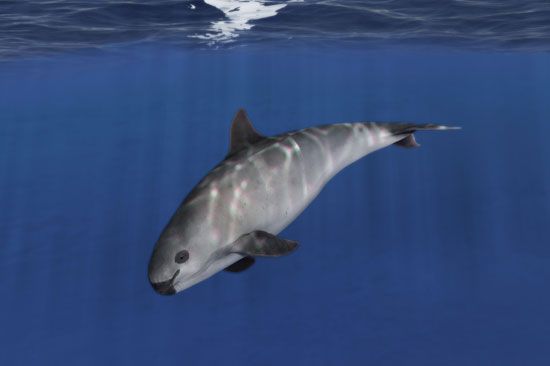
- Vaquita: The world’s rarest cetacean, with only 10–18 individuals estimated to remain in the Gulf of California.2
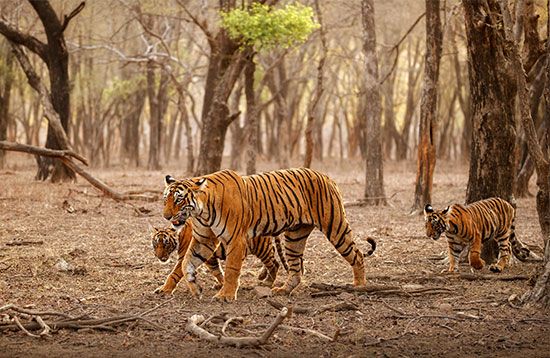
- Tiger: Threatened primarily by poaching and habitat loss, with an estimated 4,500 remaining in the wild.2
- Whooping Crane: Once decimated by hunting, this species has seen population growth due to captive rearing and reintroduction programs.2
- Blue Whale: The largest animal on Earth, still at risk from ship collisions and fishing net entanglement.2
- Asian Elephant: Faces significant threats from habitat encroachment and poaching for ivory.2
- Sea Otter: A keystone species that has recovered from near-extinction but remains vulnerable to oil spills.12
- Javan Rhinoceros: Critically endangered, with a population of no more than 75 individuals.2
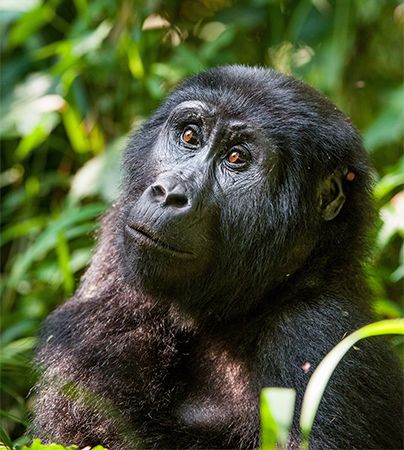
- Gorilla: All species are endangered due to poaching and habitat loss.2
- Tasmanian Devil: Populations have been severely reduced by a contagious cancer.2
- Orangutan: Threatened by logging and the exotic pet trade.2
What is the difference between a flagship species and a keystone species?
The distinction between a flagship species and a keystone species lies in their primary function within conservation and ecology:
- Flagship Species: These are popular, charismatic animals used by conservation groups as symbols to generate public interest, awareness, and funding. Their value is largely social and promotional; they act as “ambassadors” for their habitat. By protecting a flagship species, conservationists hope to protect the entire ecosystem and the less “attractive” species that share it.1
- Keystone Species: These are defined by their ecological role. A keystone species has a disproportionately large effect on its community relative to its abundance. They are vital to the health and structure of an ecosystem, often by controlling populations as apex predators or by providing critical resources, such as food, that other species rely on to survive.31
While these roles are distinct, some animals function as both. For example, the sea otter is a popular flagship species that also serves as a keystone species by preying on sea urchins, thereby maintaining the health of kelp forests.1
How do conservationists use captive breeding to help endangered animals?
Conservationists use captive breeding as a form of “protective custody” to prevent the extinction of species that are no longer viable in the wild. By housing endangered animals in zoos or specialized research facilities, scientists can manage populations, protect them from threats like disease or poaching, and facilitate successful reproduction.45
Key aspects of this process include:
- Genetic Management: Because captive populations are often small, they are screened genetically to minimize inbreeding and preserve as much genetic variability as possible.4
- Population Growth: Programs aim to increase numbers until the species can be safely reintroduced to the wild. Notable successes include the California condor, the nene (Hawaiian goose), and the European bison.45
- Reintroduction Challenges: Returning animals to the wild is complex. Captive-reared animals may lack essential survival skills taught by parents, such as foraging or nesting behaviors. Scientists often work to overcome these hurdles to ensure that released individuals can successfully rear their own young in natural habitats.4
We could dive deeper into the specific challenges of reintroducing captive-bred animals into the wild.
What are some of the biggest human-caused threats to wildlife habitats?
Human activities are the primary drivers of biodiversity loss, with roughly 99 percent of threatened species at risk due to our impact on the environment. The most significant threats to wildlife habitats include:6
- Habitat Loss and Degradation: This is the greatest factor in current extinction levels. It involves the conversion of forests, wetlands, and other natural areas into croplands, urban developments, and infrastructure. This process often leads to habitat fragmentation, where large ecosystems are broken into smaller, isolated patches, making it difficult for species to find food, mates, or move safely.789
- Pollution: Chemical pollution from industrial, agricultural, and urban sources degrades water and soil quality. Runoff from paved surfaces and agricultural operations can introduce harmful chemicals and excess nutrients into ecosystems, threatening aquatic life.6810
- Global Warming: Rising temperatures and shifting climate patterns force species to migrate to survive. Greenhouse gas emissions, driven by fossil fuel use and deforestation, are altering habitats worldwide and contributing to the loss of species.7698
- Invasive Species: The introduction of non-native species can negatively disrupt the balance of local ecosystems, often outcompeting or preying upon native wildlife.67
- Unsustainable Hunting and Poaching: The illegal taking of animals and plants for commercial profit or sport—such as the trade in ivory, rhino horn, or exotic pets—has severely depleted many populations, sometimes to the point of extinction.6711
Sources
- charismatic megafauna — Encyclopædia Britannica
- Falling Stars: 10 of the Most Famous Endangered Species — Encyclopædia Britannica
- keystone species — Encyclopædia Britannica
- conservation - Protective custody — Encyclopædia Britannica
- Zoo - Function and purpose — Encyclopædia Britannica
- endangered species - Human beings and endangered species — Encyclopædia Britannica
- Deforestation - Effects — Encyclopædia Britannica
- extinction — Encyclopædia Britannica
- poaching — Encyclopædia Britannica
- urban sprawl - Environmental costs — Encyclopædia Britannica
- Agricultural technology - Plant nutrients — Encyclopædia Britannica
- Agricultural technology - Pollutants damaging to agriculture — Encyclopædia Britannica
Published on · 4 min read