14 Questions About Aquatic Animals Answered
The article 14 Questions About Aquatic Animals Answered explores various biological and physiological traits of creatures living in water. While the full…
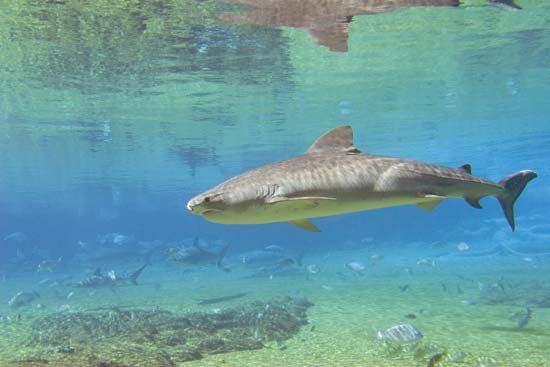
What are 14 Questions About Aquatic Animals Answered?
The article 14 Questions About Aquatic Animals Answered explores various biological and physiological traits of creatures living in water. While the full list of 14 questions is extensive, here are key insights regarding how these animals function:
- Respiration: Fish breathe using gills, which are filled with blood vessels that absorb oxygen from water. Because gills are not designed to extract oxygen from air, fish cannot breathe on dry land.12
- Osmoregulation: Marine fish often drink large quantities of seawater to counteract water loss caused by osmosis, while freshwater fish generally avoid drinking water because it is naturally absorbed into their bodies.3
- Marine Mammals: Unlike fish, marine mammals (such as whales, dolphins, and seals) breathe air with lungs, are warm-blooded, and bear live young.4
- Adaptations: Aquatic animals have evolved diverse features to survive, including antifreeze proteins in the blood of Notothenid fish and specialized organs like photophores for light generation in the deep sea.5
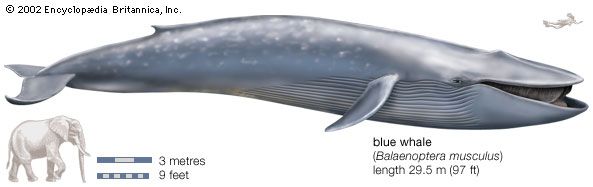
How do marine mammals like whales breathe without gills?
Marine mammals, such as whales and dolphins, do not possess gills because they are mammals that breathe atmospheric air using lungs. Unlike fish, which extract oxygen from water through gills, these animals must periodically surface to breathe.78910
When at the surface, they perform an explosive ventilation known as a blow, which allows them to exchange up to 80 percent of their lung volume in a single breath. Because breathing is not a reflex for them—unlike in terrestrial mammals—they must remain conscious enough to actively manage their respiration. To sleep without drowning, they utilize a process called unihemispheric slow-wave sleep, where one half of the brain remains active to regulate breathing and monitor for threats while the other half rests.78
During deep dives, they rely on oxygen stored in their blood and specialized reservoirs called the rete mirabile, which help supply oxygen to the heart and brain while isolating circulation to other muscles.11
What is bioluminescence and why do deep-sea animals use it?
Bioluminescence is a form of “cold light” generated through a chemical reaction within a living organism. This process occurs when a pigment called luciferin is oxidized in the presence of an enzyme known as luciferase. The resulting light is typically blue-green, a wavelength that transmits most effectively through seawater and is highly visible to many deep-sea species.1213
Deep-sea animals utilize this light for several critical survival functions:
- Predation: Predators like the anglerfish use glowing lures to attract unsuspecting prey toward their jaws.141513
- Defense: Many organisms use light to startle predators or secrete luminous clouds to confuse them, allowing for an escape.141513
- Camouflage: Some species use photophores on their undersides to match the intensity of sunlight filtering from above, effectively erasing their silhouette and hiding them from predators lurking below.1513
- Communication and Mating: Bioluminescence serves as a vital signal for species recognition and attracting potential mates.141513
How do fish maintain buoyancy in different water depths?
Most bony fish maintain their position in the water column using a hydrostatic organ called the swim bladder. Located in the body cavity, this organ acts as a ballast system, allowing fish to adjust their buoyancy to remain at specific depths without sinking or floating upward.1617
Fish control their depth by regulating the gas content within the bladder:
- Increasing Buoyancy: Special glands secrete gas—primarily oxygen—into the bladder, which increases the fish’s overall buoyancy and allows it to rise.17
- Decreasing Buoyancy: Gas is absorbed from the bladder into the bloodstream, reducing the volume of gas and allowing the fish to sink.17
While many species use gas, some deep-sea fish utilize oils instead to maintain buoyancy. Notably, this organ is absent in cartilaginous fish such as sharks, skates, and rays, as well as in many bottom-dwelling species, which have either reduced or completely lost the structure over time.1617
Sources
- 14 Questions About Aquatic Animals Answered - How do fish breathe underwater? — Encyclopædia Britannica
- Marine ecosystem - Physical and chemical properties of seawater — Encyclopædia Britannica
- How do gills work? — Encyclopædia Britannica
- What Is a Marine Mammal? — Encyclopædia Britannica
- Do fish drink water? — Encyclopædia Britannica
- 14 Questions About Aquatic Animals Answered — Encyclopædia Britannica
- cetacean - Breathing and diving — Encyclopædia Britannica
- cetacean - Circulation and thermoregulation — Encyclopædia Britannica
- cetacean - Respiration — Encyclopædia Britannica
- lungfish - Adaptations for breathing — Encyclopædia Britannica
- Do whales sleep? — Encyclopædia Britannica
- Bioluminescence: Top Questions — Encyclopædia Britannica
- Marine bioluminescence — Encyclopædia Britannica
- Bioluminescence - The role of bioluminescence in behavior — Encyclopædia Britannica
- Everything’s Illuminated: 6 Bioluminescent Organisms — Encyclopædia Britannica
- swim bladder — Encyclopædia Britannica
- fish - The respiratory system — Encyclopædia Britannica
Published on · 3 min read