5 Notorious Greenhouse Gases
Greenhouse gases are critical to Earth's climate, as they absorb and reradiate heat energy, maintaining the planet's temperature. Human activities…
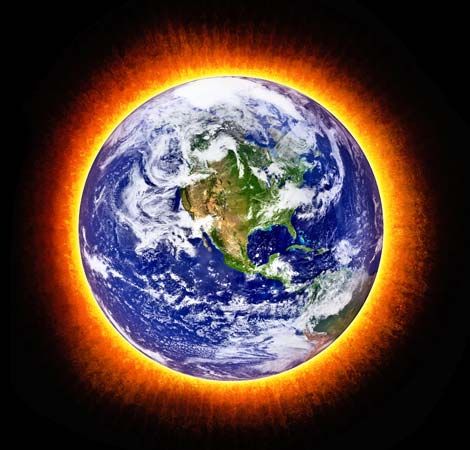
What are 5 Notorious Greenhouse Gases?
Greenhouse gases are critical to Earth’s climate, as they absorb and reradiate heat energy, maintaining the planet’s temperature. Human activities, particularly fossil-fuel combustion, have significantly increased their concentrations, driving global warming. Here are five of the most significant greenhouse gases:
- Water vapor: The most potent greenhouse gas in the atmosphere. Its concentration is primarily determined by air temperature rather than direct human activity; as the surface warms, evaporation increases, leading to more water vapor that traps heat.12
- Carbon dioxide (CO₂): The most prominent greenhouse gas. While natural sources and sinks (like plant life and oceans) historically balanced its levels, human activities—such as burning fossil fuels and cement production—have created an imbalance that drives climate change.13
- Methane (CH₄): A highly potent greenhouse gas with a shorter atmospheric residence time than CO₂. Human sources, including livestock farming, rice cultivation, and fossil-fuel extraction, account for approximately 70 percent of annual emissions.14
- Surface-level ozone (O₃): Distinguished from stratospheric ozone, this gas is a byproduct of air pollution, specifically photochemical reactions involving carbon monoxide.1
- Nitrous oxide (N₂O) and fluorinated gases: These trace gases are largely products of industrial activity. Fluorinated gases (including hydrofluorocarbons and sulfur hexafluoride) owe their existence almost entirely to human industry.15
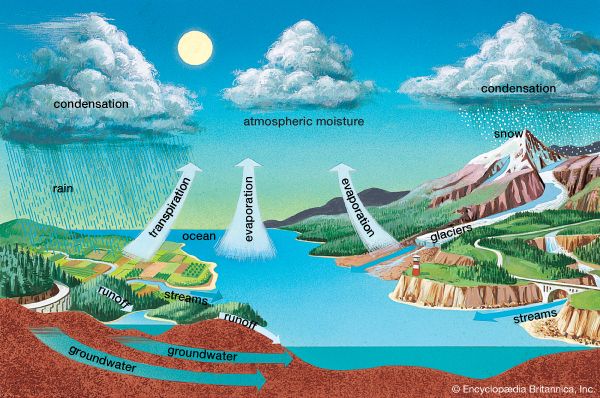
What are natural carbon sinks and how do they help the environment?
Natural carbon sinks are reservoirs that absorb and store carbon-containing substances, primarily carbon dioxide, preventing them from accumulating in the atmosphere and contributing to global warming7. These sinks play a vital role in regulating Earth’s climate by balancing the carbon cycle.78
The primary natural carbon sinks include:
- Oceans: As the world’s largest carbon sink, the ocean holds significantly more carbon dioxide than the atmosphere. Through photosynthesis, phytoplankton fix carbon, and when they die, they sink to the deep ocean, effectively sequestering carbon for hundreds of years.9710
- Forests and Vegetation: Plants pull carbon dioxide from the air to build biomass. Forests act as critical terrestrial sinks, storing carbon in both aboveground vegetation and soil terrestrial sinks, storing carbon in both aboveground vegetation and soil.9
- Soils: Soils serve as massive repositories for carbon, particularly in the form of humus derived from decaying plant matter. Peatlands are especially effective, as waterlogged conditions prevent full decomposition, locking away vast amounts of carbon.89
These sinks help the environment by mitigating the greenhouse effect, though their capacity can be compromised by deforestation, land-use changes, and rising temperatures that accelerate decomposition.87
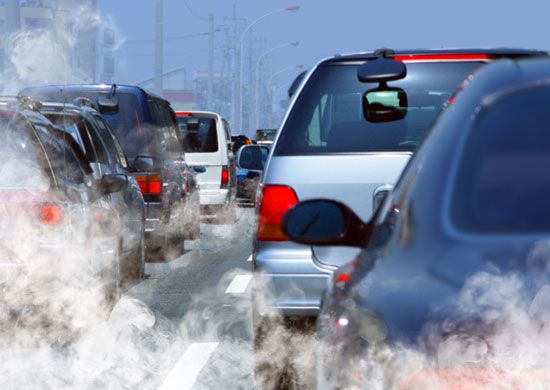
How does the greenhouse effect differ from the ozone layer depletion?
The greenhouse effect and ozone layer depletion are distinct environmental phenomena involving different atmospheric processes and consequences.
The Greenhouse Effect
The greenhouse effect refers to the warming of Earth’s atmosphere caused by the trapping of heat. Certain gases, such as carbon dioxide, methane, and water vapor, absorb infrared radiation emitted from the Earth’s surface and reradiate it back downward. This process is essential for maintaining the planet’s temperature, but human activities—primarily the combustion of fossil fuels—have increased the concentration of these gases, leading to global warming.11
Ozone Layer Depletion
Ozone depletion is the gradual thinning of the ozone layer in the stratosphere, caused by the release of industrial chemicals containing chlorine or bromine, such as CFCs. Unlike the greenhouse effect, which traps heat, the primary danger of ozone depletion is that it allows more harmful ultraviolet (UV) radiation to reach the Earth’s surface, increasing risks of skin cancer and immune system damage.121314
Key Differences
- Mechanism: The greenhouse effect involves the trapping of longwave heat radiation, whereas ozone depletion involves the loss of a protective shield that filters shortwave UV radiation.114
- Atmospheric Role: While stratospheric ozone is a greenhouse gas itself, its depletion actually creates a modest cooling effect that partially counteracts global warming.113
- Primary Drivers: Greenhouse warming is driven largely by carbon emissions, while ozone depletion is driven by specific halocarbons regulated by the Montreal Protocol.121311
What are some ways humans can reduce their greenhouse gas emissions?
Reducing greenhouse gas emissions is essential for mitigating global warming. Individuals can significantly lower their carbon footprint through changes in energy use, transportation, and consumption habits.1617
Energy and Transportation
- Renewable Energy: Transitioning to renewable energy sources, such as solar or wind power, for household electricity reduces reliance on fossil fuels.161817
- Efficiency: Improving home insulation and upgrading to energy-efficient household appliances helps conserve energy.1617
- Transportation: Opting for public transportation or utilizing electric and hybrid-electric vehicles significantly lowers emissions compared to traditional gas-powered vehicles.161817
Diet and Consumption
- Dietary Choices: Reducing meat consumption can lower an individual’s secondary carbon footprint, as livestock production is a major source of methane and other greenhouse gases.1917
- Sustainable Purchasing: Recycling and choosing products that require fewer emissions to manufacture and transport help minimize environmental impact.1617
These actions, combined with broader societal shifts toward sustainable development, are critical for achieving long-term climate goals.16
Sources
- 5 Notorious Greenhouse Gases — Encyclopædia Britannica
- methane — Encyclopædia Britannica
- Greenhouse gas - Water vapour — Encyclopædia Britannica
- Greenhouse gas - Nitrous oxides and fluorinated gases — Encyclopædia Britannica
- nitric oxide — Encyclopædia Britannica
- carbon dioxide — Encyclopædia Britannica
- carbon sink — Merriam-Webster
- soil - Soils and global warming — Encyclopædia Britannica
- Carbon sequestration — Encyclopædia Britannica
- decarbonization - Natural carbon removal — Encyclopædia Britannica
- Global warming - Stratospheric ozone depletion — Encyclopædia Britannica
- Ozone depletion — Encyclopædia Britannica
- the greenhouse effect — Merriam-Webster
- Ozone depletion - Ozone layer recovery — Encyclopædia Britannica
- Ozone layer — Encyclopædia Britannica
- Global warming policy - Mitigation and adaptation — Encyclopædia Britannica
- Sustainable agriculture — Encyclopædia Britannica
- decarbonization - Shift to renewables — Encyclopædia Britannica
- Vegetarianism - Pro 3: A vegetarian diet is better for the environment. — Encyclopædia Britannica
- Carbon footprint — Encyclopædia Britannica
Published on · 4 min read