8 Nonhuman Casualties of Hurricanes
Hurricanes cause significant devastation to coastal ecosystems, impacting various nonhuman species through high winds, storm surges, and rapid environmental…
What are 8 Nonhuman Casualties of Hurricanes?
Hurricanes cause significant devastation to coastal ecosystems, impacting various nonhuman species through high winds, storm surges, and rapid environmental changes. Here are eight nonhuman casualties of these powerful storms:
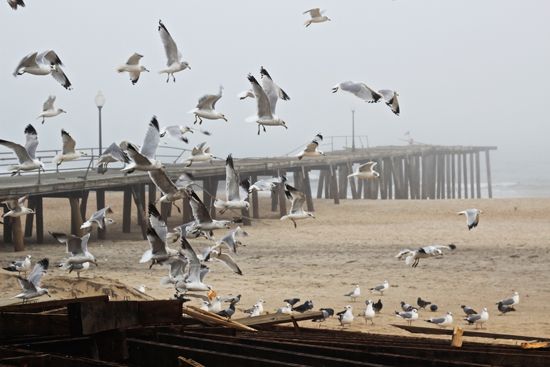
- Birds: Winds can blow birds off course, leaving them disoriented or separated from their flocks, which may lead to starvation or an inability to find suitable habitats.1
- Fish: Storms cause direct mortality through massive waves and indirect harm by altering water temperature and salinity, or by creating oxygen-depleting algae blooms.1
- Marine Mammals: Species like dolphins and manatees can be injured by waves or swept into unfamiliar waters, where they may become disoriented.1
- Sea Turtles: Beyond direct injury, storm surges often destroy nests, burying eggs or exposing them to lethal conditions.1
- Corals: As sedentary organisms, corals cannot escape wave action; they suffer mechanical damage and are often smothered by sediment and competing algae following a storm.1
- Shellfish: Stationary shellfish, such as oysters, can be washed ashore or killed by changes in water salinity and increased pollution.1
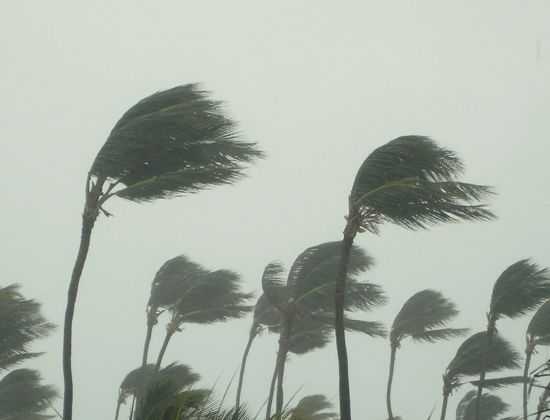
- Trees: High winds and saline storm surges can kill coastal forests, which subsequently impacts the wildlife that relies on them for shelter and food.1
- Sea Grasses: Increased sediment runoff can bury these plants or block the sunlight necessary for photosynthesis, destroying critical breeding grounds.1
How do ecosystems naturally recover after a major hurricane?
Ecosystems recover from major hurricanes primarily through a process known as secondary succession. Unlike primary succession, which occurs in areas previously devoid of life, secondary succession takes place in environments where biological remnants—such as buried seeds, nutrients, and surviving organisms—remain intact after the disturbance.31
The recovery process generally follows these patterns:
- Pioneer Colonization: Shortly after a storm, the area is often recolonized by pioneer species, such as insects and weedy plants, which migrate from surrounding, undisturbed ecosystems.1
- Resource Utilization: Some species are specifically adapted to benefit from the aftermath of a storm. For example, downed trees can create necessary resources, such as water-collecting root cavities for frogs, while the clearing of dense vegetation by storm surges can provide new nesting grounds for certain shorebirds.32
- Gap Dynamics: In habitats like mangroves, hurricanes topple trees and create gaps in the canopy. These openings are essential for the establishment of new seedlings, allowing the forest to regenerate.4
- Intermediate and Climax Stages: Over time, pioneer species are replaced by hardier intermediate species. If the area remains undisturbed, the community’s structure and species composition eventually stabilize into a climax community.1
The pace of this recovery is heavily dependent on the intensity of the hurricane. While ecosystems can often bounce back from moderate events, catastrophic damage—such as severe sedimentation or the introduction of invasive species—can significantly alter the trajectory of recovery.32
What are some ways scientists track animal populations after natural disasters?
Scientists employ a variety of sophisticated techniques to monitor animal populations and their movements, particularly following environmental disturbances. Because ecological systems are complex and difficult to control, researchers rely on a combination of statistical modeling and specialized technology to gather data in the field.8
Key methods for tracking and studying populations include:
- Biotelemetry and Electronic Tracking: These tools allow scientists to follow the movements and behaviors of free-ranging organisms remotely. This technology is essential for rapid sampling of populations that may have been displaced or impacted by natural disasters.8
- Statistical Procedures and Computer Models: By applying biostatistics to field data, ecologists can gain insights into population interactions. These models help researchers understand how species are recovering or shifting within an ecosystem after a major event.8
- Radioisotopes: These are used to trace the movement of nutrients and energy through different components of an ecosystem, helping scientists determine how food chains and survival pathways have been altered.8
- Controlled Field Experiments: While large-scale field control is difficult, researchers use specific experimental designs to test how individual variables—such as habitat loss or temperature changes—affect animal survival.8
Why are mangroves and coastal forests important for protecting inland areas from storms?
Mangroves and coastal forests serve as vital natural buffers that protect inland areas from the destructive forces of storms. By acting as a physical barrier between marine and terrestrial environments, these ecosystems significantly reduce the impact of hurricanes and other severe weather events.910
Their protective capabilities include:
- Wave and Wind Mitigation: The dense, tangled root systems and thickets of mangroves absorb the energy of storm surges and waves, reducing their height and velocity before they reach inland communities.10
- Erosion Control: By trapping sediments with their complex root structures, these forests stabilize the shoreline and prevent the coastal erosion that often exacerbates flooding.910
- Flood Reduction: These ecosystems help manage water flow, and studies have shown that coastal communities with preserved mangrove forests experience significantly less damage and fewer casualties during hurricanes compared to areas where these buffers have been removed.10
Beyond storm protection, these forests are essential keystone species that support biodiversity by providing critical nursery habitats for fish, crabs, and shrimp, while also filtering pollutants to maintain water quality.910
Sources
- 8 Nonhuman Casualties of Hurricanes — Encyclopædia Britannica
- Hurricane Irma — Encyclopædia Britannica
- ecological disturbance - Disturbance intensity and the pace of recovery — Encyclopædia Britannica
- coral reef - Winds , currents, temperature, and salinity — Encyclopædia Britannica
- Wetland - Natural disturbances — Encyclopædia Britannica
- coral reef - Structure — Encyclopædia Britannica
- secondary succession — Encyclopædia Britannica
- ecology - Methods in ecology — Encyclopædia Britannica
- mangrove: Top Questions — Encyclopædia Britannica
- Mangroves Matter - Learn more — Encyclopædia Britannica
- Amazing Mangroves — Encyclopædia Britannica
Published on · 4 min read