Alaskan Malamute
The Alaskan Malamute is characterized by a strong-willed and independent nature, reflecting its history as a pack animal. While they are typically loyal…
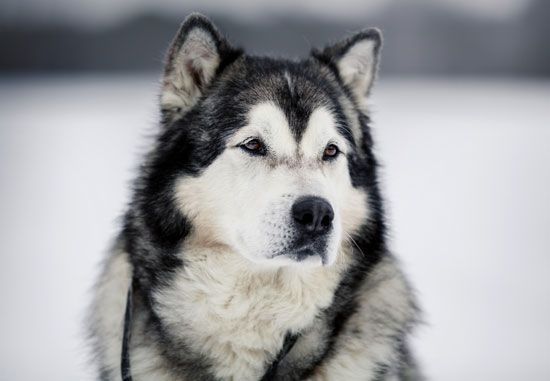
What are the typical temperament and personality traits of an Alaskan Malamute?
The Alaskan Malamute is characterized by a strong-willed and independent nature, reflecting its history as a pack animal. While they are typically loyal, affectionate toward family, and amiable with strangers, they can be stubborn and may attempt to dominate those they do not respect.1
Key personality and temperament traits include:
- Independent and Strong-willed: Their independent nature can make training challenging, though they excel at tasks like sledding and weight-pulling.1
- Playful and Mischievous: They are moderately energetic and often display a sense of humor that can lead to mischievous behavior.1
- Social Dynamics: While friendly with people, they can be aggressive toward unfamiliar dogs. Due to their strength and determination, they may not be the ideal choice for seniors or young children.1
- Behavioral Needs: If left alone, they may engage in excessive digging or howling. They are also known to be “escape artists” and often do not come when called.1
How have Alaskan Malamutes been portrayed in popular culture and media?
Alaskan Malamutes have made notable contributions to history and popular culture, often recognized for their strength and intelligence. While they are frequently associated with their historical roles as sled dogs during the Klondike gold rush and as companions on Antarctic expeditions, their influence extends into modern entertainment.1
Perhaps the most famous cultural connection involves filmmaker George Lucas. Lucas famously based the iconic Star Wars character Chewbacca on his own Alaskan Malamute. Furthermore, the name of that dog, “Indiana,” served as the inspiration for the title character of another of Lucas’s major film franchises, Indiana Jones.1
Beyond these specific media references, the breed’s reputation as a hardy, ancient working dog has solidified its status as a symbol of the Arctic wilderness and endurance.1
What are the primary physical characteristics of an Alaskan Malamute?
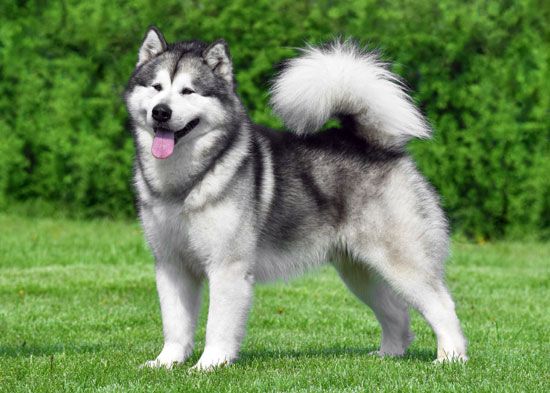
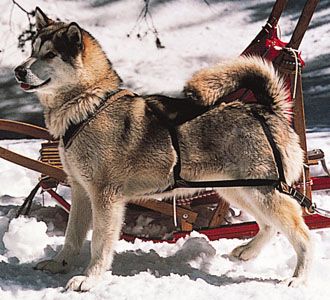
The Alaskan Malamute is a powerfully built dog designed for endurance and heavy work. Its physical appearance is defined by several distinct features:
- Build and Stature: They are large, strongly built animals, typically standing 23–25 inches (58–63.5 cm) at the withers and weighing between 75–85 pounds (34–39 kg).1
- Head and Ears: The breed possesses a broad head and erect ears, which contribute to its alert and sturdy appearance.1
- Coat and Coloration: They have a thick, dense coat that is well-suited for cold climates. The coat is usually gray and white or black and white, often featuring distinctive caplike or masklike markings on the head.1
- Tail: A signature physical trait is the plumelike tail, which is characteristically carried over the dog’s back.1
Because of their dense fur, these dogs are highly susceptible to overheating in warm weather and generally thrive best in colder environments.1
What are the exercise and grooming needs of an Alaskan Malamute?
To maintain the health and well-being of an Alaskan Malamute, owners must be prepared for significant commitments regarding both physical activity and coat maintenance.
Exercise Needs
As a breed developed for heavy labor, the Alaskan Malamute requires consistent, vigorous activity.
- Daily Activity: They benefit from daily long walks or hikes, supplemented by active play sessions.1
- Specialized Sports: They excel in sledding and weight-pulling activities. They can also participate in agility, obedience, and nose work.1
- Safety: Because they are independent and may not reliably return when called, they should only be exercised in securely fenced areas. Owners should be aware that some individuals are skilled escape artists.1
Grooming Needs
The breed’s thick, dense coat is a defining feature that requires regular attention.
- Brushing: Daily brushing is necessary to manage their coat, particularly during periods of heavy shedding.1
- Climate Sensitivity: Due to the density of their fur, they are highly susceptible to overheating. They are best suited for cold climates and require careful monitoring during warmer weather to prevent heat-related issues.1
Sources
- Alaskan Malamute — Encyclopædia Britannica
Published on · 3 min read