Arctic Fox
The Arctic fox (Vulpes lagopus) undergoes a seasonal change in its coat color as an adaptation to its environment. The species exhibits two primary color…
How does the Arctic fox’s fur change color with the seasons?
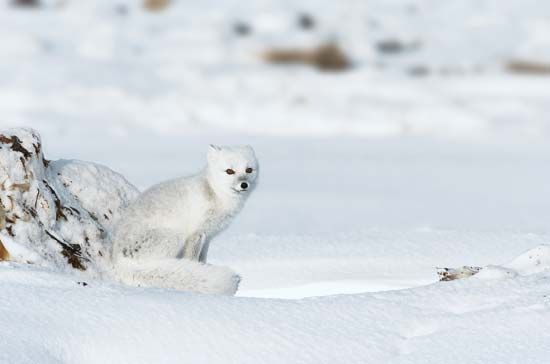
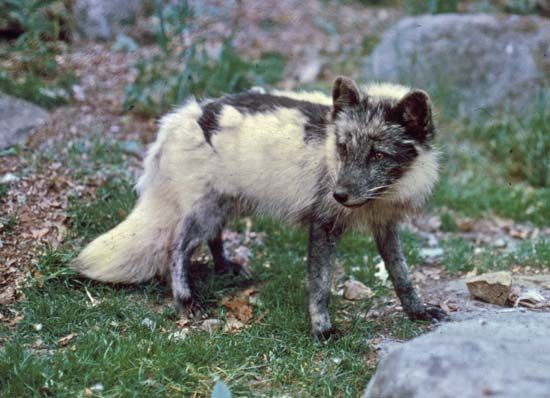
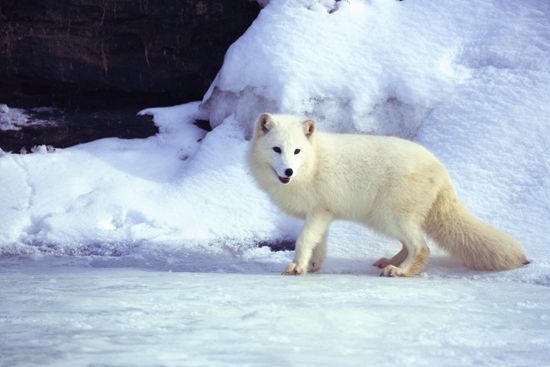
The Arctic fox (Vulpes lagopus) undergoes a seasonal change in its coat color as an adaptation to its environment. The species exhibits two primary color phases:1
- White phase: Individuals are grayish brown during the summer and transition to a white coat in the winter.1
- Blue phase: Individuals are grayish in the summer and shift to a gray-blue color in the winter.1
This seasonal shift in coloration serves as a form of camouflage, allowing the foxes to blend into their surroundings. While the white winter coat helps the fox remain inconspicuous against the snow, some coastal populations in Alaska and Canada are slate gray and only lighten slightly during the winter months.23
It is important to note that not all Arctic animals change color; for those that do, the process is often linked to photoperiod—the amount of daylight—rather than temperature alone. This camouflage is vital for survival, as it helps predators approach prey undetected and allows prey to hide from predators.32
What are the main threats to Arctic fox populations in the wild?
While the Arctic fox (Vulpes lagopus) is currently classified as a species of least concern by the International Union for Conservation of Nature, it faces several threats in the wild:2
- Predation: Arctic foxes are preyed upon by larger carnivores, including polar bears, wolves, and wolverines.2
- Climate Change: The Arctic is experiencing rapid warming, which is altering tundra ecosystems. This leads to the loss of habitat, changes in vegetation, and the melting of permafrost, all of which threaten the resilience of the ecosystem and the availability of resources for native species.4
- Human Activity: Hunting for fur remains a practice among some native Arctic peoples, though the pressure from the commercial fur industry has declined significantly since the late 20th century. Additionally, industrial activities such as oil drilling, mining, and infrastructure development contribute to environmental pollution and habitat degradation in the tundra.24
How does the Arctic fox’s diet change between summer and winter seasons?
The Arctic fox (Vulpes lagopus) is an opportunistic feeder that adjusts its diet based on the seasonal availability of food in the Arctic environment.2
- Summer Diet: During the brief summer months, the Arctic fox primarily preys on small rodents, such as lemmings. It may also supplement its diet by hunting birds.22
- Winter Diet: As resources become scarcer in the winter, the fox expands its hunting habits. It continues to hunt rodents but also targets a wider variety of birds, including ptarmigan, grouse, and puffins. In some instances, it may even hunt reindeer.22
Throughout the year, the Arctic fox is known to follow polar bears to scavenge on the remains of their kills, providing a consistent, albeit secondary, food source regardless of the season. Because the Arctic ecosystem has limited productivity during the long winter, the fox’s ability to switch between these various food sources is a critical survival strategy.231
What are the unique physical adaptations of the Arctic fox that help it survive in cold climates?
The Arctic fox (Vulpes lagopus) possesses several specialized physical adaptations that allow it to thrive in the extreme cold of the Arctic region:
- Body Proportions: To minimize heat loss, the Arctic fox has a short muzzle and short, rounded ears. These compact features reduce the surface area exposed to the freezing environment, helping the animal conserve body heat.2
- Insulating Fur: The fox is equipped with fur-covered soles, which provide insulation against the frozen ground and improve traction on snow and ice.2
- Seasonal Coloration: The Arctic fox undergoes a seasonal shift in its coat color, which serves as a form of camouflage. Individuals of the “white” phase transition from a grayish-brown coat in the summer to a white coat in the winter, allowing them to blend into the snowy landscape.23
- Potential Thermal Benefits: While camouflage is a primary driver for this color change, some scientists theorize that the white winter coat may offer superior insulation. Because white hair lacks melanin, it contains air spaces in the hair shaft that may help retain body heat more effectively than pigmented hair.1
Sources
- 7 Animals That Turn White in Winter — Encyclopædia Britannica
- Arctic fox — Encyclopædia Britannica
- Tundra - Arctic mammals — Encyclopædia Britannica
- red fox — Encyclopædia Britannica
- Tundra - Effects of human activities and climate change — Encyclopædia Britannica
- coyote: Top Questions — Encyclopædia Britannica
- Polar ecosystem - Biological productivity — Encyclopædia Britannica
Published on · 3 min read