Ambon
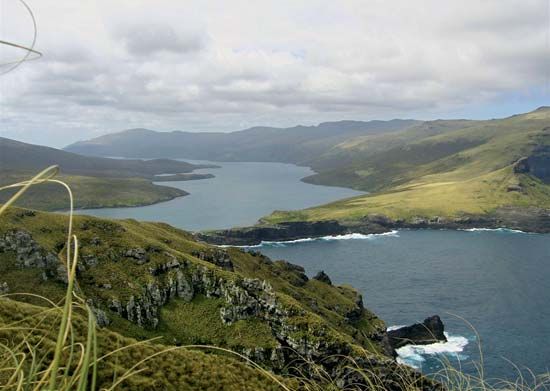
Ambon Island, located in the Moluccas group of Indonesia, features a hilly landscape defined by several notable natural characteristics:
What are some notable natural landmarks or attractions on Ambon Island?
Ambon Island, located in the Moluccas group of Indonesia, features a hilly landscape defined by several notable natural characteristics:
- Mount Salhatu: The island’s prominent peak, which reaches an elevation of 3,405 feet (1,038 metres).1
- Geothermal Features: While the island lacks active volcanoes, it is home to various hot springs and hot-gas vents known as solfataras.1
- Marine Gardens: The eastern end of Ambon Bay contains diverse marine gardens, which are home to many varieties of fish.1
Beyond these natural landmarks, the island is also known for its unique biodiversity, including bird species such as the racquet-tailed kingfisher, the crimson lory, and the vivid crimson brush-tongued parrot. The island’s history is also reflected in sites like the historic Fort Victoria in the capital city of Ambon, which dates back to the early 17th century.1
What is the climate like on Ambon Island, and how does it affect local agriculture?
Ambon Island experiences a tropical climate characterized by abundant rainfall. While this climate supports the cultivation of various crops, agricultural production on the island is generally considered insignificant.1
Local agricultural output includes:
- Corn (maize)
- Coffee
- Root crops
- Sago
- Cloves
Additionally, the island produces copra, sugar, and palm wine, while fishing remains a key economic activity. The port of Ambon serves as the primary hub for the shipment of these agricultural and marine products.1
Although the provided information confirms the island’s tropical climate and lists its agricultural products, the available data does not explicitly detail the specific causal mechanisms by which the climate influences the cultivation of these crops.
What are the main ethnic groups and languages spoken on Ambon Island?
The primary ethnic group on Ambon Island is the Ambonese, who are predominantly of Melanesian descent. The population is culturally and religiously divided, with Muslims generally residing in the northern parts of the island and Christians, who form the majority and are overwhelmingly Protestant, living in the south.12
Regarding language, the local tongue is a member of the Indonesian family and is closely related to Timorese. This language serves as a regional lingua franca and has been significantly influenced by history, incorporating many Portuguese and Dutch loanwords.1
What is the geographical location and size of Ambon Island?
Ambon is an island and municipality located in the Maluku province of Indonesia. It is part of the Moluccas island group and is situated approximately 7 miles (11 km) off the southwestern coast of the island of Ceram.1
The island covers a total area of 294 square miles (761 square km).1
Sources
- Ambon — Encyclopædia Britannica
- Indonesia - Eastern islands — Encyclopædia Britannica
- Ambon — Merriam-Webster
Published on · 2 min read