Amboseli National Park
Amboseli National Park, located in southern Kenya, is a vital protected area known for its diverse wildlife, including elephants, lions, and black…
What conservation efforts are in place to protect Amboseli National Park and its inhabitants?
Amboseli National Park, located in southern Kenya, is a vital protected area known for its diverse wildlife, including elephants, lions, and black rhinoceroses.1
Conservation efforts in the region are complex, often balancing the needs of the Maasai people—who have historically grazed cattle on these lands—with the preservation of the national park ecosystem. In 2005, a significant conservation debate emerged when the Kenyan government proposed transferring the park’s management to the local Maasai community and reverting its status to a reserve.1
This move was met with a legal challenge from conservationists who argued that the change could threaten the integrity of the park’s protected status. Consequently, the transfer was halted, maintaining the park’s current management structure to ensure the continued protection of its habitats and fauna. Ethical conservation requires a commitment to both biodiversity protection and the recognition of the rights and livelihoods of indigenous communities.1
What are the most notable wildlife species found in Amboseli National Park?
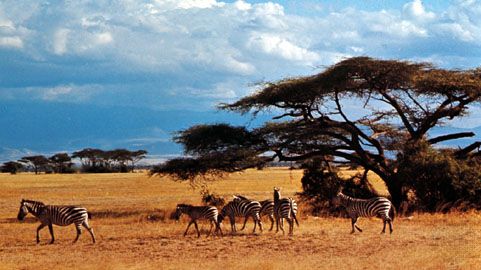
Amboseli National Park is home to a diverse array of wildlife that thrives across its open plains, thornbush country, and acacia woodlands. The park is particularly renowned for its large populations of elephants, which are among the most iconic inhabitants of the region.1
Other notable fauna found within the park include:
- Predators: Lions and cheetahs.1
- Large Mammals: Black rhinoceroses, hippopotamuses, buffalo, and Maasai giraffes.1
- Primates: Baboons.1
- Antelopes and Gazelles: Oryx, wildebeests, gerenuk, impalas, and various gazelles.1
These species rely on the park’s varied habitats, which range from marshlands and swamps to the dry basin of Lake Amboseli.1
What is the history of Amboseli National Park, and when was it established?
Amboseli National Park has a history deeply intertwined with the Maasai people, who have traditionally used the land for their cattle herds. The area was first established as a game reserve in 1948, spanning 1,259 square miles (3,261 square km) northwest of Kilimanjaro in Tanzania.1
In 1974, a portion of this reserve—approximately 151 square miles (392 square km)—was officially designated as Amboseli National Park. This core area, centered on the dry basin of Lake Amboseli, preserves three of the original seven habitats: open plains, thornbush country, and acacia woodland.1
The park’s management has faced significant debate. In 2005, the Kenyan government proposed returning the park to the local Maasai community and reverting its status to a reserve. However, this plan was successfully challenged by conservationists, and the transfer was halted to maintain the park’s existing protected status.1
We could dive deeper into the ecological significance of the seven original habitats or explore the ongoing challenges of balancing wildlife conservation with local land use.
Where is Amboseli National Park located in Kenya, and what are its main geographical features?
Amboseli National Park is situated in southern Kenya within eastern Africa. It is located northwest of Kilimanjaro, which lies across the border in Tanzania.1
The park’s geography is defined by several distinct features:
- Lake Amboseli: The park is centered on the basin of this lake, which is typically dry and characterized by a flat expanse of alkaline soils.1
- Habitats: The park encompasses three primary ecological zones: open plains, thornbush country, and acacia woodland.1
- Regional Context: While the original 1948 game reserve included a broader range of landscapes—such as swamp, marshland, and the slopes of Oldoinyo Orok—the current national park focuses on the core basin area.1
Sources
- Amboseli National Park — Encyclopædia Britannica
Published on · 3 min read