Amensalism
Amensalism is a biological interaction between two different species where one organism is harmed or destroyed, while the other remains unaffected. This…
What is amensalism?
Amensalism is a biological interaction between two different species where one organism is harmed or destroyed, while the other remains unaffected. This relationship typically manifests in two primary ways:1
- Competition: A larger or stronger organism excludes a smaller or weaker one from a specific habitat or resource, such as food.1
- Antibiosis: One organism produces a chemical secretion that damages or kills another, while the producer itself experiences no impact.1
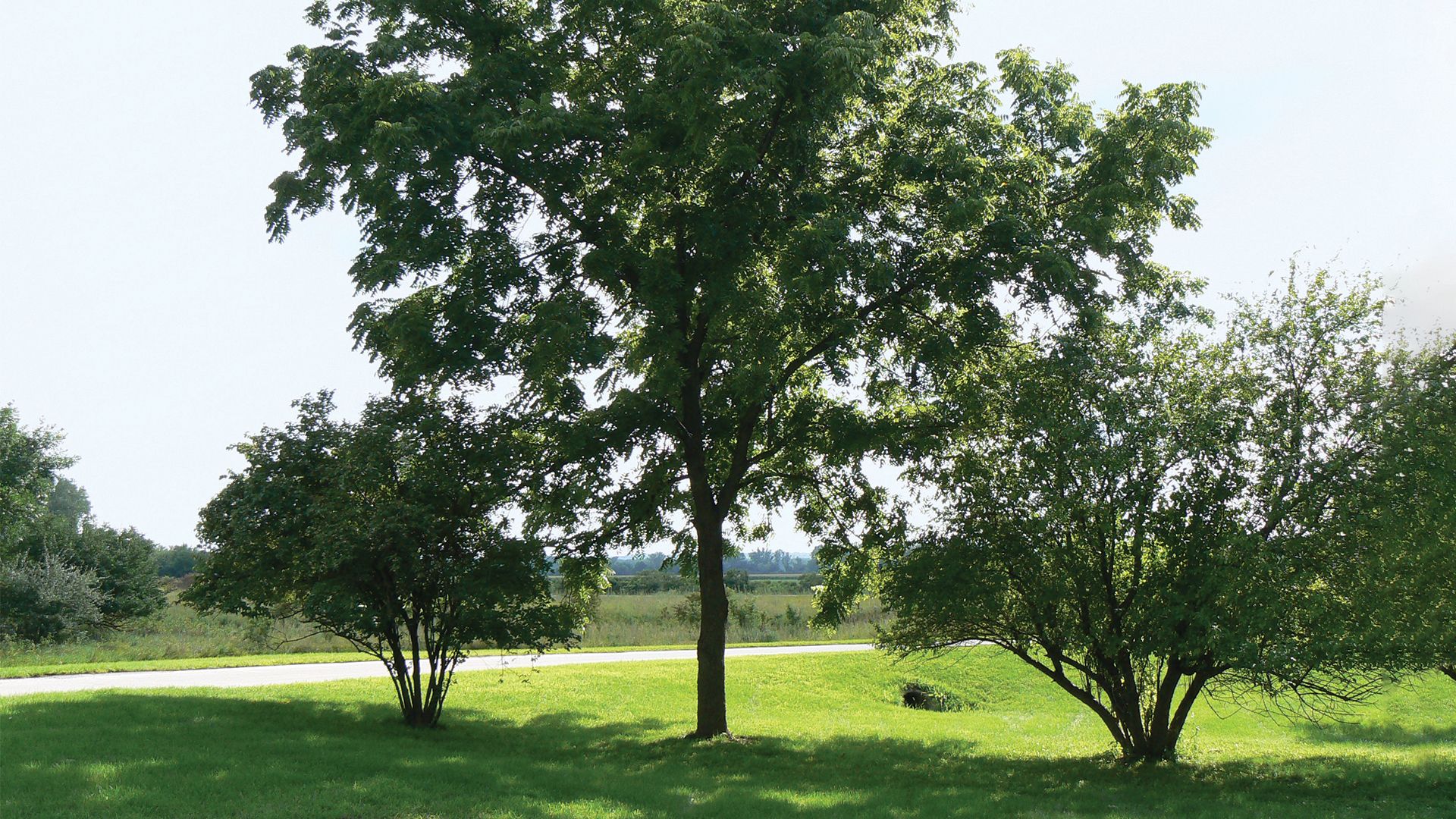
A well-known example of antibiosis is the interaction between the bread mold Penicillium and bacteria; the mold secretes penicillin, which inhibits or destroys the bacteria. Similarly, the black walnut tree releases a chemical called juglone that kills many herbaceous plants growing within its root zone.1
How does amensalism differ from competition?
While amensalism is sometimes categorized as a mode of competition, the two interactions differ fundamentally in their impact on the participating species.
In ecology, these interactions are often classified by their effects on the involved species, denoted as positive (+), negative (–), or neutral (0):
- Competition is a (–, –) interaction. It occurs when organisms of the same or different species utilize the same limited resources, such as food or space. Because both species require the same resources, both incur a cost, which may result in reduced growth, lower reproductive rates, or local extinction.13
- Amensalism is a (–, 0) interaction. In this relationship, one species is inhibited or destroyed, while the other remains entirely unaffected.43
When amensalism manifests as competition, it represents an asymmetrical interaction where a stronger organism excludes a weaker one from resources. However, amensalism also includes antibiosis, where one organism causes harm through chemical secretions—such as the black walnut tree releasing juglone—without gaining any direct benefit itself.4
What is the difference between commensalism and mutualism?
The primary difference between commensalism and mutualism lies in how the participating species are affected by their interaction:
- Commensalism: This is a relationship where one species benefits—obtaining food, shelter, or locomotion—while the other species remains unaffected, neither gaining nor losing from the association. For example, remoras attach themselves to sharks to feed on leftover scraps, while the shark experiences no significant impact.6
- Mutualism: This is a relationship where both species involved derive a benefit. These interactions are fundamental to biological communities, ranging from mycorrhizal associations that help plants absorb nutrients to animals that pollinate flowers while feeding on nectar.678
While mutualism may appear cooperative, it is driven by the selfish interests of each species to maximize its own survival and reproduction. Over time, natural selection continues to reshape these relationships as each species evolves to better exploit the other for its own advantage.2
Can you explain the concept of antibiosis with more examples?
Antibiosis is a form of amensalism in which one organism is damaged or killed by a chemical secretion from another, while the producer remains unaffected. This biological strategy is often used by microorganisms to control the growth of competitors in complex environments like soil growth of competitors in complex environments like soil.1
Common examples of antibiosis include:
- Microbial Defense: The bread mold Penicillium secretes the substance penicillin, which is lethal to certain bacteria. This discovery revolutionized the treatment of bacterial infections in humans.91
- Plant Allelopathy: Some higher plants produce chemicals to inhibit or kill nearby competitors. The black walnut tree, for instance, releases juglone, a compound that destroys many herbaceous plants within its root zone.9
- Chemical Deterrence: Plants often produce compounds to inhibit feeding by herbivores. The neem tree produces azadirachtin, which acts as a deterrent to insects by affecting their sense of taste.10
These chemical interactions are essential for survival in competitive ecosystems, allowing organisms to secure resources by neutralizing threats without direct physical conflict.91
Sources
- amensalism — Encyclopædia Britannica
- community ecology - The evolution of mutualism — Encyclopædia Britannica
- competition — Encyclopædia Britannica
- community ecology - The effects of competition — Encyclopædia Britannica
- population ecology - Interspecific interactions — Encyclopædia Britannica
- commensalism — Encyclopædia Britannica
- community ecology - The pervasiveness of mutualism — Encyclopædia Britannica
- community ecology - Mutualism — Encyclopædia Britannica
- Chemoreception - Altering pest behavior — Encyclopædia Britannica
- Antibiotic — Encyclopædia Britannica
- Antibiotic - Mechanisms of action — Encyclopædia Britannica
Published on · 3 min read