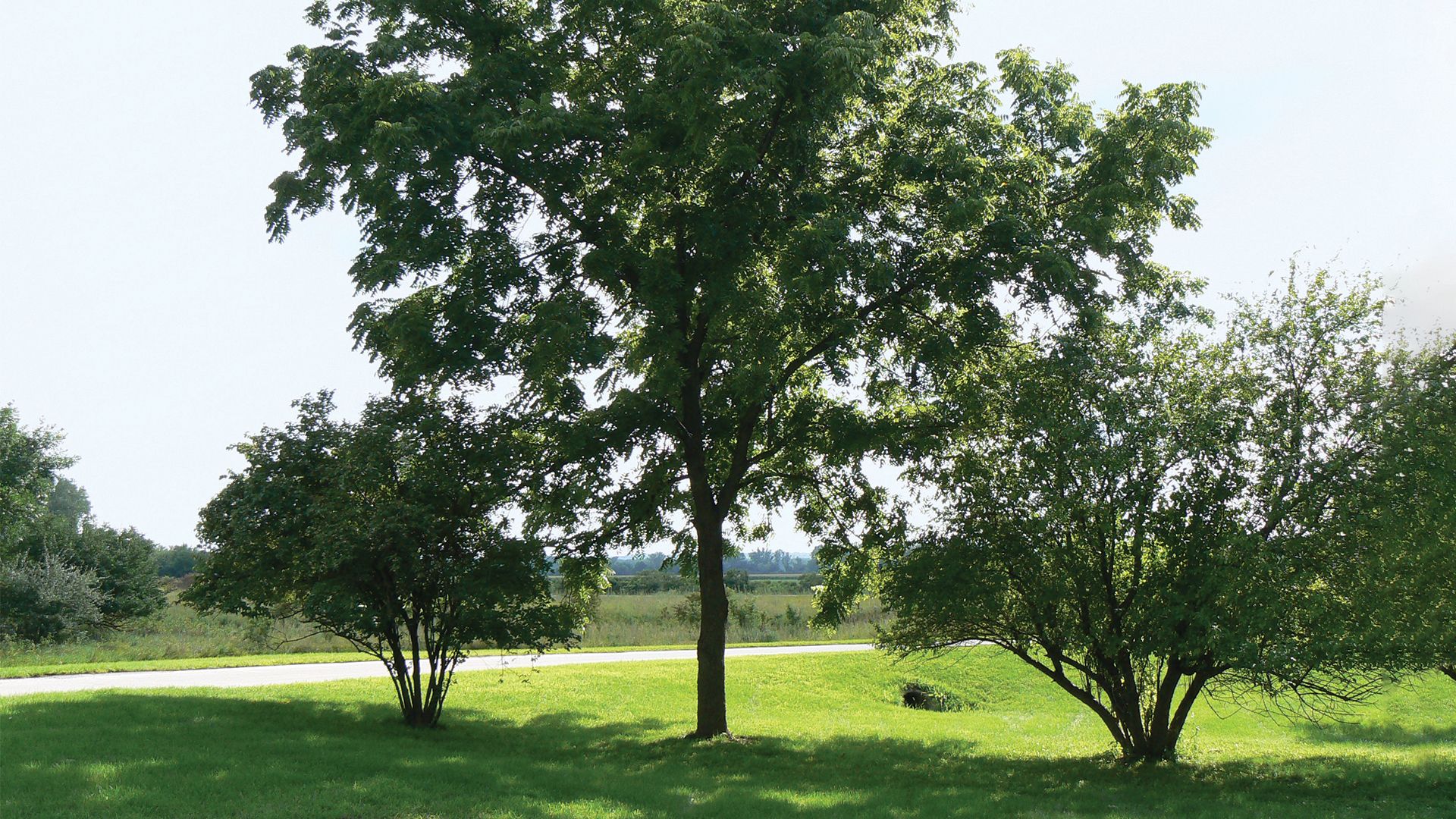
Autumn
Autumn is the season of transition between summer and winter, characterized by a gradual decrease in temperatures in middle and high latitudes. In the…
What are the defining characteristics of autumn as a season?
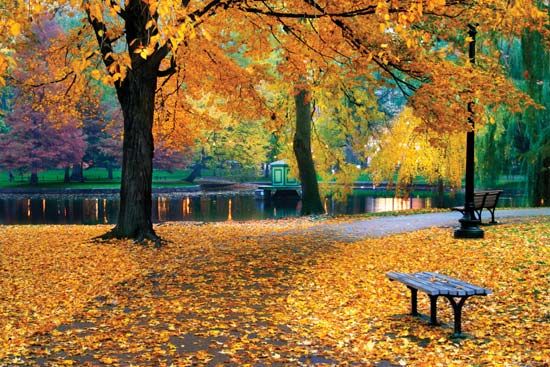
Autumn is the season of transition between summer and winter, characterized by a gradual decrease in temperatures in middle and high latitudes. In the Northern Hemisphere, it spans from the autumnal equinox (September 22 or 23) to the winter solstice.12
Key characteristics include:
- Biological Changes: Many plants undergo leaf abscission, where chlorophyll degrades to reveal vibrant yellow, orange, and red pigments. Animals often grow thicker coats and gather food, while many birds migrate toward the Equator in response to shorter days and dwindling food sources.314
- Environmental Shifts: Days shorten and nights lengthen as the Earth’s axis tilts away from the Sun.2
- Cultural Significance: Historically, the season is deeply connected to the harvesting of crops, often marked by various festivals and rites.1
While typically associated with cooling, some regions experience Indian summer, a period of unseasonably warm weather.1
How does the autumnal equinox relate to the start of fall?
The autumnal equinox serves as the astronomical marker for the beginning of autumn in both the Northern and Southern Hemispheres.56
This event occurs at the precise moment the Sun is positioned directly above the Equator as it moves from one hemisphere to the other. In the Northern Hemisphere, this happens around September 22 or 23 as the Sun crosses the celestial equator heading south. Conversely, in the Southern Hemisphere, the equinox takes place on March 20 or 21 as the Sun moves north.756
While the term equinox is derived from Latin for “equal night,” it does not signify a day of exactly 12 hours of daylight and 12 hours of darkness. Factors such as atmospheric refraction and the definition of sunrise and sunset mean that daylight remains slightly longer than the night. Following this moment, the hemisphere experiencing the start of autumn will see progressively shorter days and longer nights until the winter solstice.86
How do different cultures around the world celebrate or observe autumn?
Across the globe, autumn is widely observed through harvest festivals that celebrate the season’s bounty and ensure future agricultural success. These traditions often reflect the deep connection between seasonal cycles and food production.910
Key cultural observations include:
- Mid-Autumn Festival: Celebrated in China, Taiwan, Vietnam, and other East and Southeast Asian nations, this major holiday coincides with the full moon in the eighth lunar month. Families gather to share “mooncakes,” give thanks for the harvest, and encourage the return of light for the coming year. It is also known as the Moon Festival or by local names such as Tsukimi in Japan and Tet Trung Thu in Vietnam.911
- Thanksgiving: In the United States and Canada, this holiday has evolved into a largely secular national day of rest and gratitude. While modern celebrations often center on a shared meal, the history is complex; for many Native Americans, the day is marked as a “National Day of Mourning” due to the historical impact of European colonization.912
- Sukkoth: This eight-day Jewish festival, also known as the “Feast of Booths,” occurs in autumn. It involves constructing temporary huts to commemorate the Israelites’ journey through the desert and to offer thanks for the harvest.9
- Yam Festival: Celebrated by the Ewe people of Ghana and in parts of Nigeria and Papua New Guinea, this festival marks the end of the rainy season and the first harvest of yams, serving as a vital plea to avert famine.9
What causes leaves to change color in autumn?
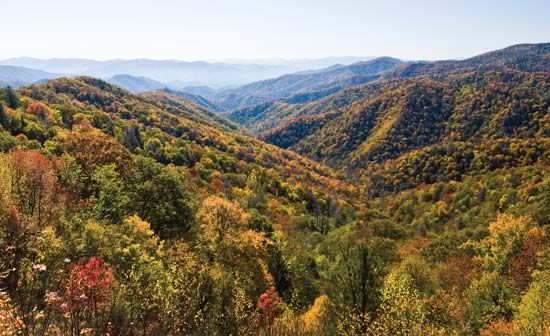
The vibrant colors of autumn leaves are the result of a controlled biological process triggered by shortening days and cooling temperatures as trees prepare for dormancy. temperatures as trees prepare for dormancy.1514
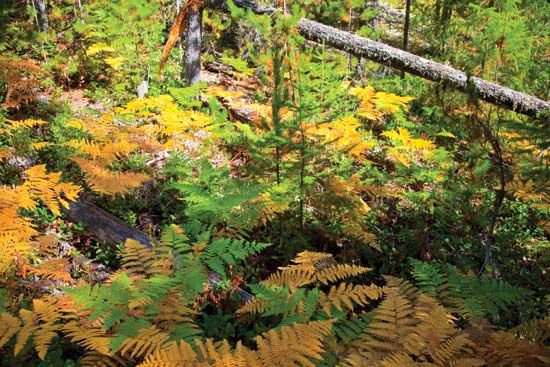
During the growing season, leaves appear green because of chlorophyll, the pigment responsible for photosynthesis. As autumn approaches, the tree reduces chlorophyll production, and the existing pigment begins to break down. This degradation reveals other pigments that were previously masked by the green:151614
- Carotenoids: These pigments produce yellow and orange hues. They are present in the leaf throughout the growing season, where they assist in trapping solar energy.151417
- Anthocyanins: These pigments, which create red and purple colors, often accumulate in the leaves as the season progresses. Their development is encouraged by intense light and low temperatures.151418
- Tannins: These compounds are responsible for the dull brown colors seen in species such as oak trees.14
Ultimately, the tree forms an abscission layer at the base of the leaf stalk, which slowly separates the leaf from the plant, allowing it to fall while the tree conserves energy for the coming spring.1614
Sources
- Autumn — Encyclopædia Britannica
- Why do leaves change colors in the fall? — Encyclopædia Britannica
- How do birds know when to fly south? — Encyclopædia Britannica
- First Day of Fall — Encyclopædia Britannica
- Autumnal equinox: Top Questions — Encyclopædia Britannica
- Autumnal equinox — Encyclopædia Britannica
- Why do we have seasons? — Encyclopædia Britannica
- 22 Questions About Time and Timekeeping Answered - When do the seasons officially start? — Encyclopædia Britannica
- Autumn Moon Festival — Merriam-Webster
- Moon Festival — Merriam-Webster
- 5 Harvest Festivals Around the World — Encyclopædia Britannica
- Thanksgiving Day in the United States — Encyclopædia Britannica
- Feast - The significance of seasonal renewal in areas of other religions — Encyclopædia Britannica
- Why Do Leaves Change Color in the Fall? — Encyclopædia Britannica
- Why Do Leaves Fall in Autumn? — Encyclopædia Britannica
- leaf — Encyclopædia Britannica
- Carotenoid — Encyclopædia Britannica
- anthocyanin — Encyclopædia Britannica
Published on · 4 min read