Apex Predator
An apex predator is a flesh-eating animal that occupies the highest position in an ecosystem’s trophic pyramid and has no natural predators of its own. By…

What is apex predator?
An apex predator is a flesh-eating animal that occupies the highest position in an ecosystem’s trophic pyramid and has no natural predators of its own. By sitting at the top of the food chain, these animals serve as the final destination for energy flow within their biological community.12
Many apex predators also function as keystone species, meaning they exert a disproportionately large influence on their environment. By controlling the populations of other species through hunting and behavioral disruption, they help maintain local biodiversity. When these top carnivores are removed from an ecosystem, it can lead to mesopredator release, a phenomenon where populations of smaller, medium-sized predators surge, often resulting in a decline in overall ecosystem health and diversity.13
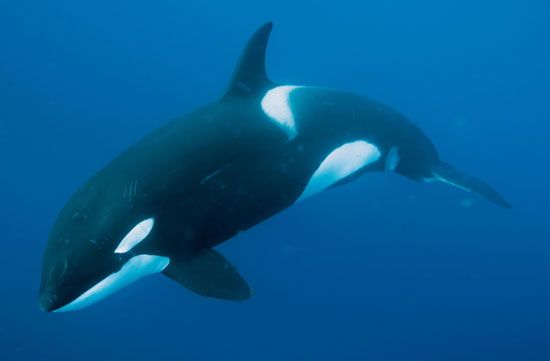
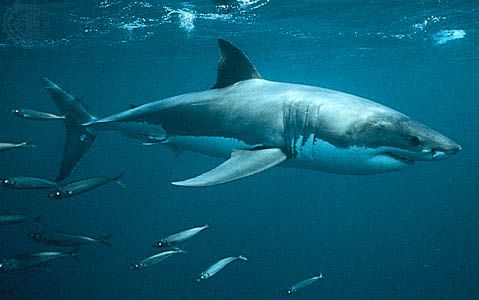
Examples of apex predators include lions, wolves, killer whales, and white sharks.1
What is a keystone species and how does it differ from an apex predator?
An apex predator is a carnivore that occupies the highest position in an ecosystem’s trophic pyramid, meaning it has no natural predators of its own. In contrast, a keystone species is defined by its disproportionately large impact on its biological community relative to its abundance.145
The primary differences lie in their definitions and roles:
- Classification: Apex predator status is determined by an animal’s position in the food chain. A keystone species is defined by its functional importance to the community structure.14
- Mechanism of Influence: While many apex predators are also keystone species because they control prey populations, keystone species can influence an ecosystem in other ways, such as providing critical resources. For example, while a wolf acts as a keystone species by hunting elk, certain fig trees act as keystone species by providing food when other resources are scarce.451
- Context: A species may be a keystone species in one environment but not in another, depending on its specific ecological interactions.45
What happens to an ecosystem when apex predators are removed?
When apex predators are removed from an ecosystem, it often triggers a trophic cascade, an ecological phenomenon where the loss of top carnivores causes reciprocal changes in the populations of prey and primary producers throughout the food chain.6
Key consequences of this removal include:
- Mesopredator Release: Without top carnivores to compete with or prey upon them, populations of medium-sized predators—such as coyotes, raccoons, and foxes—often surge. These mesopredators then exert increased pressure on smaller prey, such as songbirds, leading to a decline in overall biodiversity.63
- Overpopulation of Herbivores: The absence of predators allows herbivore populations to grow unchecked. For example, the removal of wolves has historically led to an increase in deer and elk populations, which in turn overconsume vegetation, damaging plant communities and habitats.6
- Ecosystem Degradation: Trophic cascades can alter nutrient cycling, biomass production, and even the exchange of gases like carbon dioxide and oxygen between the ecosystem and the atmosphere. In marine environments, the loss of predators like sea otters or large sharks can lead to the collapse of habitats like kelp forests or the decimation of fisheries.63
Because these predators are essential for maintaining ecosystem structure, their conservation is vital for preserving the natural services that support human life, such as clean water and air.6
How do mesopredators change their behavior when apex predators are present?
When apex predators are present in an ecosystem, mesopredators—such as coyotes, foxes, and raccoons—often modify their behavior to minimize the risk of lethal encounters. Because top carnivores like wolves and cougars compete for the same resources and may prey upon smaller carnivores, mesopredators frequently exhibit the following behavioral shifts:
- Spatial Avoidance: Mesopredators often avoid areas or territories claimed by apex predators to reduce the likelihood of a direct confrontation.13
- Altered Foraging Patterns: To avoid detection, mesopredators may change their hunting and foraging schedules or locations. By shifting these patterns, they reduce their exposure to larger predators that control prime hunting grounds and den sites.3
- Detection and Response: Mesopredators are highly sensitive to the presence of apex predators, often detecting them through sensory cues such as the scent of [urine]1.
These behavioral adjustments are critical for survival, as they allow mesopredators to coexist in the same landscape as their superiors while avoiding the high mortality rates associated with direct competition.3
Sources
- apex predator — Encyclopædia Britannica
- apex predator — Merriam-Webster
- mesopredator release — Encyclopædia Britannica
- keystone species — Encyclopædia Britannica
- community ecology - Keystone species — Encyclopædia Britannica
- trophic cascade — Encyclopædia Britannica
- gray wolf - Conservation status — Encyclopædia Britannica
Published on · 3 min read