American Samoa
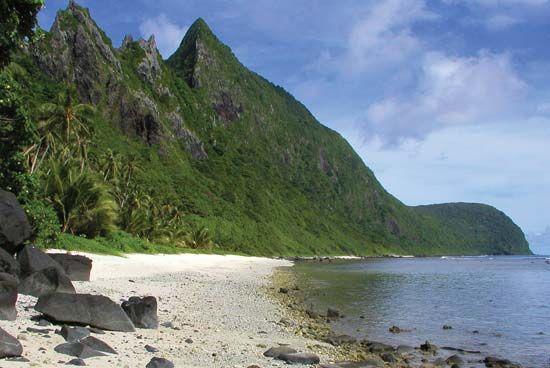
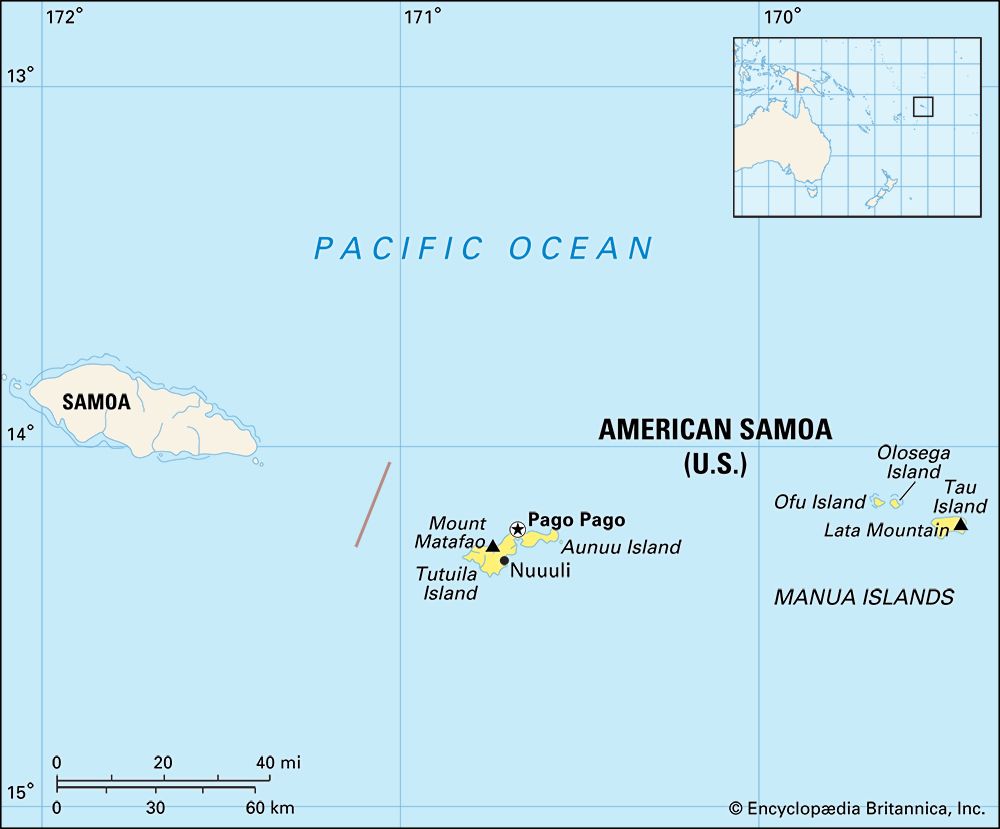
American Samoa became a U.S. territory following an 1899 agreement between colonial powers that divided the Samoan archipelago into spheres of influence…
How did American Samoa become a U.S. territory and what is its current political status?
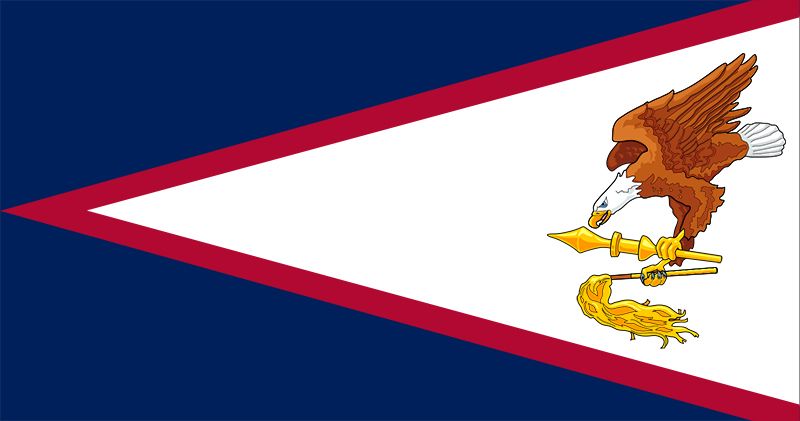
American Samoa became a U.S. territory following an 1899 agreement between colonial powers that divided the Samoan archipelago into spheres of influence, with the United States taking the eastern islands. Local chiefs formally ceded these islands to the U.S. by 1904, and Congress officially accepted these deeds of cession in 1929.1
Currently, American Samoa is an unincorporated, unorganized territory of the United States. Because it lacks an organic act, not all provisions of the U.S. Constitution apply. The territory is under the jurisdiction of the U.S. Department of the Interior.21
Politically, American Samoans are U.S. nationals rather than citizens, though they have the right to reside in the U.S. The territory has its own constitution (adopted in 1967) and a bicameral legislature called the Fono, with a governor elected by popular vote. The U.S. remains responsible for the territory’s defense.23
How does the economy of American Samoa function, and what are its primary industries?
The economy of American Samoa is primarily driven by the service sector and manufacturing, with the government serving as the territory’s largest employer. A significant portion of the national income is derived from grants provided by the U.S. federal government.5
Primary Industries
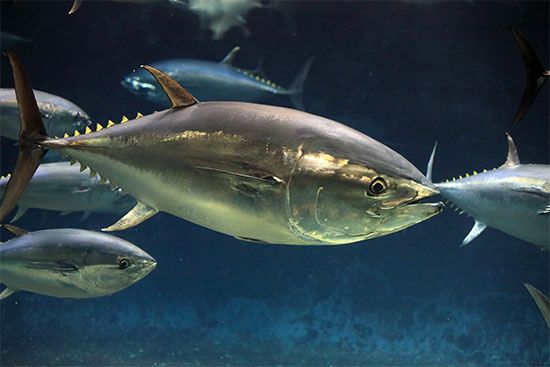
- Manufacturing: Tuna canning is a cornerstone of the economy, conducted by American-owned canneries. Canned tuna and small amounts of pet food constitute the territory’s primary exports, which are sent mainly to the United States.5
- Services and Tourism: The service sector is a vital component of the economy, with tourism serving as a key industry.5
- Agriculture: Farming is largely organized on a semicommercial basis, focusing on crops such as taro, bananas, tropical fruits, and vegetables. Additionally, traditional family gardens produce staples like coconuts, breadfruit, and yams to help meet domestic needs.5
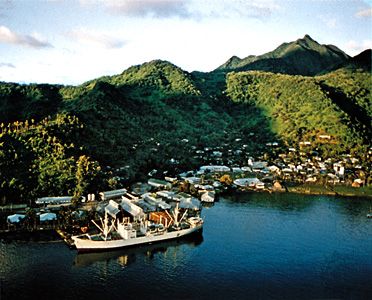
The territory relies on imports—including consumer goods, food, mineral fuels, and fish for the canneries—primarily from the United States and Singapore, with additional trade from Fiji and New Zealand. Infrastructure supporting these activities includes the major port at Pago Pago and an international airport located on Tutuila5.5
How do sports, particularly American football, impact American Samoan culture and society?
The provided search results do not contain information regarding the impact of American football on American Samoan culture and society. The available data focuses on sports in the independent nation of Samoa, highlighting activities such as rugby, kirikiti, and traditional outrigger canoe racing, but it does not address the specific role of American football in the U.S. territory of American Samoa.9
What efforts are being made to preserve traditional Samoan culture in the face of modernization?
Despite the pressures of modernization and significant influence from Western culture—particularly in American Samoa—the people of the Samoan islands have remained dedicated to preserving the fa‘a Samoa (“Samoan way of life”).1011
Efforts to maintain these traditions are evident across several areas of society:
- Social and Village Life: Many rural areas continue to uphold traditional customs, with the village meetinghouse serving as a central hub for community life. The matai (chiefs) continue to play a vital role, maintaining traditional governance and performing rhythmic, poetic orations at council meetings and major events.10121314
- Language: The Samoan language, one of the oldest Polynesian tongues, remains the official language of Samoa, ensuring its continued use in legislative and daily activities.15
- Arts and Heritage: Traditional practices such as tattooing, which serves as a significant rite of passage, have been actively maintained and even helped to revive similar traditions elsewhere in Polynesia. Furthermore, oral literature—including legends and genealogies—continues to be passed down through generations, with contemporary writers like Albert Wendt documenting the complexities of the fa‘a Samoa in literature.13
- Cultural Expression: Music and dance, such as the sāsā and fa‘ataupati, remain central to social gatherings and family celebrations, reinforcing the islanders’ Polynesian heritage.1113
Sources
- American Samoa — Encyclopædia Britannica
- American Samoa - Constitutional framework — Encyclopædia Britannica
- Immigration - December 12, 2019 - American Samoans ruled U.S. Citizens by birth — Encyclopædia Britannica
- American Samoa - History of American Samoa — Encyclopædia Britannica
- American Samoa - Economy — Encyclopædia Britannica
- Samoa - Services — Encyclopædia Britannica
- Samoa - Labour and taxation — Encyclopædia Britannica
- history of Samoa — Encyclopædia Britannica
- Samoa - Sports and recreation — Encyclopædia Britannica
- Samoa - Cultural life — Encyclopædia Britannica
- American Samoa - Cultural life — Encyclopædia Britannica
- Samoa - Languages — Encyclopædia Britannica
- Samoa - Daily life and social customs — Encyclopædia Britannica
- Samoa - The arts — Encyclopædia Britannica
- Samoa - Early period — Encyclopædia Britannica
Published on · 3 min read