National Park of American Samoa
The National Park of American Samoa was established in 1988. It serves as a protected tropical preserve encompassing rainforest and coral reef ecosystems…
When was the National Park of American Samoa established, and what led to its creation?
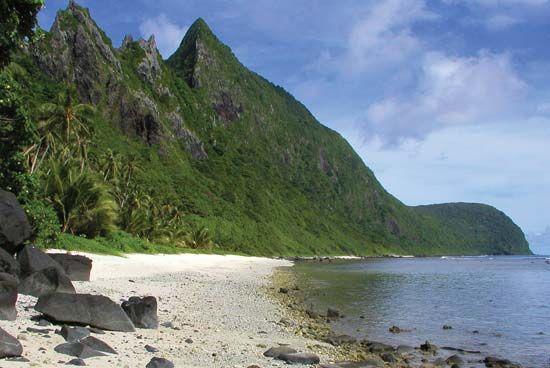
The National Park of American Samoa was established in 1988. It serves as a protected tropical preserve encompassing rainforest and coral reef ecosystems across three islands: Tutuila, Tau, and Ofu.1
The park’s creation was driven by the need to preserve both the unique natural resources of the territory—such as its native flying fox populations and pristine marine life—and significant Samoan cultural sites1. An unusual and defining aspect of the park is its land ownership model: while the U.S. National Park Service manages the area, the land remains owned by the Samoan people, who lease it to the service. This arrangement ensures that local residents can continue to utilize the land in their traditional fashion, honoring the cultural heritage of the islands.1
How does the Samoan culture influence the management and visitor experience of the park?
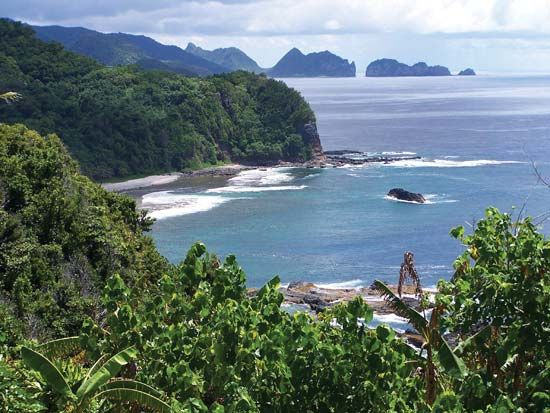
The management and visitor experience of the National Park of American Samoa are deeply rooted in the preservation of the traditional fa‘a Samoa (the Samoan way of life).
A defining management feature is the unique land-tenure arrangement: while the U.S. National Park Service oversees the park, the land remains under the ownership of the Samoan people. By leasing the land to the park service rather than ceding it, the local community retains the right to utilize the environment in their traditional fashion. This ensures that the park functions as a living landscape where cultural heritage is maintained alongside ecological conservation.12
For visitors, this cultural influence is evident in the protection of significant historical sites, such as the village of Saua on the island of Tau, which is considered by many to be the birthplace of the Polynesian people. Additionally, the park preserves artifacts and sites that reflect the historical importance of local wildlife, such as star-shaped mounds once used for trapping the lupe (Pacific pigeon).1
How does the land ownership system in American Samoa affect the management of the national park?
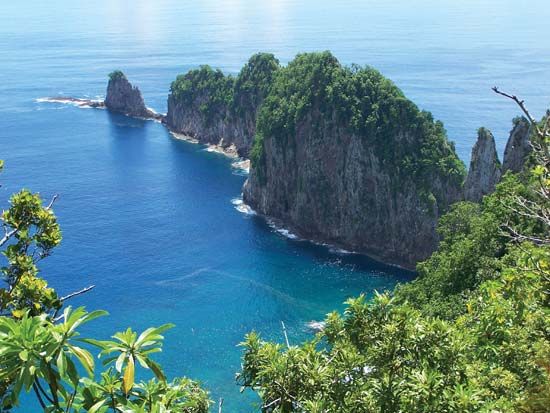
The land ownership system of the National Park of American Samoa is a unique departure from the standard model of government-owned national parks. Although the park is managed as a unit of the U.S. National Park Service, the land itself remains under the ownership of the Samoan people.1
This arrangement significantly affects management by establishing a lease-based partnership rather than a transfer of title. Because the local people retain ownership, they are permitted to continue using the land in their traditional fashion. This structure ensures that the park serves as a protected environment that respects and integrates the cultural heritage and customary practices of the Samoan community, allowing for the preservation of both natural resources and significant cultural sites within a living landscape.1
How does the National Park of American Samoa contribute to the local economy and community?
The National Park of American Samoa contributes to the local community primarily by serving as a steward of both natural and cultural heritage while maintaining a unique land-tenure model. Because the land is owned by the Samoan people and leased to the U.S. National Park Service, the local community retains the right to use the land in their traditional fashion, ensuring that the park functions as a living landscape that preserves the fa‘a Samoa (the Samoan way of life) alongside ecological conservation.12
Beyond its role in cultural preservation, the park protects significant historical sites, such as the village of Saua, which is considered the birthplace of the Polynesian people, and various artifacts that reflect the historical importance of local wildlife. While the provided search results do not explicitly detail specific economic metrics, the park’s management structure directly supports the community by safeguarding the environment and cultural sites that define the region’s identity.1
Sources
- National Park of American Samoa — Encyclopædia Britannica
- American Samoa - Cultural life — Encyclopædia Britannica
- Samoa - Plant and animal life — Encyclopædia Britannica
- American Samoa - History of American Samoa — Encyclopædia Britannica
- national park — Encyclopædia Britannica
Published on · 3 min read