Tuna
There are seven distinct species within the genus Thunnus, which are highly valued as commercial fish. While they share a streamlined, robust body shape and…
What are the different species of tuna and how do they differ?
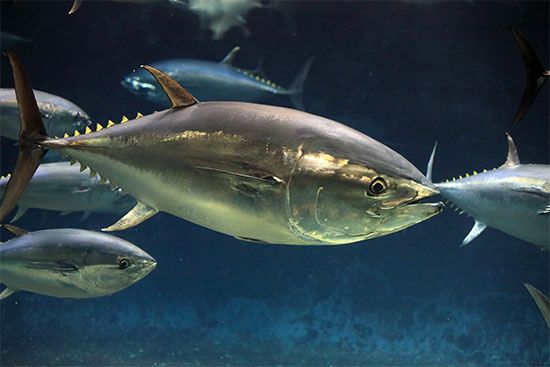
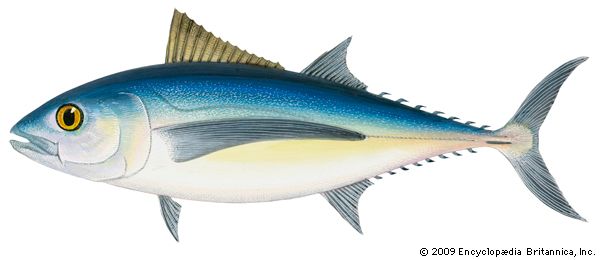
There are seven distinct species within the genus Thunnus, which are highly valued as commercial fish. While they share a streamlined, robust body shape and a unique vascular system that allows them to maintain body temperatures higher than the surrounding water, they differ significantly in size, appearance, and geographic range.1
The seven species of Thunnus include:
- Northern bluefin tuna (T. thynnus): The largest of the group, reaching up to 4.3 meters and 800 kg. It is characterized by yellow finlets and silvery markings.1
- Southern bluefin tuna (T. thynnus maccoyii): A close relative of the northern bluefin.1
- Yellowfin tuna (T. albacares): Known for its yellow fins and a golden stripe along its sides; it reaches weights of up to 180 kg.1
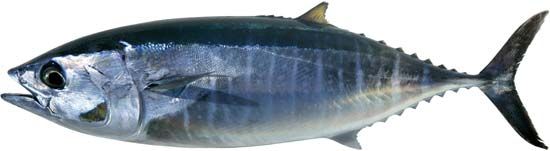
- Albacore (T. alalunga): Distinguished by a shining blue stripe on each side, typically growing to about 36 kg.1
- Bigeye tuna (T. obesus): A robust fish identified by its relatively large eyes.1
- Blackfin tuna (T. atlanticus): Limited primarily to the western Atlantic.1
- Longtail tuna (T. tonggol): Found in the Indo-Pacific region.1
Other species, such as the skipjack tuna, are related but belong to different genera.1
What is the economic importance of tuna in the global fishing industry?
Tuna species within the genus Thunnus are of immense global commercial value, serving as a primary source of seafood and a significant driver of international fishing economies. Species such as albacore and yellowfin are particularly popular, with their canned meat representing one of the most widely consumed seafood products worldwide.1
The economic importance of tuna extends beyond the catch itself:
- Global Industry: While coastal nations often focus on smaller species, high-value pelagic fish like tuna are primarily targeted by major fishing nations, including Japan, the United States, South Korea, and Russia.23
- Revenue for Developing Nations: Many tuna populations reside within the 200-nautical-mile exclusive economic zones of smaller island nations. These countries generate significant national income by selling fishing rights to technologically advanced foreign fleets.23
- Infrastructure: The industry supports the development of processing facilities and related infrastructure, particularly in the Pacific region.3
However, the industry faces critical sustainability challenges. Overfishing, particularly of the northern bluefin tuna, has led to significant population declines, prompting calls for stricter harvesting regulations.1
What methods are used to catch tuna and how do these impact sustainability?
Tuna are primarily harvested using two major commercial methods, each with distinct implications for marine ecosystems and sustainability.
Primary Fishing Methods
- Pole-and-Line Fishing: This method involves using bamboo or fiberglass rods to catch tuna individually. Vessels attract schools of fish by “chumming” with live bait and spraying water to camouflage the boat. Because fish are caught one by one, this technique is highly selective and allows for the immediate release of nontarget species.4
- Purse Seining: This industrial-scale method uses large nets to surround entire shoals of fish. A rope at the bottom of the net is pulled tight—like a drawstring purse—to trap the catch. While efficient for large-scale operations, these nets can be indiscriminate, often capturing nontarget marine life alongside the intended tuna.56
Sustainability and Environmental Impact
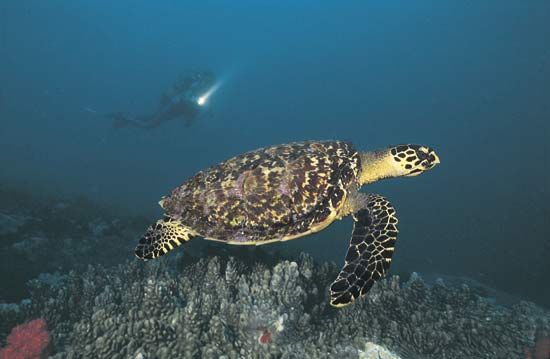
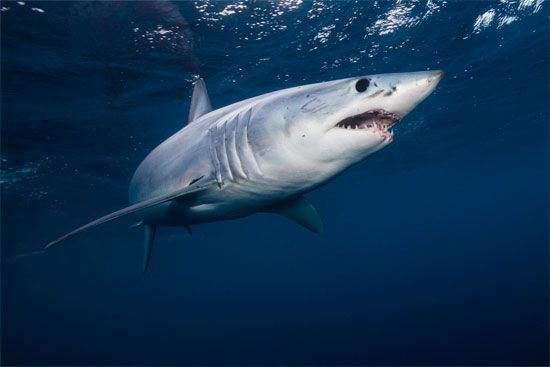
The primary sustainability concern in tuna fishing is bycatch, the accidental capture of nontarget organisms such as sea turtles, sharks, and cetaceans. While tuna fisheries generally have lower discard rates (around 5%) compared to other sectors, the use of large-scale nets remains a significant threat to marine biodiversity.7
Overfishing is a critical global issue; it is estimated that stocks of large fish have declined by 90%, and nearly 90% of marine fish stocks are fully exploited or overfished. To mitigate these impacts, international frameworks and Regional Fisheries Management Organizations work to regulate catches, while technological innovations—such as turtle excluder devices and acoustic pingers—aim to reduce accidental mortality.87
What is a tuna fish?
Tuna are any of seven species of oceanic fishes belonging to the genus Thunnus within the family Scombridae. These fish are characterized by their robust, streamlined bodies, forked tails, and a unique vascular system that allows them to maintain body temperatures significantly higher than the surrounding water, supporting their active, migratory lifestyles.1
The seven species include the northern bluefin tuna, albacore, yellowfin tuna, southern bluefin tuna, bigeye tuna, blackfin tuna, and longtail tuna. They vary greatly in size, with the northern bluefin reaching up to 4.3 meters and 800 kg. While they inhabit tropical and temperate waters worldwide, some species, such as the albacore and northern bluefin, are known for extensive migrations across ocean basins.19
Tuna are of immense commercial importance, particularly for the canned food industry. Due to their popularity, some populations have faced significant declines from overfishing, leading to ongoing debates regarding conservation and management.1
Sources
- tuna — Encyclopædia Britannica
- Indian Ocean - Fisheries — Encyclopædia Britannica
- Pacific Ocean - Fisheries — Encyclopædia Britannica
- commercial fishing - Pole-and-line fishing — Encyclopædia Britannica
- bycatch — Encyclopædia Britannica
- commercial fishing - Seines — Encyclopædia Britannica
- commercial fishing - Purse seiners — Encyclopædia Britannica
- commercial fishing - History of commercial fishing — Encyclopædia Britannica
- Migration - Oceanodromous fish — Encyclopædia Britannica
Published on · 4 min read