Apalachee Bay
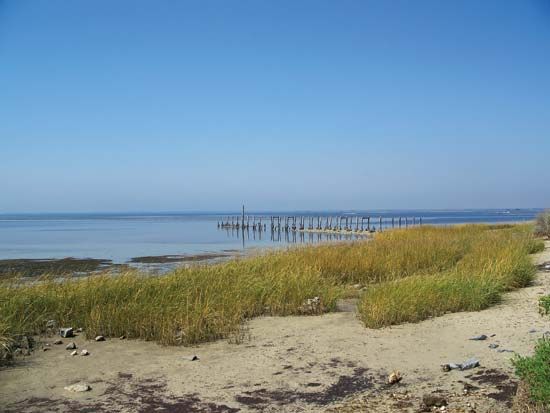
Apalachee Bay is an arm of the Gulf of Mexico that indents the northern coast of Florida, located approximately 25 miles south of Tallahassee.
What is Apalachee Bay?
Apalachee Bay is an arm of the Gulf of Mexico that indents the northern coast of Florida, located approximately 25 miles south of Tallahassee.1
The bay is named after the Apalachee people, a Muskogean-speaking tribe that historically inhabited the region between the Aucilla and Apalachicola rivers. The area is characterized by a marshy coastline, which includes the St. Marks National Wildlife Refuge, and it receives water from several rivers, including the Ochlockonee, St. Marks, Econfina, and Aucilla.12
Historically, the bay is noted as the site where Spanish explorer Pánfilo de Narváez constructed five boats in 1528 to abandon his expedition in Florida and attempt to reach Mexico. Today, the region features protected natural areas such as the Ochlockonee River State Park, situated at the mouth of the Ochlockonee River.1
Who were the Apalachee people?
The Apalachee were a Muskogean-speaking tribe of North American Indians who historically inhabited northwestern Florida, specifically the region between the Aucilla and Apalachicola rivers near Apalachee Bay.23
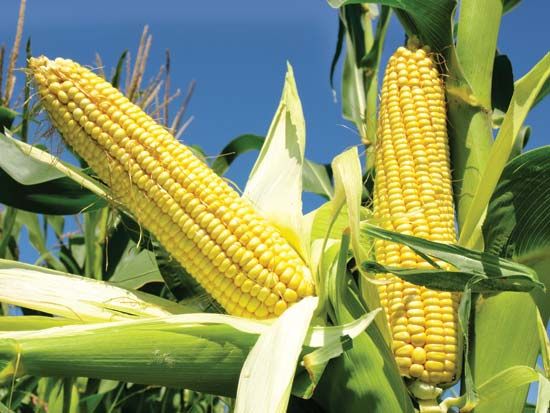
Traditionally, the Apalachee were an agricultural society that cultivated corn and squash. Their social structure was organized into clans that traced descent through the maternal line, with hereditary chieftainship.2
Following contact with Spanish explorers like Pánfilo de Narváez in 1528, the tribe was missionized by Franciscan friars around 1600. While they prospered for a time, the tribe faced devastating raids in the early 18th century by British-incited Creek warriors. The 1703 defeat of the Apalachee and their Spanish allies led to the near-destruction of the tribe, with survivors dispersing to Carolina, Mobile, and Louisiana.2
What is the purpose of the St. Marks National Wildlife Refuge?
The St. Marks National Wildlife Refuge serves as a vital protected area along the marshy coastline of Apalachee Bay. Its primary purpose is to provide a sanctuary for diverse wildlife and preserve the natural integrity of the coastal ecosystem in northern Florida.
By safeguarding these wetlands, the refuge helps maintain the environmental health of the region where the St. Marks, Ochlockonee, Econfina, and Aucilla rivers meet the Gulf of Mexico. These habitats are essential for supporting local biodiversity and protecting the shoreline from erosion.
We could dive deeper into the specific types of migratory birds or aquatic species that rely on this refuge for survival.
What was the significance of Pánfilo de Narváez’s expedition?
The expedition led by Pánfilo de Narváez in 1528 is significant primarily as one of the earliest European attempts to explore and colonize Florida. Authorized by Charles V, the mission aimed to subdue and settle vast territories from Florida westward, marking a pivotal, albeit disastrous, chapter in early Spanish colonial history.4
The expedition faced immediate catastrophe, including desertions and a hurricane in Cuba. Upon landing near Tampa Bay, the force of 300 men endured a grueling overland march characterized by constant conflict with Native Americans. After failing to rendezvous with their support ships, the survivors were forced to construct makeshift vessels to navigate the Gulf of Mexico. The mission ended in tragedy; Narváez disappeared at sea, and of the hundreds who set out, only four men ultimately survived.4
Sources
- Apalachee Bay — Encyclopædia Britannica
- Apalachee — Encyclopædia Britannica
- Apalachee — Merriam-Webster
- Pánfilo de Narváez — Encyclopædia Britannica
Published on · 2 min read