Arguin Island
Arguin Island is a small island located off the coast of Mauritania, situated approximately 50 miles southeast of Cape Blanc within the sheltered Arguin Bay.…
What is Arguin Island?
Arguin Island is a small island located off the coast of Mauritania, situated approximately 50 miles southeast of Cape Blanc within the sheltered Arguin Bay. Measuring about 4 by 2.5 miles, the island became part of independent Mauritania in 1960.1
Due to the island’s arid climate and lack of suitable anchorage, there are no permanent settlements on the land itself. However, the surrounding area is ecologically and economically significant: the coastal reefs, referred to as the Arguin Banks, serve as vital fishing grounds. Additionally, the island is a notable site for turtle fishing and is a source of gum arabic.1
What is the significance of the Arguin Banks for marine life?
The Arguin Banks, located along the Atlantic coast of Mauritania, are of immense ecological importance. These coastal reefs serve as major fishing grounds and are a critical habitat for diverse marine and avian life.12
The area is home to the Banc d’Arguin National Park, which was designated a UNESCO World Heritage site in 1989. This region is particularly significant for hosting a large variety of migratory birds, providing them with essential refuge and resources. Additionally, the waters surrounding the nearby Arguin Island are known for supporting turtle populations, further highlighting the area’s role in marine biodiversity.21
How did European explorers use Arguin Island in the past?
The provided search results do not contain information regarding the historical use of Arguin Island by European explorers. Consequently, I cannot provide details on that specific topic.
What is gum arabic and how is it harvested?
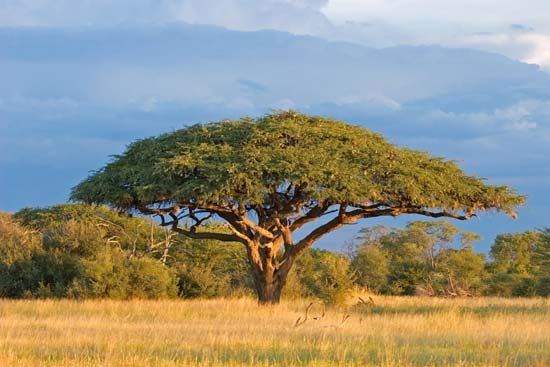
Gum arabic is a dried, water-soluble polysaccharide exudate primarily harvested from two species of acacia trees, Acacia senegal and A. seyal, native to sub-Saharan Africa. It functions as a hydrocolloid, meaning it forms a gel when mixed with water, and has been used for thousands of years in applications ranging from ancient embalming to modern food production, pharmaceuticals, and art supplies.34
Harvesting Process
The harvesting of gum arabic typically occurs at the end of the rainy season from mature trees between 5 and 25 years old. The process involves the following steps:
- Incision: Workers make incisions in the stems and branches of the trees and strip away the surrounding bark.34
- Exudation: Over several weeks, the tree produces gum that seeps into these incisions as a protective response to the damage, a process known as gummosis.34
- Collection: As the gum is exposed to air, it dries into nodules. These nodules are collected every two to four weeks.3
- Drying and Sorting: The collected nodules are dried completely in the sun, then visually inspected and sorted by size before being sold as crude or refined products.3
Sources
- Arguin Island — Encyclopædia Britannica
- Mauritania - Plant and animal life — Encyclopædia Britannica
- gum arabic — Encyclopædia Britannica
- gum arabic — Merriam-Webster
- gum — Encyclopædia Britannica
- acacia — Encyclopædia Britannica
Published on · 2 min read