Ascension
During World War II, Ascension Island served as a vital strategic asset for the Allied war effort. Most notably, U.S. Army engineers constructed the airfield…
What role did Ascension Island play during World War II?
During World War II, Ascension Island served as a vital strategic asset for the Allied war effort. Most notably, U.S. Army engineers constructed the airfield known as Wideawake Airfield on the island. This facility provided a critical base for operations in the South Atlantic Ocean, enhancing the Allies’ ability to monitor and control maritime routes during the conflict.1
What is the geographical location and physical characteristics of Ascension Island?
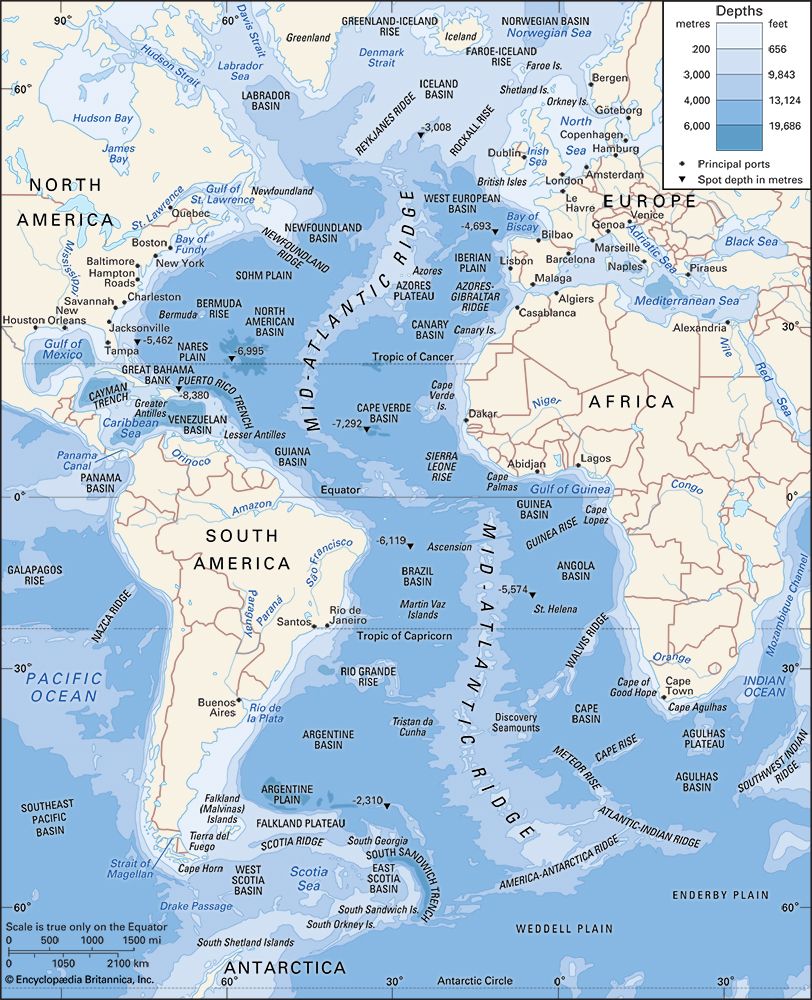
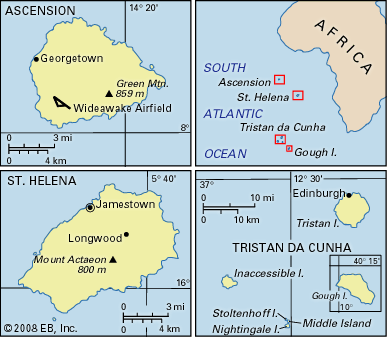
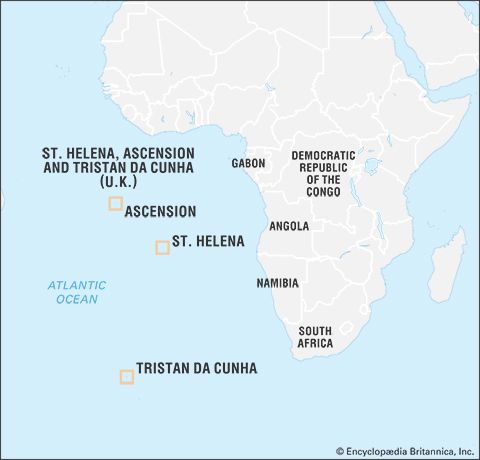
Ascension is an island located in the South Atlantic Ocean and is part of the British overseas territory of St. Helena, Ascension and Tristan da Cunha. It is situated approximately 700 miles (1,100 km) northwest of St. Helena.1
The island’s physical landscape is primarily a desert characterized by dormant volcanic craters and extensive lava flows. It lacks surface streams, relying instead on desalinization plants for the majority of its water supply, though some water is collected via basins on Green Mountain. Green Mountain, which reaches an elevation of 2,817 feet (859 metres), is the only area where agriculture and livestock raising occur. The island’s sandy beaches are notable as critical nesting sites for green sea turtles. Covering an area of 34 square miles (88 square km), the island is administered from its main settlement, Georgetown.1

How does Ascension Island’s strategic location impact its importance in global communications and military operations?
Ascension Island’s isolated position in the South Atlantic Ocean makes it a uniquely valuable site for global communications and military operations. Its strategic importance is rooted in its ability to serve as a hub for international telecommunications and as a critical staging point for defense activities.1
Global Communications
Since 1922, the island has functioned as a major telecommunications center. Entities such as Cable & Wireless PLC (now Sure) and the British Broadcasting Corporation have maintained significant facilities on the island. These operations, alongside satellite-tracking activities, remain a primary pillar of the local economy.1
Military and Intelligence Operations
The island’s geography allows it to host essential infrastructure for various international organizations, including the U.S. Air Force, the Royal Air Force, NASA, the European Space Agency, and intelligence agencies from both the U.S. and the U.K. Wideawake Airfield, constructed during World War II, proved decisive during the Falkland Islands War in 1982, demonstrating the island’s enduring role as a strategic base for power projection and logistics in the South Atlantic.1
How do people travel to and from Ascension Island?
Travel to and from Ascension Island is limited, as the island is primarily a strategic military and communications hub rather than a commercial tourist destination. Access is available via both air and sea:
- Air Travel: The island is served by Wideawake Airfield, which was constructed by U.S. Army engineers during World War II. The Royal Air Force (RAF) operates flights that transport a limited number of passengers between the United Kingdom and the Falkland Islands, with Ascension serving as a stopover point.1
- Sea Travel: Access by boat is restricted. While cruise ships occasionally visit the island, private yachts may only anchor at the discretion of the harbour master, who determines if passengers and crew are permitted to go ashore.1
Because the island has only a small number of facilities for overnight accommodations and tourist services, travel is generally restricted to those with specific business or authorized access.1
Sources
- Ascension — Encyclopædia Britannica
Published on · 3 min read