Astipálaia
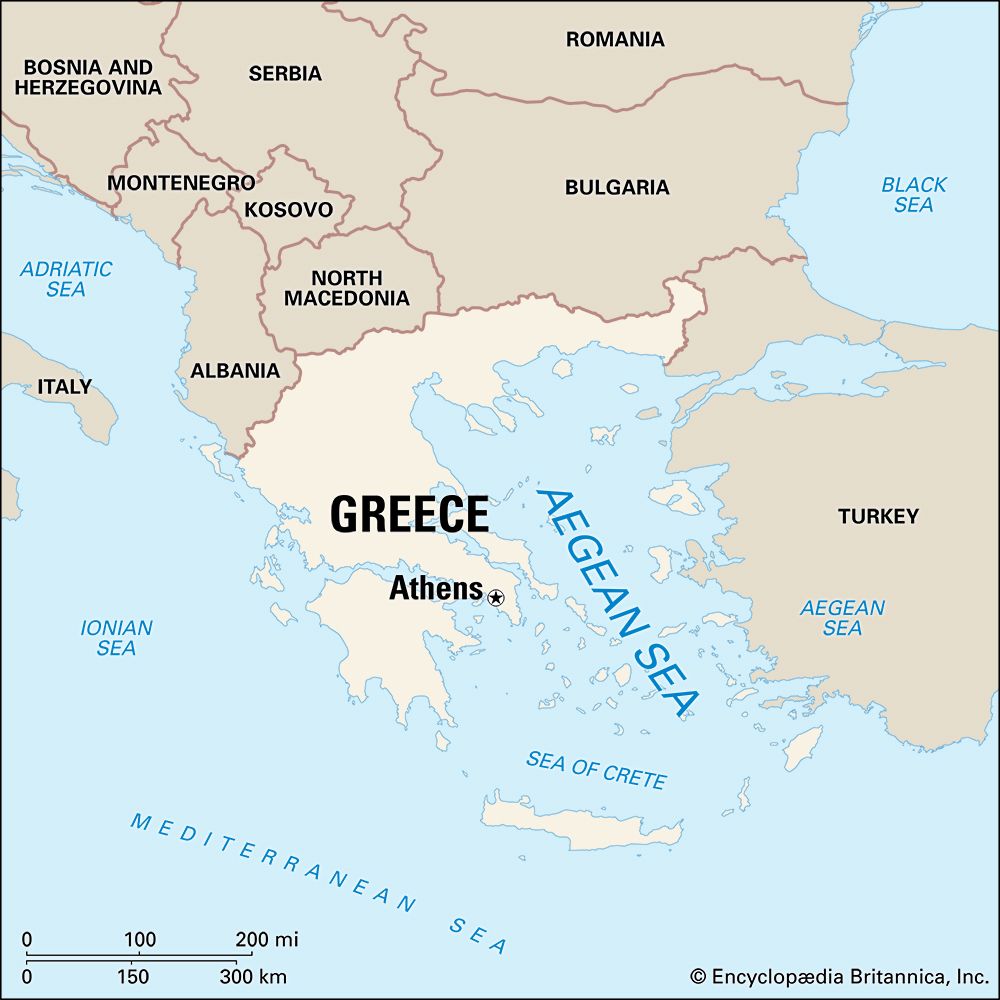
Astipálaia, the westernmost island of the Greek Dodecanese chain, is characterized by its unique geography and historical significance. The island is formed…
What are the main attractions and landmarks on Astipálaia island?
Astipálaia, the westernmost island of the Greek Dodecanese chain, is characterized by its unique geography and historical significance. The island is formed by two distinct mountain masses connected by a narrow isthmus, a feature that historically provided shelter for the ancient Roman fleet.1
Key locations on the island include:
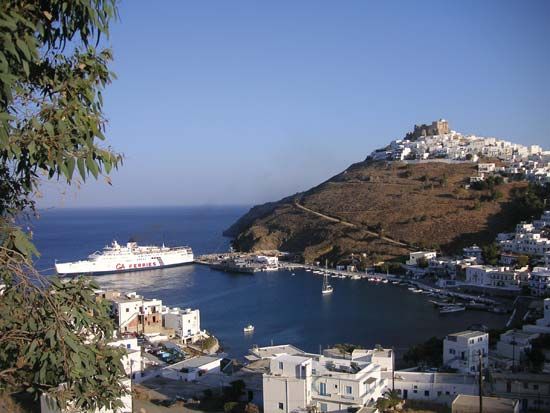
- Astipálaia (Kastéllo): The capital of the island, which serves as the primary administrative center.1
- Periyiálion: A port located on the west side of Maltezána Bay, which forms a commune with the capital.1
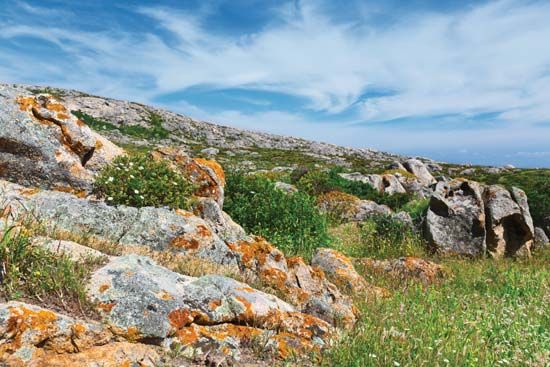
While the island is known for its rugged, indented coastline and precipitous cliffs, specific tourist attractions or landmarks are not detailed in the available records. The island’s history is marked by its ancient colonization by Dorians from Epidaurus and its subsequent rule by various powers, including the Venetians and the Ottoman Empire, before its eventual integration into modern Greece.1
How has the population of Astipálaia changed over the years, and what factors have influenced these changes?
The population of Astipálaia has remained relatively stable in recent years, with recorded figures of 1,385 in 2001 and 1,334 in 2011.1
While specific historical population trends are not extensively documented in the available data, the island’s demographic history has been shaped by its complex political status. Throughout centuries of shifting governance—including periods under Venetian, Ottoman, and Italian rule—the islanders have navigated various external pressures. Notably, during the period of Italian administration in the early 20th century, restrictive policies, such as the mandatory adoption of Italian citizenship and the imposition of the Italian language, prompted significant numbers of residents to migrate to the United States.13
Today, the island’s economy and population stability are influenced by broader regional factors, including the development of tourism across the Dodecanese group, which has helped mitigate economic deficits common to many of these islands.3
How does Astipálaia’s transportation system connect it to other Greek islands and the mainland?
The provided information does not contain details regarding the current transportation system, such as ferry routes or air travel, that connect Astipálaia to the Greek mainland or other islands. While the island is identified as the westernmost of the Dodecanese chain located in the Aegean Sea, the available records focus on its geography, historical governance, and population statistics rather than its modern infrastructure.1
What is the history of Astipálaia and its significance in ancient Greek culture?
Astipálaia, the westernmost island of the Dodecanese in the Aegean Sea, possesses a rich history rooted in ancient Greek migration. While it may have been a possession of Crete prior to 1400 BCE, the island was later colonized by Dorians from Epidaurus in the Argolís region of the Peloponnese. This heritage remains significant today, as the local dialect continues to reflect these Argive origins.1
Throughout antiquity, the island’s strategic geography—characterized by two mountain masses connected by a narrow isthmus—provided shelter for the ancient Roman fleet. Politically, the island experienced various shifts in power, falling under the influence of Athens, Macedonia, and Egypt. Despite these external pressures, it maintained a notable degree of independence during the Roman period.1
Following these ancient eras, the island underwent centuries of changing governance, including Venetian rule and long periods under Turkey, before eventually being incorporated into Greece after World War II.1
Sources
- Astipálaia — Encyclopædia Britannica
- list of islands - Greece — Encyclopædia Britannica
- Dodecanese — Encyclopædia Britannica
Published on · 2 min read