Acacia
Acacia is a genus of approximately 160 species of trees and shrubs belonging to the pea family. These plants are primarily native to tropical and subtropical…
What are the main characteristics and features of acacia trees?
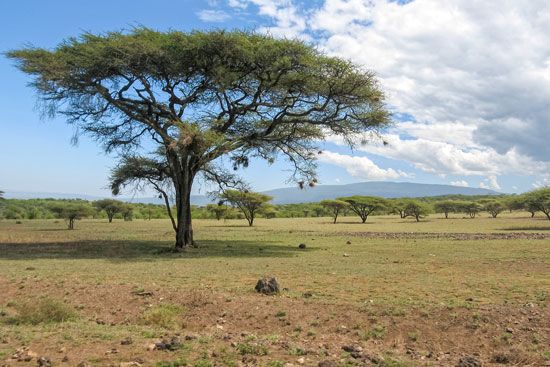
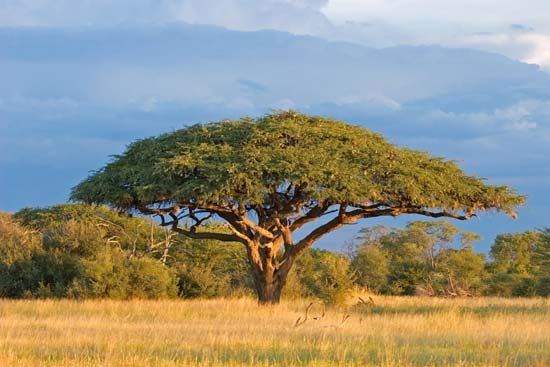
Acacia is a genus of approximately 160 species of trees and shrubs belonging to the pea family. These plants are primarily native to tropical and subtropical regions, notably Australia—where they are known as wattles—and Africa, where they are iconic features of the savanna and veld.1
Physical Characteristics
- Leaves: Many species feature small, feathery, pinnate leaflets. In numerous Australian and Pacific species, these leaflets are absent; instead, the flattened leafstalks perform the plant’s physiological functions.1
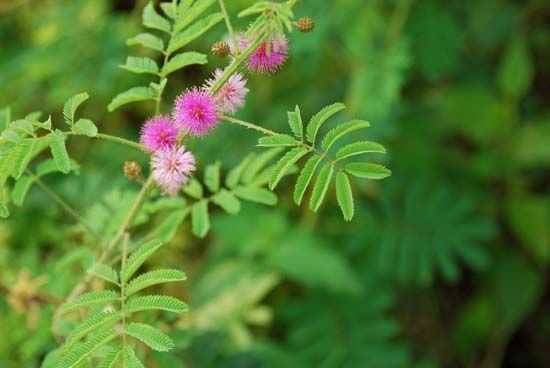
- Flowers: Acacias are known for their small, fragrant flowers arranged in compact, fuzzy-looking globular or cylindrical clusters, typically yellow or white in color.1
- Defense: The base of the leafstalks may feature sharp, curved prickles or thorns.1
- Fruit: The fruit of the acacia is a legume, which varies significantly in appearance between species.1
Economic Importance
Acacias are economically valuable for their tannin-rich bark, used in tanning and dyes, and for producing gum arabic. Certain species, such as Acacia koa, are also prized for their timber.1
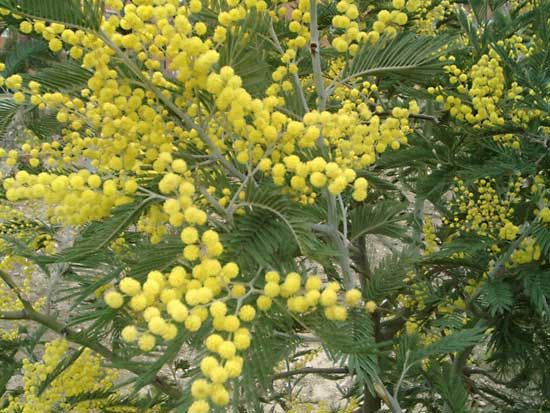
Where are acacia trees commonly found, and in what type of climates do they thrive?
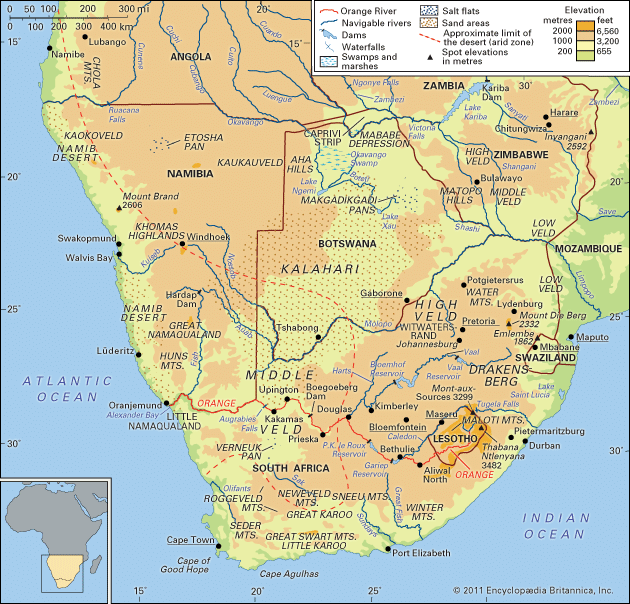
Acacia trees are primarily native to tropical and subtropical regions across the globe. They are particularly prominent in Australia, where they are commonly referred to as wattles, and in Africa, where they serve as iconic landmarks within the savanna and veld landscapes.1
These trees thrive in a variety of environments, ranging from moist areas to significantly drier, arid regions. In many of these habitats, they are well-adapted to survive seasonal dry periods. For instance, in the drier savannas of East Africa and India, acacias are frequently found as thorny, drought-resistant trees. In Australia, many species are sclerophyllous, meaning they possess tough leaves that help them reduce water loss, allowing them to persist in diverse climates. Additionally, some species, such as the sweet acacia (Vachellia farnesiana), are native to the warmer, arid environments of the southwestern United States and Mexico.21
What are some of the most well-known species of acacia, and how do they differ?
Several species within the genus Acacia (and its related genera Vachellia and Senegalia) are notable for their distinct economic and physical characteristics. While many species share the classic feathery, pinnate leaves and yellow, fuzzy flower clusters, they differ significantly in their utility and regional adaptations.1
Notable Species and Their Differences
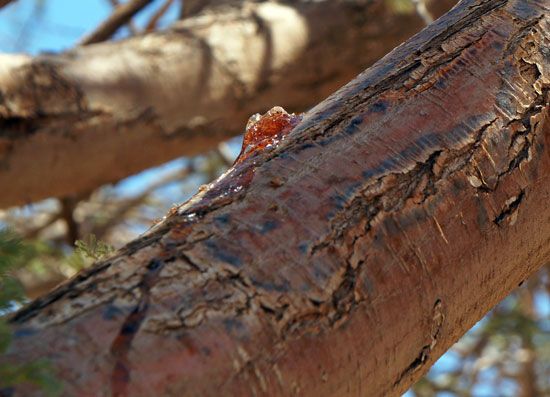
- Gum Acacia (Acacia senegal): Native to the Sudan region, this species is the primary source of high-quality gum arabic. It is a vital economic resource in the African “gum belt,” yielding a hard, high-quality exudate used in food, pharmaceuticals, and art.13
- Talha (Acacia seyal): Also found in sub-Saharan Africa, this species produces a lower-quality, brittle gum known as Talha gum. It is distinct from A. senegal in the quality and chemical composition of its exudate.3
- Koa (Acacia koa): Endemic to Hawaii, this tree is prized for its fine-grained, red timber used in high-quality furniture. Unlike many other acacias, it features crescent-shaped phyllodes rather than traditional feathery leaflets.14
- Babul Tree (Vachellia nilotica): Formerly classified as Acacia arabica, this species is widespread across Africa and Asia. It is economically significant for its tannin-rich bark, which is extensively used in India for tanning and dyes.1
- Australian Wattles: Species such as the golden wattle (A. pycnantha) and silver wattle (A. dealbata) are primarily valued for their tannin content and spectacular floral displays, often serving as ornamental trees.1
These species illustrate the diversity of the group, ranging from those harvested for industrial resins to those valued for their durable timber or aesthetic contributions to the landscape.1
How do acacia trees survive in dry savanna environments?
Acacia trees have evolved several specialized adaptations to survive the long, moisture-deficient dry seasons characteristic of savanna environments. Their survival strategies primarily focus on accessing deep water sources and minimizing water loss.1
Key Survival Adaptations
- Deep Root Systems: Unlike shallow-rooted grasses that die back during dry periods, acacia trees possess deep root systems that allow them to tap into groundwater reserves located far beneath the soil surface, ensuring they have access to water even when surface moisture is exhausted.12
- Leaf Modification and Shedding: To reduce transpirational water loss, many acacia species shed their leaves during the dry season. Furthermore, many are sclerophyllous, meaning they feature small, tough, or leathery leaves that are structurally adapted to minimize water loss. In some species, the leaflets are suppressed entirely, and the flattened leafstalks (petioles) perform the necessary physiological functions of leaves while reducing the surface area exposed to the air.12567
- Physical Defenses: Acacias are often equipped with thorns or sharp, curved prickles at the base of their leafstalks. These defenses help protect the trees from herbivores that might otherwise consume their foliage during periods when other food sources are scarce.61
Sources
- acacia — Encyclopædia Britannica
- Savanna - Flora — Encyclopædia Britannica
- gum arabic — Encyclopædia Britannica
- koa — Merriam-Webster
- Savanna - Population and community development and structure — Encyclopædia Britannica
- Thorn forest — Encyclopædia Britannica
- Tree - Leaf adaptations — Encyclopædia Britannica
Published on · 4 min read