Azores
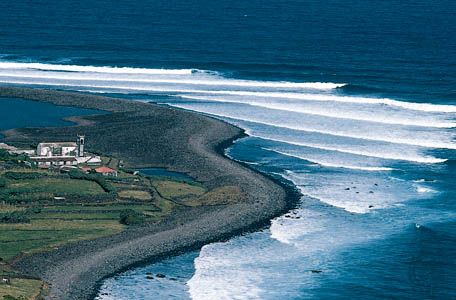
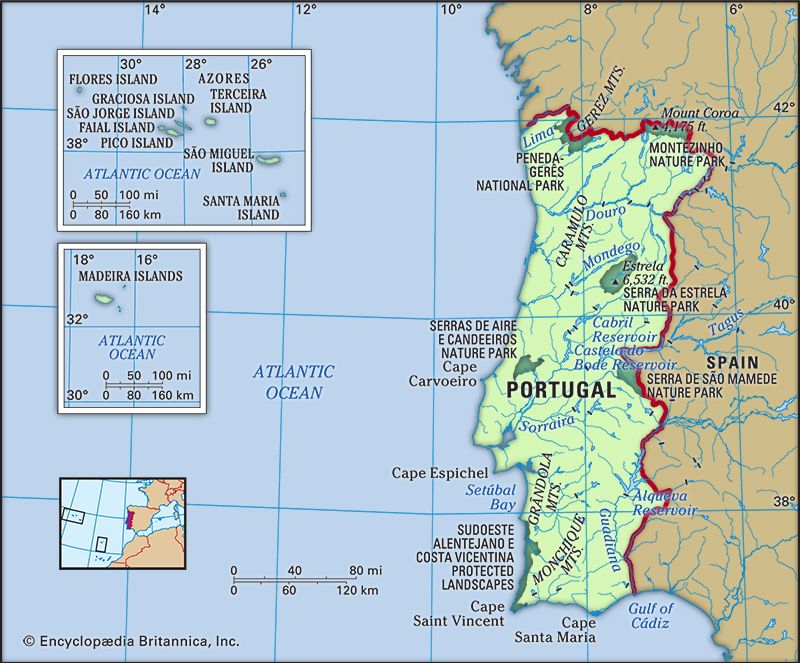
The Azores are an archipelago and autonomous region of Portugal located in the North Atlantic Ocean. The island chain is situated roughly 1,000 miles (1,600…
Where are the Azores located and how many islands make up the archipelago?
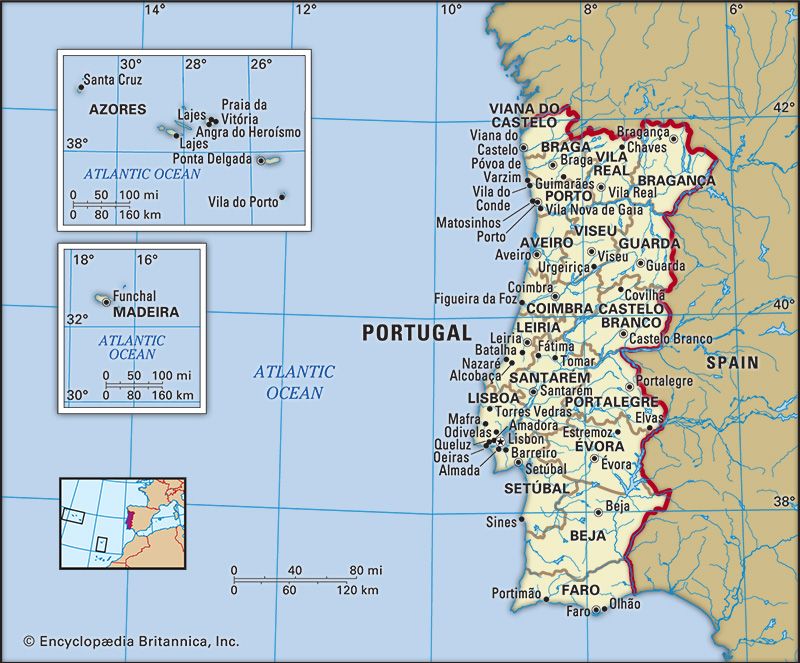
The Azores are an archipelago and autonomous region of Portugal located in the North Atlantic Ocean. The island chain is situated roughly 1,000 miles (1,600 km) west of the Portuguese mainland.1
The archipelago is composed of nine major islands, which are organized into three distinct groups:1
- Eastern group: São Miguel, Santa Maria, and the Formigas islets.
- Central group: Faial, Pico, São Jorge, Terceira, and Graciosa.
- Northwestern group: Flores and Corvo.
What are some popular tourist attractions and activities in the Azores?
The Azores offer a variety of attractions and activities centered on their unique volcanic landscape and natural beauty. Popular experiences include:
- Nature and Sightseeing: Visitors can explore deep volcanic craters (calderas) and lakes, such as Lake Furnas on São Miguel, where volcanic heat is used for cooking. The islands are also known for their scenic beauty, lush hillsides, and diverse flora.3
- Whale Watching: The archipelago is a premier destination for whale watching, with approximately 20 species of cetaceans that can be viewed in the surrounding waters.3
- Cultural and Historical Sites: Travelers can visit the UNESCO World Heritage site of Angra do Heroísmo on Terceira or explore the vineyard culture of Pico Island, which is also a designated World Heritage site.31
- Local Industry Tours: On São Miguel, visitors can tour the island’s tea plantations to observe traditional tea-making processes.3
- Resort Centers: Popular resort areas include Furnas and Sete Cidades, which serve as hubs for those visiting the region.4
We could dive deeper into the specific volcanic history of these islands or discuss the best times to visit for whale watching.
What is the geological origin of the Azores islands?
The Azores are purely oceanic islands formed through volcanic action, rising from the Mid-Atlantic Ridge in the North Atlantic Ocean.15
Geologically, the archipelago functions as a major mountain range that has emerged above sea level due to its position along the ridge system. This region is characterized by the movement of crustal plates that are pulling apart, a process known as seafloor spreading. As these plates diverge, molten magma from the mantle wells up to create new ocean floor and build volcanic structures.167
The islands remain geologically unstable, a fact evidenced by frequent earthquakes and ongoing volcanic activity. This activity has historically shaped the islands, such as the 1957–58 Capelinhos eruption that enlarged Faial. The prevalence of basalt—a rock type associated with volcanic eruptions along oceanic ridges—is a defining feature of the islands’ composition and local architecture.167
What are some of the main economic activities and industries in the Azores?
The economy of the Azores is supported by a mix of traditional agricultural practices, fishing, and a growing service sector.
Agriculture and Livestock
Intensive agriculture remains a cornerstone of the islands’ economy. Key products include:
- Crops: Farmers produce cereals such as wheat and corn (maize), as well as vegetables and fruits, notably pineapples.18
- Viticulture: Wine production is significant, with the vineyard culture of Pico Island recognized as a UNESCO World Heritage site) World Heritage site.1
- Dairy and Meat: The region is a notable producer of high-quality dairy products, including cured cheese from São Jorge, as well as meat.18
- Specialty Crops: São Miguel is home to unique tea plantations, which are among the only ones in Europe.1
Fishing and Industry
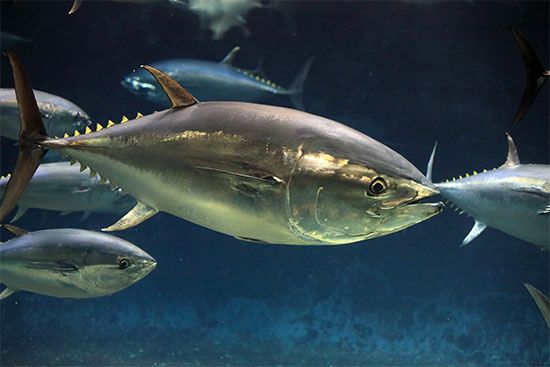
- Fishing: The surrounding waters are rich in marine life, and the region contributes to the national fishing industry, particularly through the catch of tuna.3
- Trade: A free-trade zone has been established on Santa Maria to encourage economic activity.1
Tourism and Services
The scenic beauty of the islands has made tourism an increasingly vital industry. Popular activities include whale watching—which replaced the historical whaling industry—and visits to resort centers like Furnas and Sete Cidades.18
Sources
- Azores — Encyclopædia Britannica
- Portugal - Local government — Encyclopædia Britannica
- São Miguel Island — Encyclopædia Britannica
- Portugal - Cultural life — Encyclopædia Britannica
- Mid-Atlantic Ridge — Encyclopædia Britannica
- Atlantic Ocean - Islands of the Atlantic Ocean — Encyclopædia Britannica
- volcanism — Encyclopædia Britannica
- Portugal - Agriculture, forestry, and fishing — Encyclopædia Britannica
- Portugal - Services — Encyclopædia Britannica
Published on · 3 min read