Barracuda
Barracudas are primarily found in all warm and tropical regions of the ocean, though some species also inhabit more temperate areas. For instance, the great…
Where are barracudas typically found in the ocean?
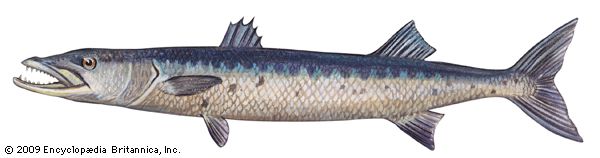
Barracudas are primarily found in all warm and tropical regions of the ocean, though some species also inhabit more temperate areas. For instance, the great barracuda is specifically known to inhabit the Atlantic, Caribbean, and western Pacific oceans.1
It is important to note that barracudas are distinct from barracudinas, which are deep-water fish found almost worldwide.2
Are there any dangers associated with barracudas for humans?
Barracudas can pose two primary types of danger to humans: physical injury and food poisoning.
Physical Attacks
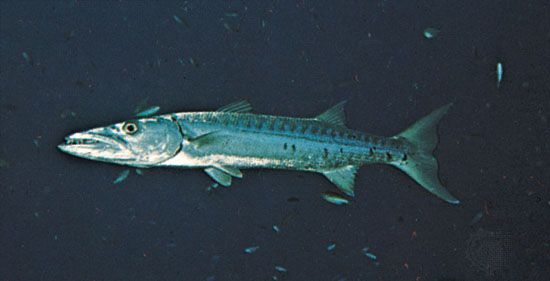
Barracudas are bold, inquisitive, and powerful predators known for their large mouths and sharp teeth. While the threat is often considered exaggerated, they are known to have attacked swimmers. These voracious fish can reach nearly 2 meters (6 feet) in length, and their predatory nature makes them potentially dangerous to humans in the water.13
Ciguatera Poisoning
A significant risk associated with barracudas is ciguatera, a form of food poisoning. Barracudas can become impregnated with a toxic substance that is passed up the food chain, likely originating from toxic marine algae.13
- Inconsistency: A fish that is perfectly safe to eat in one location may be highly toxic if caught only a few hundred miles away.3
- Symptoms: Ciguatera poisoning can cause severe gastrointestinal and neurological symptoms, including nausea, vomiting, muscular weakness, and a characteristic reversal of temperature sensation, where cold objects feel hot and vice versa.34
How many species of barracuda exist, and what are some of the most common ones?
There are approximately 20 species of barracuda belonging to the family Sphyraenidae. It is important to distinguish these from the barracudina, a separate family of deep-water fish that includes about 50 species.12
Among the most notable species is the great barracuda (Sphyraena barracuda). This species is widely recognized for its significant size, often reaching lengths between 1.2 and 1.8 meters (4 to 6 feet). It is found across the Atlantic, Caribbean, and western Pacific oceans and is frequently sought after as both a sport fish and a food source, despite the risk of ciguatera poisoning in certain regions.15
While the great barracuda is the most prominent member of the family due to its size and reputation, the remaining species vary in size, with some being much smaller. These fish are generally characterized by their slender bodies, jutting lower jaws, and sharp, predatory teeth.1
What is ciguatera poisoning and how does it affect humans?
Ciguatera is a form of fish poisoning caused by the ingestion of tropical fish that are normally considered edible but have accumulated toxic substances in their flesh. These toxins are often produced by certain dinoflagellates and accumulate as they move up the food chain.6
Effects on Humans
Symptoms of ciguatera poisoning can appear immediately after consumption or be delayed for up to 30 hours. The illness affects the body in several ways:7
- Gastrointestinal distress: Common symptoms include nausea, vomiting, and diarrhea.7
- Neurological and muscular issues: Patients may experience weakness, numbness, muscle pain, and general itchiness.7
- Severity: While death is rare—occurring in less than 10 percent of cases—it is typically the result of respiratory paralysis.7
Because the conditions that make fish toxic are not always clear, the same species that is safe to eat in one region may be hazardous in another.7
Sources
- barracuda — Encyclopædia Britannica
- barracudina — Encyclopædia Britannica
- perciform - Danger to human life — Encyclopædia Britannica
- poison - Animal poisons ( zootoxins ) — Encyclopædia Britannica
- great barracuda — Merriam-Webster
- fish poisoning — Encyclopædia Britannica
- ciguatera — Merriam-Webster
Published on · 3 min read