Blenny
Blennies are a diverse group of marine fishes belonging to the suborder Blennioidei. While they vary significantly in appearance, they are generally defined…
What are the main characteristics that define blenny fish?
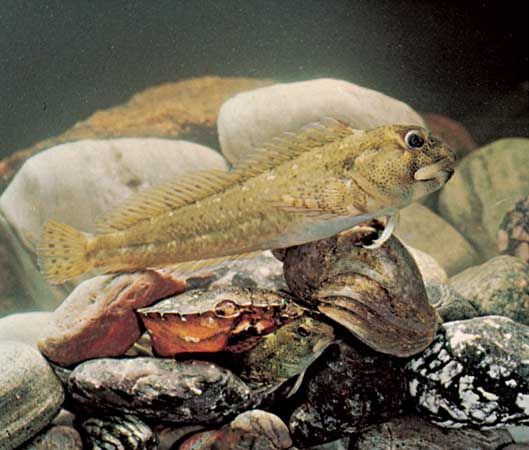
Blennies are a diverse group of marine fishes belonging to the suborder Blennioidei. While they vary significantly in appearance, they are generally defined by the following characteristics:
- Body Shape: Most blennies are slim, ranging from moderately elongated to very long and eel-like.12
- Fins: They are typically united by a long dorsal fin. When present, their pelvic fins are located near the throat and contain one spine and two to four rays. Some species may have reduced or absent pelvic fins.23
- Scales: Many blennies are scaleless or lack scales entirely.23
- Habitat: They are primarily bottom-dwelling fish found in environments ranging from tropical to cold seas, including rocky pools, sandy beaches, reefs, and kelp beds. Some species are specialized for tide pool existence.123
- Diet: Their feeding habits are varied; they may be detritivorous, herbivorous, or carnivorous.2
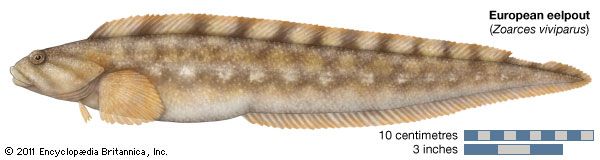
Taxonomically, the group includes families such as Clinidae and Blenniidae. While most are unobtrusive, some species exhibit unique behaviors, such as the rockskipper’s ability to move on land or the European eelpout’s unique method of nourishing its young.2
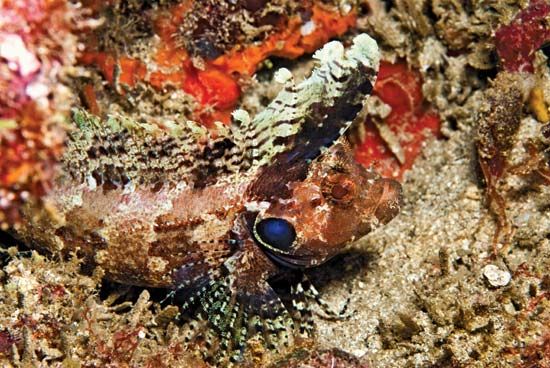
How do blennies differ from other types of fish in terms of behavior and adaptations?
Blennies exhibit a range of unique behavioral and physical adaptations that distinguish them from many other fish species. Their primary characteristics and adaptations include:
Behavioral Adaptations
- Territoriality: Blennies are well-known for marked territorial displays. When defending their space, they engage in behaviors such as flaring their gill covers, gaping their jaws, puffing their throats, raising their heads, and shaking their bodies.1
- Aggressive Mimicry: The sabre-toothed blenny (Aspidontus taeniatus) is a notable example of aggressive mimicry. It mimics the appearance and “dance” of the cleaner wrasse to approach unsuspecting fish, only to bite off pieces of their fins.4
- Terrestrial Movement: Some species, such as the rockskipper, have adapted to intertidal life and are capable of hopping about on land.5
- Unique Parental Care: The European eelpout (Zoarces viviparus) is the only known fish that suckles its offspring, providing nutrients directly from an ovarian follicle.5
Physical and Physiological Adaptations
- Camouflage: Many blennies utilize disruptive coloration to blend into their environments. For instance, Hypsoblennius sordidus can alter its pattern—shifting between “saddles” to match textured backgrounds like barnacles or horizontal stripes for evenly colored areas—to break up its body outline.6
- Swimming Mechanics: As a group, blennies tend to wriggle while swimming to counteract a natural tendency for the tail to sink.4
- Morphological Diversity: While generally slim and bottom-dwelling, they vary from moderately elongated to eel-like forms. Many species possess cirri (bushy skin bristles) on their heads or snouts, which may serve sensory functions.25
- Feeding Specializations: Their diets are highly adaptable, ranging from detritivorous and herbivorous to carnivorous, with some species possessing specialized comblike teeth for grazing.25
What is the typical diet of blenny fish?
The diet of blenny fish is highly varied across the suborder Blennioidei, reflecting their diverse ecological roles. Their feeding habits generally fall into the following categories:
- Detritivorous: Many blennies are detritivorous, meaning they consume dead plant and animal matter found in their environment2.
- Herbivorous: Some species are primarily herbivorous, feeding on algae and other plant material.12
- Carnivorous: Other species are partially or entirely carnivorous. For example, members of the family Clinidae are carnivorous, and some blenniids are known to nip at other organisms. Certain species, such as the Pacific Runula, are even noted for nipping at swimmers.2
Because blennies encompass a wide range of species, their specific diet often depends on their family and habitat. While some are specialized grazers with comblike teeth, others have evolved to exploit different food sources within their marine ecosystems.2
Where are blenny fish typically found in marine environments?
Blennies are a diverse group of fish found in marine environments ranging from tropical to cold seas worldwide. They are primarily bottom-dwelling creatures, though their specific habitats are quite varied.12
You can typically find them in the following environments:
- Coastal Zones: They frequently inhabit rocky pools, sandy beaches, and reefs.12
- Vegetated Areas: Many species make their homes within beds of kelp.12
- Depth Ranges: While a large number of blennies prefer shallow water, some species have been found at depths reaching approximately 450 meters (1,500 feet).12
- Water Column: While most are bottom-dwellers, the sabre-tooth clade (Aspidontus) is an exception, as it inhabits the water column rather than the seafloor.2
Additionally, some specialized species, such as the rockskipper, are adapted to live along shorelines where they can move about on land.2
Sources
- Did you know? — Merriam-Webster
- blenny — Encyclopædia Britannica
- Blennioidea — Merriam-Webster
- mimicry - The cleaner mimic — Encyclopædia Britannica
- perciform - Annotated classification — Encyclopædia Britannica
- perciform - Territorial activity — Encyclopædia Britannica
- coloration - Disruptive coloration — Encyclopædia Britannica
- Blenniidae — Merriam-Webster
Published on · 4 min read