Blackfish
The term "blackfish" is a common name applied to a variety of distinct animals rather than a single species.
What is blackfish?
The term “blackfish” is a common name applied to a variety of distinct animals rather than a single species.12
Fish
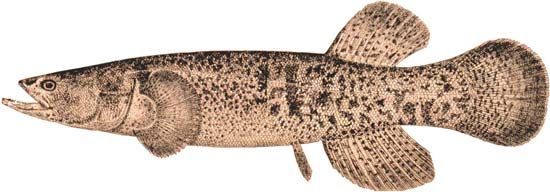
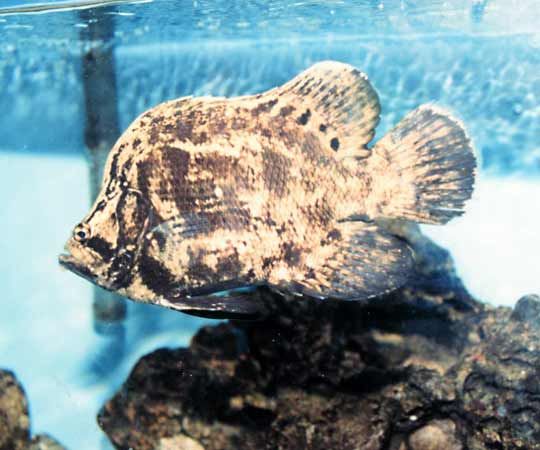
The name is frequently used for several dark-colored fish, most notably the tautog, a commercially important species of wrasse found along the Atlantic coast of North America. Other fish referred to as blackfish include:134
- Bowfin
- Alaska blackfish
- Black sea bass (sea bass)
- The black ruff (Centrolophus niger)
- Various Australian food fishes and the California minnow (Orthodon microlepidotus)12
Mammals
The term also refers to certain small toothed whales, particularly the pilot whale. Additionally, the 2013 documentary titled Blackfish brought significant public attention to the ethical concerns surrounding the captivity of orcas, highlighting the psychological and physical harm caused by confinement.125
What are the main differences between a tautog and a pilot whale?
The tautog and the pilot whale are fundamentally different organisms that share the common name “blackfish” but belong to entirely separate biological classes.61
Biological Classification
- Tautog (Tautoga onitis): This is a marine fish belonging to the family Labridae. It is a cold-blooded, gill-breathing vertebrate that lives exclusively in aquatic environments.74
- Pilot Whale (genus Globicephala): This is a toothed whale and a member of the dolphin family (Delphinidae). As a mammal, it is warm-blooded, breathes air through lungs, and nurses its young.5
Key Differences
Feature
Tautog
Pilot Whale
Class
Fish
Mammal
Size
Up to 90 cm (35 inches)
4–6 metres (13–20 feet)
Respiration
Gills
Lungs (air-breathing)
Social Behavior
Generally solitary or small groups
Highly gregarious; lives in large pods
Diet
Marine invertebrates
Primarily squid
While the tautog is a bottom-dwelling fish found along the Atlantic coast of North America, pilot whales are highly social, wide-ranging cetaceans found in oceans worldwide.57
How do orcas behave in their natural ocean habitats?
Orcas, also known as killer whales, are highly intelligent apex predators that exhibit complex social behaviors in their natural ocean habitats.910
Social Structure and Intelligence
Orcas live in extended family groups called pods, which typically consist of fewer than 40 individuals. These pods are characterized by matriarchal hierarchies, where older females play a vital role in the success of the group, often sharing food resources. Orcas are among the few species that experience menopause, a trait that may have evolved to support the survival of the pod. They are also highly intelligent, capable of recognizing themselves in a mirror.910
Hunting and Communication
As apex predators, orcas utilize sophisticated, cooperative hunting strategies to capture prey such as fish, seals, and other whales. Different populations, such as “residents” and “transients,” have distinct diets, social structures, and communication patterns. They rely on echolocation—producing high-frequency clicks—to navigate, communicate, and locate prey in murky or dark waters.9101112
What are the ethical arguments regarding keeping marine mammals in captivity?
The ethical debate surrounding the captivity of marine mammals, particularly orcas, centers on the significant psychological and physical harm caused by confinement. It is a fundamental ethical principle that animals should not be subjected to environments that cause them unnecessary suffering or compromise their well-being.
Research indicates that captive environments are often detrimental to animal health. For instance, studies have shown that a high percentage of captive orcas suffer from stress-induced teeth grinding, leading to major tooth wear and fractures. Furthermore, confinement in small enclosures prevents these animals from engaging in natural behaviors, often resulting in abnormal, stress-related actions. The case of Tilikum, an orca held at SeaWorld, highlighted these issues after he exhibited increased aggression and killed multiple people, sparking widespread ethical concern and leading to legislative changes that restricted the breeding of captive orcas in various jurisdictions.315
While some species may exhibit greater longevity in captivity due to medical care and lack of predation, this does not outweigh the ethical imperative to avoid the psychological distress and physical ailments—such as heart disease or infant mortality—frequently observed in captive populations.1615
Sources
- blackfish — Encyclopædia Britannica
- blackfish — Merriam-Webster
- Zoos - Con 3: Zoo confinement is psychologically harmful to animals. — Encyclopædia Britannica
- tautog — Merriam-Webster
- tautog — Encyclopædia Britannica
- pilot whale — Encyclopædia Britannica
- wrasse — Encyclopædia Britannica
- cetacean - Classification — Encyclopædia Britannica
- Why are orcas called killer whales? — Encyclopædia Britannica
- killer whale — Encyclopædia Britannica
- sound reception - Echolocation in other mammals — Encyclopædia Britannica
- cetacean - Sound production and communication — Encyclopædia Britannica
- cetacean - Feeding — Encyclopædia Britannica
- cetacean - Distribution and migration — Encyclopædia Britannica
- mammal - Populations — Encyclopædia Britannica
- Zoos - Con 2: Zoos are detrimental to the animals’ physical health. — Encyclopædia Britannica
Published on · 3 min read