Belgian Sheepdog
The Belgian Sheepdog is one of four distinct varieties of Belgian shepherd dogs, which were historically differentiated primarily by their coat type and…
How does the Belgian Sheepdog compare to other Belgian shepherd breeds?
The Belgian Sheepdog is one of four distinct varieties of Belgian shepherd dogs, which were historically differentiated primarily by their coat type and color. While some organizations, such as the Fédération Cynologique Internationale, classify these four strains as varieties of a single breed (the Belgian Shepherd), the American Kennel Club recognizes them as separate breeds.12
The primary differences between these varieties are as follows:
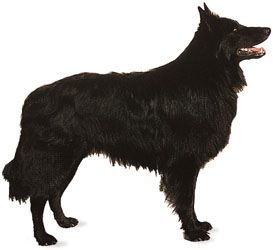
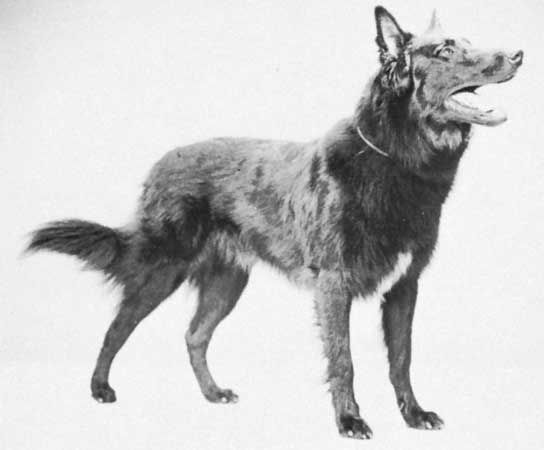
- Belgian Sheepdog (Groenendael): Characterized by its long, solid black coat.213
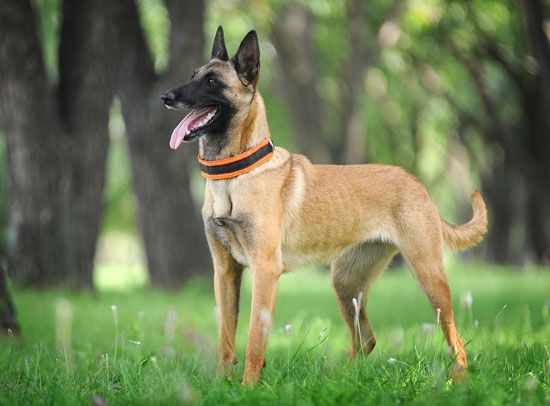
- Belgian Malinois: Features a short, sable-colored coat with a black mask and ears.1
- Belgian Tervuren: Possesses a long, sable-colored coat.1
- Belgian Laekenois: Distinguished by a rough, yellowish-brown coat.1
Despite these physical variations, all four types share a common heritage as working dogs originally developed for herding and guarding livestock. They are generally valued for their high intelligence, agility, and strong work ethic. While the Belgian Malinois is particularly renowned for its stamina and frequent use in military and police roles, all varieties have demonstrated versatility in various working capacities.213
What is the history and origin of the Belgian Sheepdog breed?
The Belgian Sheepdog, also known as the Groenendael, was developed in the village of Groenendaal, Belgium, in 1885. It is a long-haired, black dog that was originally bred for its working ability rather than its appearance.135
During the late 1800s, there were approximately seven varieties of sheepherding dogs in Belgium. As breeders began efforts to standardize these animals, the focus remained on their intelligence and utility in herding, guarding, and military roles. While the American Kennel Club recognizes the Belgian Sheepdog as a distinct breed, it is closely related to other Belgian shepherd varieties, including the Belgian Tervuren and the Belgian Malinois, which were developed from the same regional stock.1
Are Belgian Sheepdogs good with children and other pets?
The provided search results do not contain specific information regarding the temperament of the Belgian Sheepdog (Groenendael) in relation to children or other pets.
While the Belgian Sheepdog shares a common heritage and working background with the Belgian Malinois, the available documentation focuses primarily on the history, physical characteristics, and working utility of the Belgian Sheepdog rather than its social behavior in a domestic setting. Because temperament can vary significantly between individual dogs and specific varieties, it is not possible to provide a definitive assessment based on the current knowledge base.12
How does the Belgian Sheepdog perform in dog sports and competitions?
The provided search results do not contain specific information regarding the performance of the Belgian Sheepdog (Groenendael) in organized dog sports or competitions.
While the Belgian Sheepdog is closely related to the Belgian Malinois—a breed noted for excelling in agility, Schutzhund, French Ring Sport, and dock diving—the available documentation does not explicitly detail the competitive history or aptitude of the Belgian Sheepdog in these specific activities.12
Sources
- Belgian sheepdog — Encyclopædia Britannica
- Belgian Malinois — Encyclopædia Britannica
- Belgian sheepdog — Merriam-Webster
- herding dog — Encyclopædia Britannica
- Groenendael — Merriam-Webster
Published on · 2 min read