Benadir
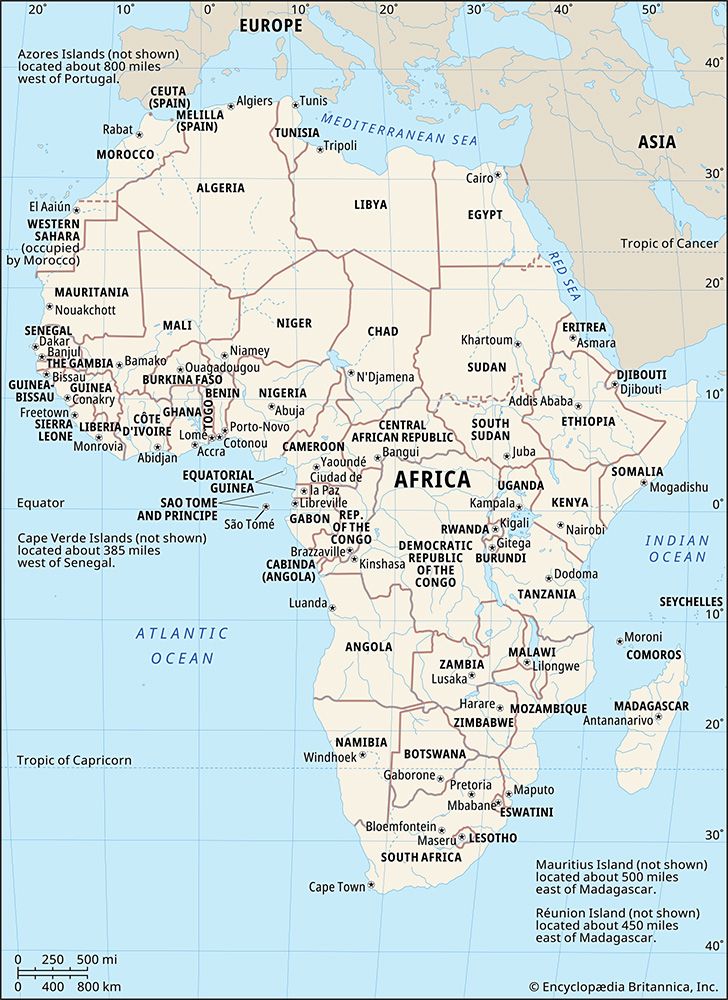
Benadir is a traditional coastal region located in southern Somalia on the Horn of Africa. The name is derived from the Persian word bandar, meaning "port,"…
What is Benadir?
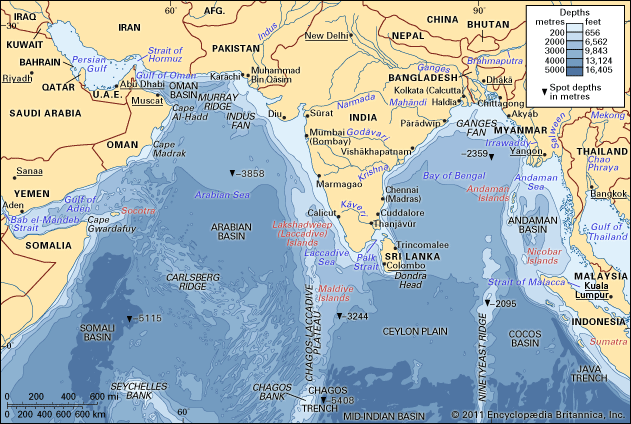
Benadir is a traditional coastal region located in southern Somalia on the Horn of Africa. The name is derived from the Persian word bandar, meaning “port,” which reflects the historical significance of the area for Persian and Arab traders who traveled across the Arabian Sea to eastern Africa during the Middle Ages.1
The region covers approximately 17,000 square miles (45,000 square km) and is primarily agricultural. Politically, Benadir was under the control of the sultan of Zanzibar starting in 1871 before being leased by Italy in 1895. Following this, it shared the political history of the rest of Somalia, eventually becoming part of Italian Somaliland until World War II.1
What is the significance of the Horn of Africa in trade history?
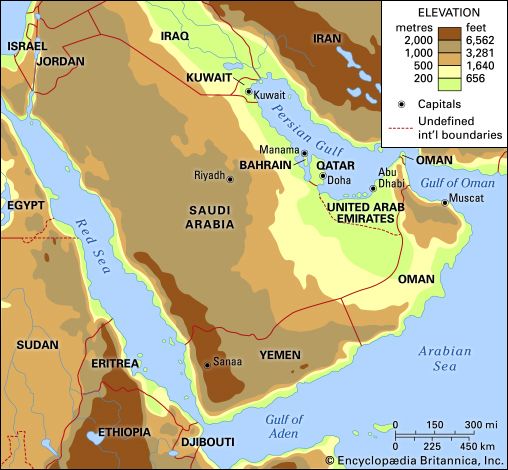
The Horn of Africa has historically served as a vital crossroads for trade, migration, and cultural exchange between Africa and Southwest Asia due to its strategic position along the Red Sea, the Gulf of Aden, and the Indian Ocean.23
Historical Significance
- Ancient Trade Hubs: The kingdom of Aksum emerged as a dominant trading power by the 1st century CE. Its port of Adulis facilitated the exchange of luxury goods like ivory, gold, and frankincense for Mediterranean and Indian textiles, metals, and glassware.4
- Caravan Networks: Interior regions, such as the Ethiopian highlands, utilized complex caravan networks to link the African hinterland with coastal ports, trading commodities like coffee, gold, and slaves with partners on the Arabian Peninsula.5
- Maritime Chokepoints: The Bab el-Mandeb Strait remains a critical maritime passage. Historically, it connected sea routes between the Horn, Arabia, and India; today, it serves as a major global chokepoint for oil transport.67
How did the sultanate of Zanzibar influence coastal Somalia?
The sultanate of Zanzibar exerted influence over coastal Somalia primarily during the 19th century, particularly within the southern coastal towns such as Mogadishu, Baraawe, and Marca.910
The nature of this influence was characterized by the following:
- Nominal Overlordship: These southern coastal towns formally acknowledged the authority of the sultan of Zanzibar. However, this control was largely symbolic or “slight” in practice, especially when compared to the significant local political power exercised by the Geledi clan, which dominated the lower reaches of the Shabeelle River. clan](https://www.britannica.com/topic/clan), which dominated the lower reaches of the Shabeelle River.910
- Regional Administration: In 1871, the Benadir region, which encompasses this southern coastline, officially passed to the sultan of Zanzibar.11
- Transition to Colonialism: The sultan’s influence in the region was relatively short-lived in the context of broader colonial expansion. By 1895, the sultanate leased the Benadir region to Italy, after which the area’s political trajectory became tied to the development of Italian Somaliland.11
What was the impact of Italian colonization on the region?
Italian colonization significantly shaped the political and territorial landscape of the Horn of Africa during the late 19th and 20th centuries. As part of the Scramble for Africa, Italy acquired territories in the northeast and southern regions of the Somali Peninsula, eventually establishing Italian Somaliland.14
The impact of this colonization included:
- Territorial Definition: Italy’s presence, alongside other European powers, led to the drawing of borders that have contributed to ongoing regional disputes.14
- Administrative Shifts: In 1895, Italy leased the Benadir coast from the sultan of Zanzibar, integrating it into its colonial holdings. By 1936, these territories were incorporated into Italian East Africa.151614
- Path to Independence: Following World War II, Italy returned to southern Somalia in 1950 under a 10-year United Nations trusteeship to prepare the region for independence. This period focused on social and political advancement, culminating in the 1960 union of the former Italian trust territory and the British protectorate to form the independent Republic of Somalia.117
Sources
- Benadir — Encyclopædia Britannica
- Horn of Africa: Top Questions — Encyclopædia Britannica
- Horn of Africa — Encyclopædia Britannica
- Bab el-Mandeb Strait: Top Questions — Encyclopædia Britannica
- Eastern Africa - Abyssinia of Eastern Africa — Encyclopædia Britannica
- Eastern Africa - The coast until 1856 — Encyclopædia Britannica
- Djibouti: Top Questions — Encyclopædia Britannica
- Eastern Africa - Aksum — Encyclopædia Britannica
- Tanzania - Portuguese and Omani domination — Encyclopædia Britannica
- history of Somalia - Somali clans and foreign traders — Encyclopædia Britannica
- Zanzibar — Encyclopædia Britannica
- Zanzibar — Encyclopædia Britannica
- Somalia - Somali clans and foreign traders — Encyclopædia Britannica
- Italian Somaliland — Encyclopædia Britannica
- history of Somalia: Top Questions — Encyclopædia Britannica
- Eastern Africa - Revival of the Ethiopian empire — Encyclopædia Britannica
- Somalia - Independence and union — Encyclopædia Britannica
- history of Somalia - Independence and union — Encyclopædia Britannica
Published on · 3 min read