Africa
The economy of Africa is characterized by significant diversity, ranging from the developed systems of South Africa and North Africa to predominantly…
What are some of the major economic challenges and opportunities facing African nations today?
The economy of Africa is characterized by significant diversity, ranging from the developed systems of South Africa and North Africa to predominantly underdeveloped regions where subsistence farming remains central.1
Major Economic Challenges
- Commodity Dependence: Most nations rely on the export of a few primary products, such as petroleum, copper, or agricultural goods. This makes economies highly vulnerable to global price fluctuations.12
- Structural Constraints: Political fragmentation has created small, inefficient markets, leading to excess industrial capacity and significant foreign debt.1
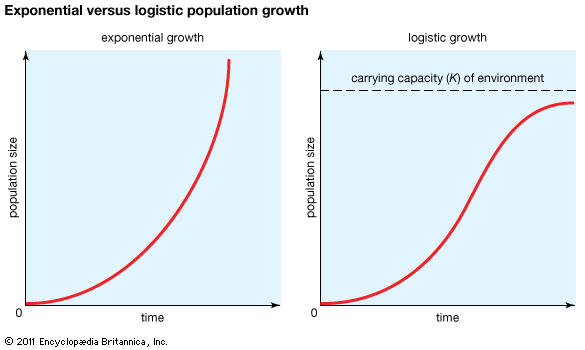
- Demographic Pressure: Rapid population growth often outpaces economic output, keeping per capita gross domestic product low.1
- Infrastructure and Skills: Historical transport networks were designed for colonial extraction rather than internal trade, and there remains a shortage of skilled labor to manage modern economic and transport systems.3
Opportunities for Growth
- Regional Integration: Organizing states into regional economic blocs is essential to create internal markets large enough to sustain industrial growth.1
- Resource Wealth: Africa possesses abundant natural resources, including minerals and energy reserves, which provide a foundation for potential development.12
What are the major geographical features and regions of Africa?
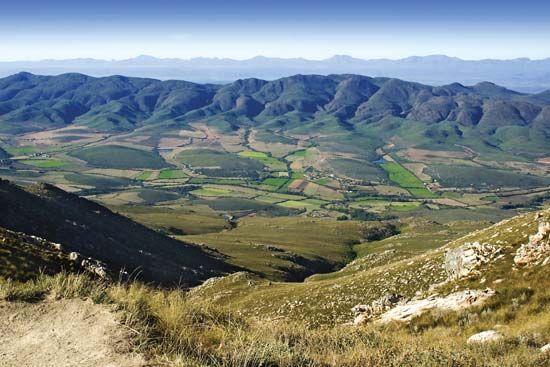
Africa is a vast continent characterized by its status as a massive plateau, rising steeply from narrow coastal strips and composed primarily of ancient crystalline rocks. Its geography is defined by a diverse array of landforms and distinct regional divisions.4
Major Geographical Features
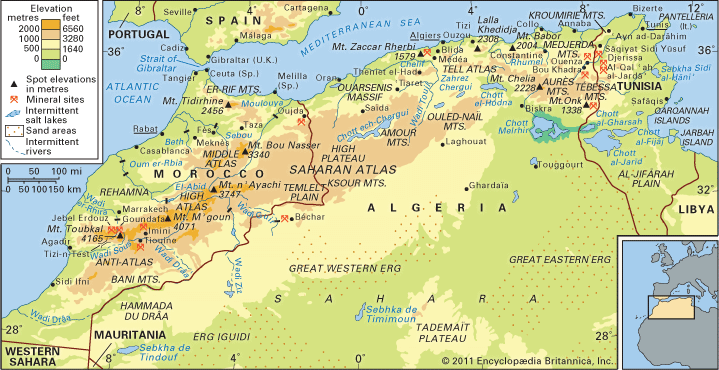
- Plateaus and Mountains: The continent is largely a high plateau, higher in the southeast and tilting downward toward the northeast. Notable mountain ranges include the Atlas Mountains in the northwest and the Drakensberg in the south.45
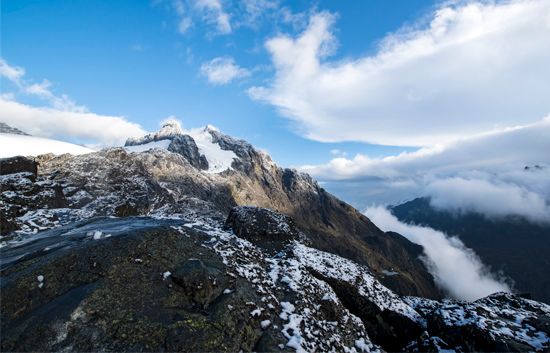
- East African Rift System: This is one of the most striking geological features, extending thousands of miles from the Red Sea to the Zambezi River basin. It is associated with deep lakes, such as Lake Tanganyika, and volcanic peaks like Kilimanjaro7.45
- Deserts: The Sahara, the world’s largest hot desert, dominates northern Africa, while the Kalahari and Namib deserts are found in the southwest.657
- River Systems: Major rivers include the Nile, the Congo River, and the Niger River, which serve as vital water sources across different climatic zones.85
Regional Divisions
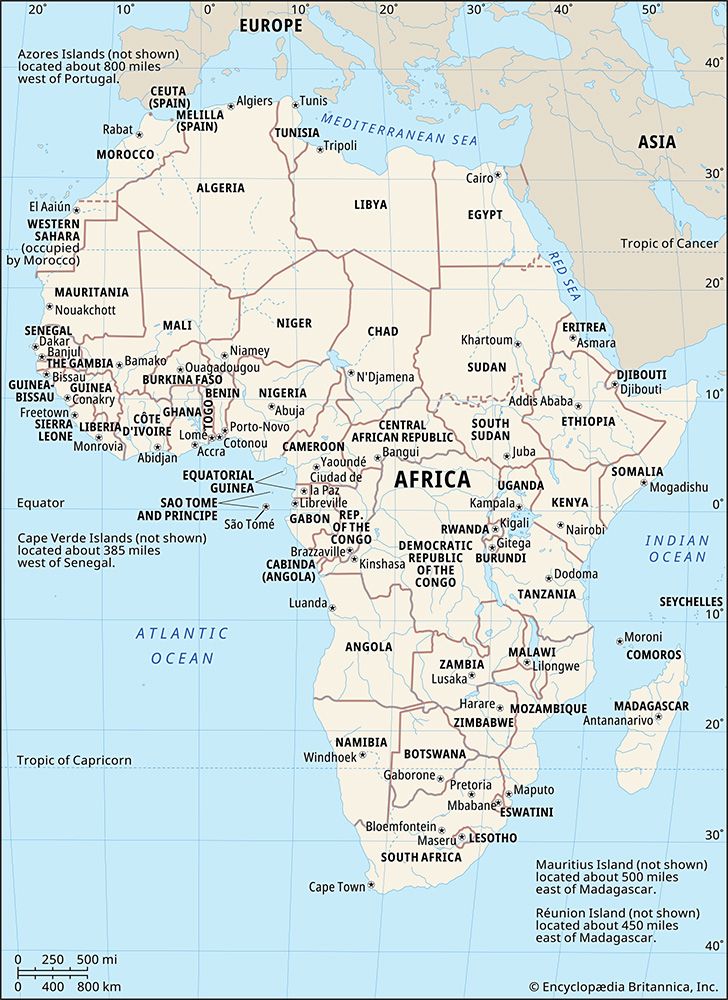
Africa is commonly organized into five primary regions, each with unique historical, cultural, and physical characteristics:
- North Africa
- Western Africa
- Central Africa
- Eastern Africa
- Southern Africa
What are some of the most significant natural resources found in Africa?
Africa possesses a vast array of natural resources that form the foundation of its economic landscape. The continent is recognized as one of the world’s richest regions in terms of mineral wealth and biological diversity.9
Mineral and Energy Resources
Africa holds a significant share of global mineral reserves, including:
- Energy: Extensive deposits of coal, petroleum, natural gas, and uranium.9
- Metals and Ores: Significant quantities of gold, platinum, copper, cobalt, bauxite, chromium, and iron ores.9
- Specialized Minerals: Resources such as diamonds, phosphates, and coltan—a critical ore used in modern electronics—are also found in abundance.910
Biological and Agricultural Resources
Beyond minerals, the continent’s economic wealth is deeply tied to its biological resources:
- Agriculture: Africa produces a variety of principal grains, including corn, wheat, and rice, alongside other crops.11
- Forestry and Fisheries: Vast forest reserves, particularly in Central Africa, and significant fish stocks in the continent’s rivers, lakes, and coastal waters provide essential economic and dietary resources.10
- Biodiversity: The continent’s varied vegetation and animal life, when integrated with cultivated crops and livestock, constitute a major portion of its total economic value.12
How many countries are there in Africa, and what are some of the most populous ones?
Africa is home to 54 countries, which vary significantly in both land area and population size. While the continent is characterized by many nations with relatively small populations, it also contains some of the most populous countries in the world.1415
The following table highlights some of the most populous countries in Africa based on 2026 estimates:
African Country
Population Estimate (2026)
Nigeria
239,430,000
Democratic Republic of the Congo
116,452,000
Ethiopia
113,806,000
Egypt
109,139,000
Tanzania
70,551,000
South Africa
63,419,000
In contrast, the continent also includes nations with much smaller populations, such as Sao Tome and Principe and Seychelles, both of which have fewer than 250,000 people. Population distribution across these countries is heavily influenced by factors such as climate, geography, and the availability of water, with the highest densities often found in river basins and highland areas.1415
Sources
- Africa - Economy of Africa — Encyclopædia Britannica
- Africa - Transportation of Africa — Encyclopædia Britannica
- Africa - Exports — Encyclopædia Britannica
- Africa — Encyclopædia Britannica
- Africa - Surface water — Encyclopædia Britannica
- Africa - Climatic regions — Encyclopædia Britannica
- Africa - Relief — Encyclopædia Britannica
- Sahara — Encyclopædia Britannica
- Africa - Mineral resources — Encyclopædia Britannica
- petroleum - Sub-Saharan Africa — Encyclopædia Britannica
- Africa - Cereals and grains — Encyclopædia Britannica
- Democratic Republic of the Congo - Resources and power — Encyclopædia Britannica
- Africa - Biological resources — Encyclopædia Britannica
- Ethiopia: Country Facts — Encyclopædia Britannica
- Egypt - Population density — Encyclopædia Britannica
- List of African countries by population — Encyclopædia Britannica
- Nigeria - Demographic trends — Encyclopædia Britannica
- Africa - Population distribution — Encyclopædia Britannica
- Sub-Saharan Africa — Encyclopædia Britannica
Published on · 4 min read