Bermejo Pass
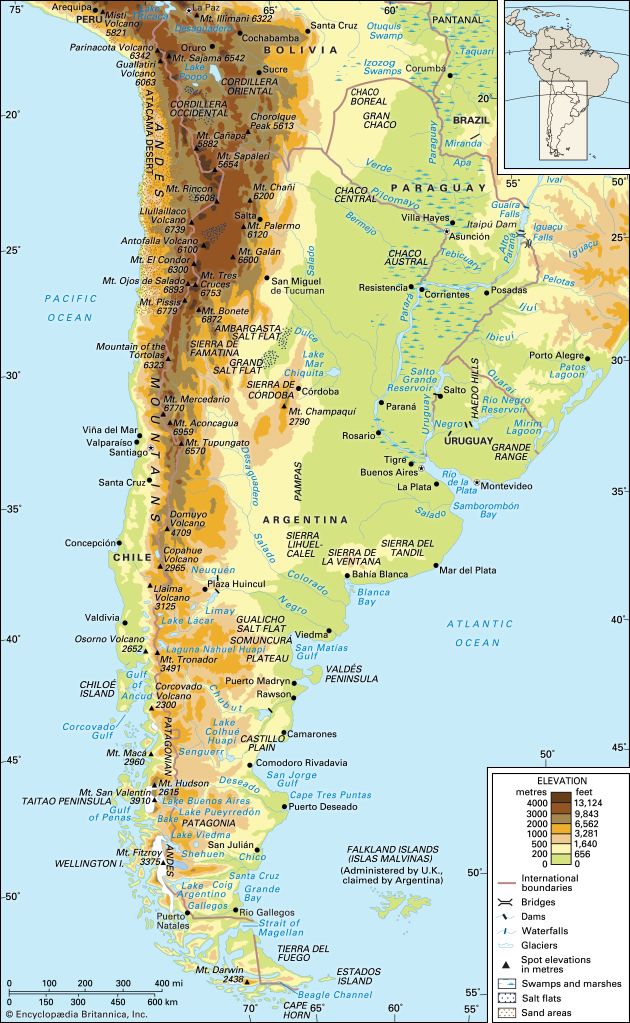
The Bermejo Pass is a mountain pass located at an elevation of 12,917 feet (3,937 metres) within the southern Andes Mountains. Situated between Argentina and…
What is Bermejo Pass?
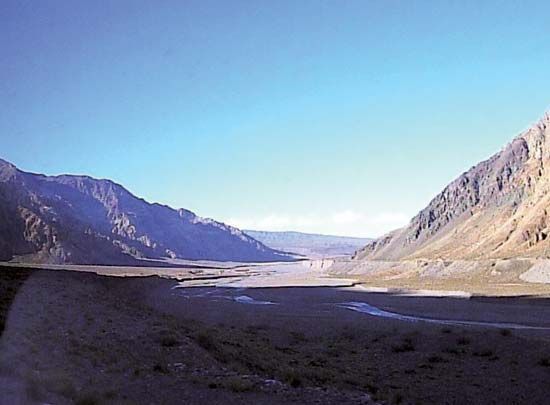
The Bermejo Pass is a mountain pass located at an elevation of 12,917 feet (3,937 metres) within the southern Andes Mountains. Situated between Argentina and Chile, it lies directly south of Mount Aconcagua.1
The pass is notable as the site of the Cristo Redentor, also known as the Christ of the Andes statue. Dedicated in 1904, this monument was erected to commemorate the successful resolution of peace and boundary settlements between the two nations, serving as a lasting symbol of international cooperation and the ethical imperative of peaceful diplomacy.1
What is the significance of the Christ of the Andes statue?
The Christ of the Andes statue, also known as the Cristo Redentor, holds profound historical and symbolic significance. Dedicated in 1904 at the Bermejo Pass in the Andes Mountains, the monument was erected to commemorate the successful resolution of long-standing boundary disputes between Argentina and Chile.1
Beyond its role as a physical landmark, the statue serves as a powerful testament to the triumph of diplomacy over conflict. By marking the peaceful settlement of territorial disagreements, it stands as an enduring symbol of international cooperation and the ethical necessity of maintaining peace between neighboring nations.1
How does the height of the Andes affect travel between Argentina and Chile?
The Andes Mountains have historically served as a formidable barrier to travel and communication between Argentina and Chile, significantly impacting the economic and cultural development of the region.1
The extreme height and rugged terrain of the cordillera make the construction and maintenance of roads and railways both difficult and expensive. Because the mountains are characterized by high, challenging passes—such as the Bermejo Pass—transportation infrastructure is limited. While international rail lines were established to connect cities like Los Andes and Mendoza, overland travel remains constrained by the physical landscape.123
In response to these challenges, countries have expanded road networks, including the Pan-American Highway, to facilitate the movement of goods and passengers. Furthermore, air transport has become an essential tool for overcoming the difficulties of overland communication, effectively reducing the isolation caused by the mountain range.13
What is unique about Mount Aconcagua?
Mount Aconcagua, located in the Andes Mountains of west-central Argentina, is unique for several reasons:
- Highest Point: It is the highest mountain in both South America and the entire Western Hemisphere.78
- Geological Origin: While the mountain is of volcanic origin, it is not an active volcano.7
- Structure: It features two distinct summits—a north and a south peak—which are connected by a ridge known as the Cresta del Guanaco that spans approximately 0.6 miles (1 km).78
- Elevation Debate: Its precise height has been a subject of debate since the early 20th century. While the Military Geographical Institute of Argentina recognizes an elevation of 22,831 feet (6,959 meters), other measurements using advanced GPS technology have suggested a height of 22,840 feet (6,962 meters), though this figure is not officially recognized by the Argentine government or the National Geographic Society.78
Sources
- Bermejo Pass — Encyclopædia Britannica
- Andes Mountains - Transportation — Encyclopædia Britannica
- Chile - Transportation — Encyclopædia Britannica
- road - Inca roads of South America — Encyclopædia Britannica
- Andes Mountains - Physiography of the Central Andes — Encyclopædia Britannica
- Andes Mountains - Physiography of the Southern Andes — Encyclopædia Britannica
- Mount Aconcagua — Encyclopædia Britannica
- The World’s Highest Mountains by Continent — Encyclopædia Britannica
- mountaineering - History — Encyclopædia Britannica
Published on · 2 min read