Brecon (brecknock) Beacons
The Brecon Beacons, now officially known as Bannau Brycheiniog, are a mountain range located in the county of Powys in southeastern Wales. While the term is…
What is Brecon (brecknock) Beacons?
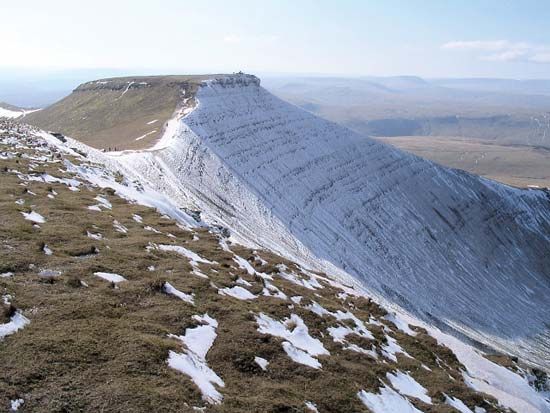
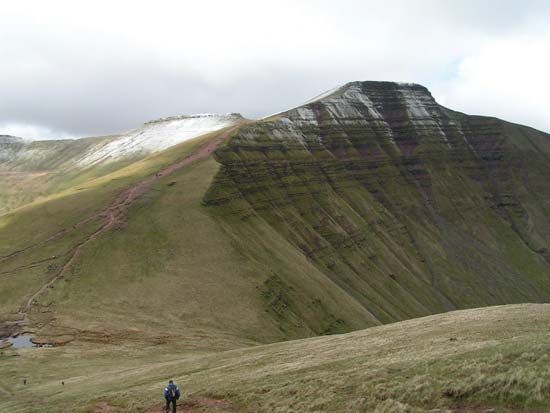
The Brecon Beacons, now officially known as Bannau Brycheiniog, are a mountain range located in the county of Powys in southeastern Wales. While the term is sometimes used to refer specifically to the mountain range itself—which includes peaks such as Pen y Fan (the highest point at 2,906 feet) and Corn Du—it is also widely associated with the larger Bannau Brycheiniog National Park.12
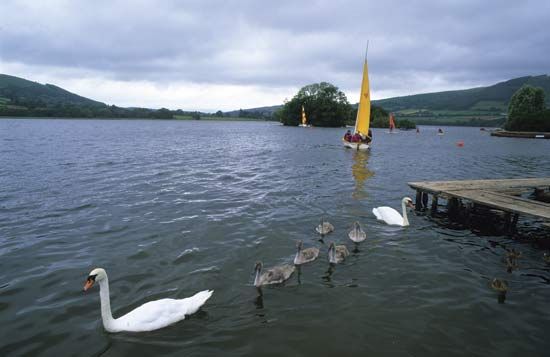
The national park covers 519 square miles of diverse landscape, including moors, forests, lakes, and the Usk valley. The region is historically linked to the former county of Brecknockshire, a mountainous area that served as a significant site of conflict between the Welsh and various invading forces, including the Romans and the Normans. Today, the area is a popular destination for outdoor activities such as hill walking, caving, and sailing.13
What is the significance of the name change to Bannau Brycheiniog?
The name change from Brecon Beacons to Bannau Brycheiniog represents a significant cultural shift toward reclaiming and promoting the Welsh language. By adopting the traditional Welsh name, the national park authority emphasizes its heritage and identity, aligning with broader national efforts to ensure the equality of Welsh and English in public life, as established by legislation such as the Welsh Language Act of 1993.1
While the provided search results confirm the park’s official name is now Bannau Brycheiniog and highlight the importance of the Welsh language in national life, they do not explicitly detail the specific administrative motivations behind this particular rebranding. However, the move reflects the ongoing cultural and political theme of preserving and facilitating the use of the Welsh language, which remains a cornerstone of Welsh national identity.1
How was the landscape of the Brecon Beacons formed?
The landscape of the Brecon Beacons (Bannau Brycheiniog) is primarily defined by its distinct geological composition, which varies across the national park. The central peaks, including the highest point, Pen y Fan, are formed from old red sandstone.1
To the east, the Black Mountains are also composed of old red sandstone, while the Black Mountain range to the west is formed chiefly of millstone grit. These mountainous highlands and moorlands are further characterized by deep river valleys, such as the Usk valley, which have been carved into the terrain over time.15
While the provided search results identify the specific rock types that constitute these mountains, they do not detail the specific tectonic or glacial processes that shaped these formations.
What are some other national parks in Wales?
Wales is home to three designated national parks, each offering unique landscapes and recreational opportunities:
- Bannau Brycheiniog National Park (formerly known as the Brecon Beacons): Located in southern Wales, this park covers 519 square miles of diverse terrain, including the Black Mountains, the central Brecon Beacons, and the Black Mountain range. It is characterized by old red sandstone and millstone grit formations, as well as the broad Usk valley.18
- Eryri National Park (also known as Snowdonia): Situated in northern Wales, this park spans 838 square miles. It is renowned for its rugged mountains composed largely of volcanic rock, which were shaped by Ice Age glaciers. It includes Snowdon (Yr Wyddfa), the highest peak in Wales and England.910
- Pembrokeshire Coast National Park: This park preserves the scenic, rugged coastline of southwestern Wales. It encompasses the county’s convoluted cliffs, headlands, and the Preseli Hills, which are rich in prehistoric megalithic remains.11
Sources
- Bannau Brycheiniog National Park — Encyclopædia Britannica
- Brecon (brecknock) Beacons — Encyclopædia Britannica
- Blaenau Gwent — Encyclopædia Britannica
- Brecknockshire — Encyclopædia Britannica
- Brecon Beacons — Merriam-Webster
- Wales - Ethnic groups and languages — Encyclopædia Britannica
- Wales — Merriam-Webster
- Wales - Plant and animal life — Encyclopædia Britannica
- Pembrokeshire — Encyclopædia Britannica
- Gwynedd — Encyclopædia Britannica
- Eryri National Park — Encyclopædia Britannica
Published on · 3 min read