Butternut
The term "butternut" can refer to two distinct plants, and it is important to distinguish between them to avoid confusion.
What is butternut?
The term “butternut” can refer to two distinct plants, and it is important to distinguish between them to avoid confusion.
Butternut Tree
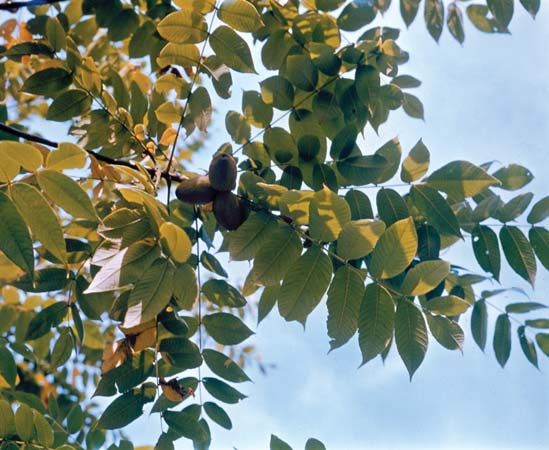
The butternut (Juglans cinerea) is a deciduous tree belonging to the walnut family (Juglandaceae), native to eastern North America. It is valued for its edible seeds, which are housed within a hard, ridged woody pit, as well as for a dye derived from its fruit husks and medicinal substances found in its root bark.1
Butternut Squash
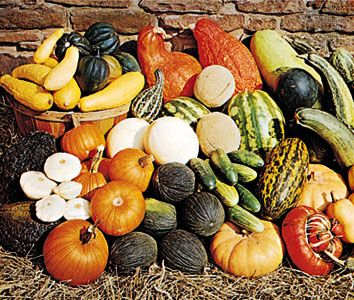
In a culinary context, the term often refers to butternut squash (Cucurbita moschata), which is an entirely different plant. This is a winter squash characterized by its smooth, bottle-shaped, buff-colored exterior and sweet, orange flesh.2
How does a butternut tree differ from a walnut tree?
It is important to clarify that the butternut tree is not distinct from the walnut tree; rather, the butternut (Juglans cinerea) is a specific species within the walnut genus (Juglans). Therefore, they share many fundamental characteristics, such as being deciduous trees in the family Juglandaceae that produce drupes with chambered pith in their twigs.13
However, they differ in several specific ways:
- Classification: While the genus Juglans includes about 20 species, the butternut is a unique species native specifically to eastern North America, whereas other walnuts like the English walnut (J. regia) are native to regions such as Iran.13
- Physical Traits: Butternut leaves typically have 11 to 17 yellowish-green, hairy leaflets. In contrast, other walnut species can have anywhere from 5 to 23 leaflets, and their leaf margins and shapes vary significantly by species.13
- Economic Use: Butternut is often noted for the yellow or orange dye derived from its fruit husks and medicinal uses for its root bark, while species like the black and English walnut are primarily prized for their high-quality timber used in furniture and gunstocks.13
What are the main differences between summer and winter squash?
Summer and winter squashes, both members of the Cucurbitaceae family, differ primarily in their growth habits, harvest timing, and storage capabilities.
Summer Squash
Summer squashes, such as zucchini and yellow crookneck, are quick-growing, bush-type plants. They are harvested while the fruit is young, meaning their rinds and seeds are soft and edible. Because they are not developed for long-term storage, they must be consumed shortly after harvest.4
Winter Squash
Winter squashes, including butternut, acorn, and pumpkin varieties, are long-season, vining plants. Unlike summer varieties, these fruits are left to mature fully until their rinds become hard and inedible. This thick exterior allows them to be stored for many months in dry, cool conditions, extending their availability well into the winter.4
How are butternut squash typically prepared in cooking?
Butternut squash (Cucurbita moschata) is a versatile winter squash characterized by its smooth, buff-colored skin and sweet, orange flesh. Because of its dense texture and mild, nutty flavor, it is typically prepared using methods that soften the flesh and caramelize its natural sugars.
Common preparation techniques include:
- Roasting: Cubed or halved squash is often tossed with oil, salt, and spices and roasted until tender and golden brown. This method enhances the squash’s inherent sweetness.
- Pureeing: Once cooked, the flesh is easily mashed or blended into soups, sauces, or risottos, providing a creamy consistency.
- Steaming or Boiling: These methods are frequently used when the squash is intended for mashing or incorporating into baked goods like muffins and pies.
- Stuffing: Halved and hollowed-out squash can be filled with grains, meats, or vegetables and baked until the shell is tender.
Before cooking, the tough outer rind is usually peeled, and the fibrous seed cavity is removed.
Sources
- butternut — Encyclopædia Britannica
- butternut squash — Merriam-Webster
- Walnut — Encyclopædia Britannica
- Squash — Encyclopædia Britannica
Published on · 3 min read