Buckwheat
Buckwheat is a nutrient-dense pseudograin that serves as a valuable dietary component. It is primarily composed of approximately 60 percent carbohydrates, 10…
What are the nutritional benefits of buckwheat?
Buckwheat is a nutrient-dense pseudograin that serves as a valuable dietary component. It is primarily composed of approximately 60 percent carbohydrates, 10 percent protein, and 15 percent fiber.12
In addition to these macronutrients, buckwheat provides small amounts of vitamins B1 and B2. Beyond its basic nutritional profile, there is ongoing medical interest in the plant as a source of rutin, a compound that may be effective in treating increased capillary fragility associated with hypertension in humans.12
Because it is not a true cereal grain, it is often prepared as kasha or ground into flour for use in various culinary applications, such as pancakes and griddle cakes.12
What are some unique characteristics of buckwheat flowers, and why are they important for beekeeping?
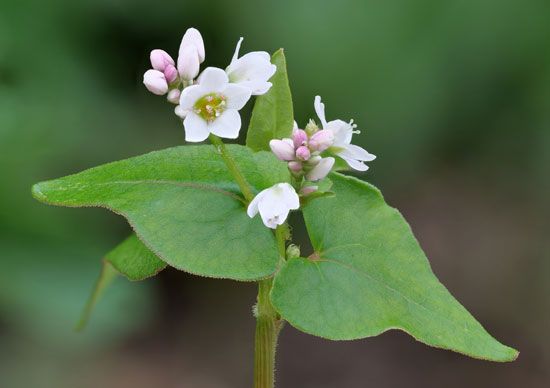
Buckwheat (Fagopyrum esculentum) is a fast-growing annual plant characterized by its heart-shaped leaves and reddish, hollow stems. Its white flowers are distinctively produced in terminal clusters.1
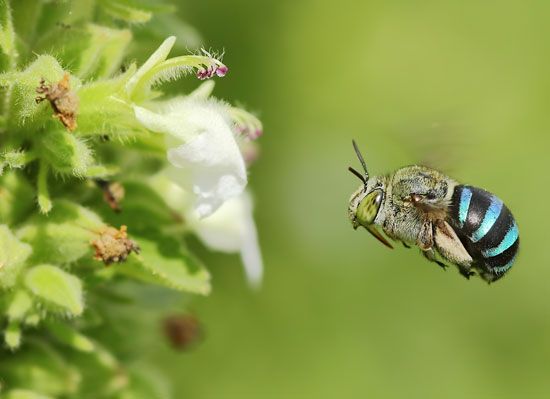
These flowers are highly significant for beekeeping because they serve as a vital source of both pollen and nectar for bees. Due to this relationship, buckwheat is frequently cultivated as a honey crop. The resulting product, known as buckwheat honey, is recognized for being dark in color and possessing a strong, distinct flavor.13
Beyond honey production, the presence of these flowers in a field helps foster beneficial insects, contributing to a healthier environment for surrounding crops.1
What parts of the buckwheat plant are edible, and how are they prepared?
The primary edible part of the buckwheat plant is its triangular-shaped seed, which is botanically a fruit rather than a true cereal grain.12
These seeds are processed and prepared in several ways:
- Groats: The hulled kernels, known as groats, are a staple in parts of eastern Europe. They are commonly prepared as kasha, where they are cooked and served similarly to rice.1
- Flour: The seeds can be ground into a white flour. While this flour is not suitable for making traditional bread on its own, it is frequently used—either alone or blended with wheat flour—to make griddle cakes, pancakes, and buckwheat cakes.12
- Animal Feed: Beyond human consumption, buckwheat meal and whole seeds are commonly used as feed for poultry, livestock, and game birds like pheasants.12
While the seeds are the primary food source, the plant also contributes to the production of honey through its flowers, which provide essential nectar for bees.1
We could dive deeper into the historical origins of buckwheat or its role as a green manure crop.
Are there any medicinal uses for buckwheat or its byproducts?
There is medical interest in buckwheat as a natural source of rutin, a bioflavonoid. Research suggests that rutin may be effective in the treatment of increased capillary fragility, a condition often associated with hypertension in humans.1
While buckwheat is primarily valued as a pseudograin crop, providing carbohydrates, protein, and B vitamins, this potential therapeutic application highlights the plant’s utility beyond its traditional roles in human nutrition and livestock feed.21
Sources
- Buckwheat — Encyclopædia Britannica
- Cereal processing - Buckwheat — Encyclopædia Britannica
- buckwheat honey — Merriam-Webster
Published on · 2 min read