Cucurbitaceae
Plants in the Cucurbitaceae family, commonly known as the gourd family, have been utilized for various purposes for millennia. While many are primarily…
Are there any medicinal or traditional uses associated with plants from the Cucurbitaceae family?
Plants in the Cucurbitaceae family, commonly known as the gourd family, have been utilized for various purposes for millennia. While many are primarily cultivated as food crops, some species possess traditional medicinal applications.
For instance, the bitter melon (Momordica charantia) is used in South Asia as a traditional treatment for diabetes. Although there have been claims regarding its efficacy in treating osteoarthritis, reducing fevers, and inhibiting the growth of certain cancers, these medicinal uses have not been clinically verified. Additionally, the dried fruit pulp of certain species within the Citrullus genus is known to act as a purgative.12
Beyond medicinal uses, the family is historically significant for its practical applications. The hard, dry shells of mature bottle gourds (Lagenaria siceraria) have long been used to create household utensils such as bowls, ladles, and spoons. Furthermore, the luffah is valued for its internal network of vascular bundles, which functions similarly to a natural sponge.2
Which common fruits and vegetables belong to the Cucurbitaceae family?
The Cucurbitaceae family, often called the gourd family, includes a wide variety of common fruits and vegetables. These plants are typically fast-growing, vining herbs that produce a fleshy, many-seeded fruit known as a pepo.31
Common members of this family include:
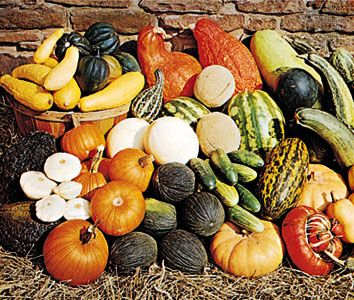
- Melons and Cucumbers: This group includes watermelons, cucumbers, gherkins, and various melons such as cantaloupes, muskmelons, and honeydew.16
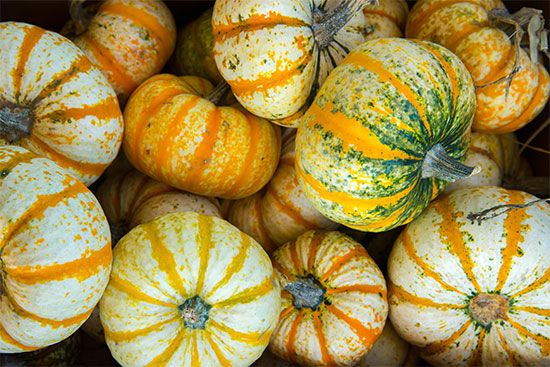
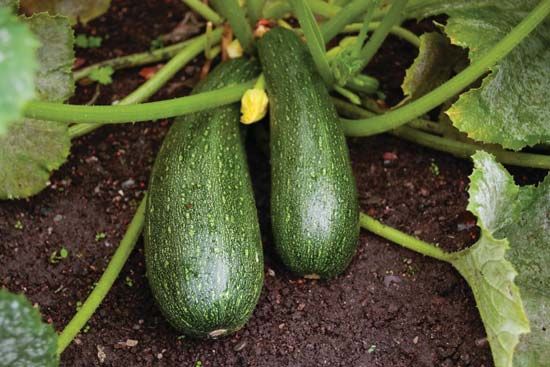
- Squashes and Pumpkins: The genus Cucurbita provides a diverse range of produce, including pumpkins, zucchini, summer squash, and winter squash.16
- Gourds and Others: This category features bottle gourds, snake gourds, wax gourds, chayote, and bitter melon.16
- Specialized Varieties: The luffah, often used as a vegetable sponge, also belongs to this family.16
These plants have been cultivated for thousands of years, serving as essential food sources and, in some cases, providing materials for household tools.1
How have Cucurbitaceae plants been used in art, literature, and cultural traditions?
Plants in the Cucurbitaceae family have played significant roles in cultural traditions, music, and folklore for centuries.
Musical and Utilitarian Traditions
The hard, dried shells of various gourds, particularly the bottle gourd, have been crafted into diverse musical instruments across nearly every continent. These include:
- Percussion: Rattles such as the West African shekere and Latin American maracas, as well as the Latin American guiro and Indian kanjira.7
- Stringed Instruments: Gourd components are essential to the construction of the Indian sitar and tanpura, as well as the Gambian kora.7
- Wind Instruments: Various forms of gourd mouth organs are found throughout East and Southeast Asia.7
Beyond music, these plants are deeply embedded in daily life as vessels and utensils, including bowls, ladles, and water bottles, which are often used in social settings, such as sharing drinks in various barrios.71
Folklore and Seasonal Celebrations
In Western culture, the pumpkin is a central icon of Halloween. The tradition of the jack-o’-lantern is rooted in Irish folklore regarding “Stingy Jack,” a man who tricked the Devil and was condemned to wander the earth with only a glowing coal inside a hollowed-out vegetable to light his way. While originally carved from turnips in the British Isles, the practice transitioned to pumpkins in North America, where they serve as both decorations and symbols used to guide or ward off spirits.89
How are Cucurbitaceae plants typically cultivated, and what are their growing requirements?
Plants in the Cucurbitaceae family, which includes cucumbers, squashes, melons, and pumpkins, are generally fast-growing, prostrate or climbing vines that thrive in tropical and warm temperate regions.1314
Growing Requirements
- Temperature: Most species are extremely sensitive to frost and require high temperatures to mature, which limits their geographic distribution.133
- Support: As vining plants, they often utilize branched tendrils to climb. In cultivation, they can be trained to supports, such as trellises or frames, or grown as field crops.1513
- Watering: Consistent moisture is essential; for example, cucumber fruits can become bitter if exposed to uneven watering conditions.15
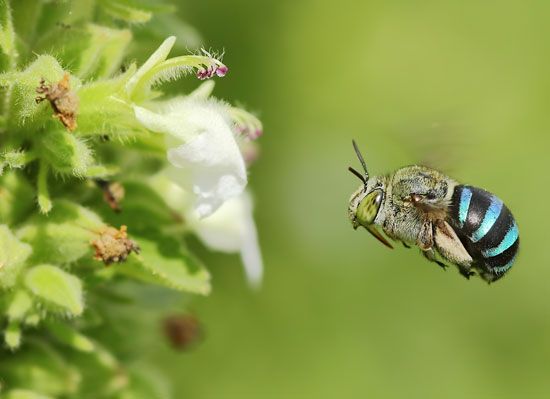
- Pollination: Cultivated members of the family typically rely on bees for pollination.14
Cultivation Challenges
These plants are susceptible to various bacterial and fungal diseases, including downy mildew, anthracnose, powdery mildew, and Fusarium wilt. Management strategies often include crop rotation, sanitation, and the use of pesticides or fungicides to protect the crop.15116
Sources
- Cucurbitales - Cucurbitaceae — Encyclopædia Britannica
- bitter melon — Encyclopædia Britannica
- Cucurbitaceae — Encyclopædia Britannica
- Indian cucumber — Merriam-Webster
- Squash — Encyclopædia Britannica
- list of plants in the family Cucurbitaceae — Encyclopædia Britannica
- gourd — Encyclopædia Britannica
- Cucurbitaceae — Merriam-Webster
- gourd — Merriam-Webster
- Pumpkin — Encyclopædia Britannica
- Halloween - The jack-o’-lantern and the legend of Stingy Jack — Encyclopædia Britannica
- Bottle gourd — Encyclopædia Britannica
- Cucumber — Encyclopædia Britannica
- Pumpkin: Top Questions — Encyclopædia Britannica
- Tobacco - Diseases and pests — Encyclopædia Britannica
- Cucurbitales — Encyclopædia Britannica
- Yellow-flowered gourd — Encyclopædia Britannica
Published on · 4 min read