Broccoli
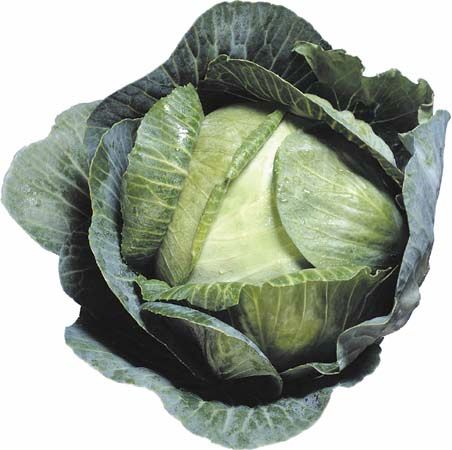
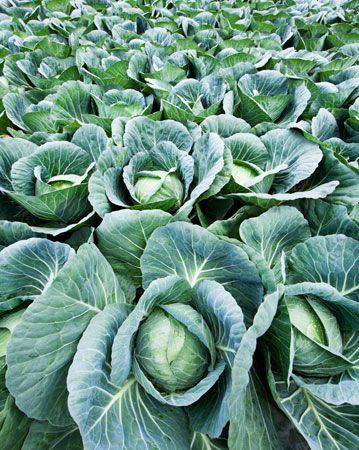
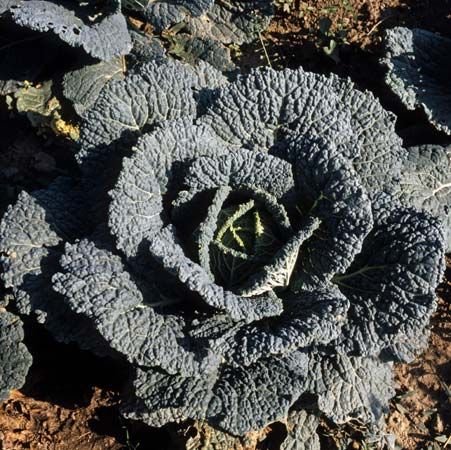
Broccoli is a form of cabbage belonging to the mustard family (Brassicaceae). Within this family, it is classified under the genus Brassica, which contains…
What is the botanical classification of broccoli and how does it relate to other cruciferous vegetables?
Broccoli is a form of cabbage belonging to the mustard family (Brassicaceae). Within this family, it is classified under the genus Brassica, which contains numerous economically important agricultural crops.123
The term “cruciferous” refers to the characteristic structure of the flowers in the Brassicaceae family. These flowers are cruciform, meaning they are arranged in the shape of a cross with four petals and four sepals. Broccoli shares this botanical classification with other well-known vegetables such as Brussels sprouts, cauliflower, kale, kohlrabi, turnip, and rutabaga.31
Beyond their shared floral structure, these plants are often linked by the presence of glucosinolates, which are sulfur-containing compounds that contribute to the distinct, often pungent taste and aroma characteristic of many members of the mustard family.3
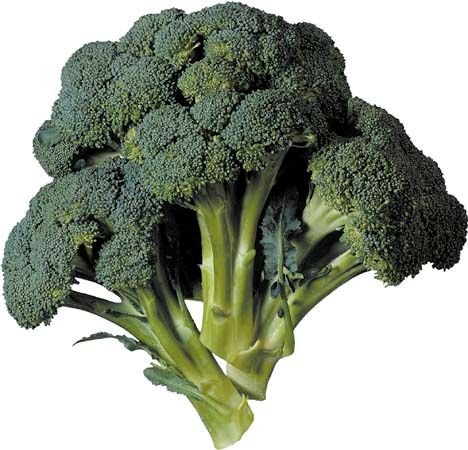
How was broccoli first cultivated and where did it originate?
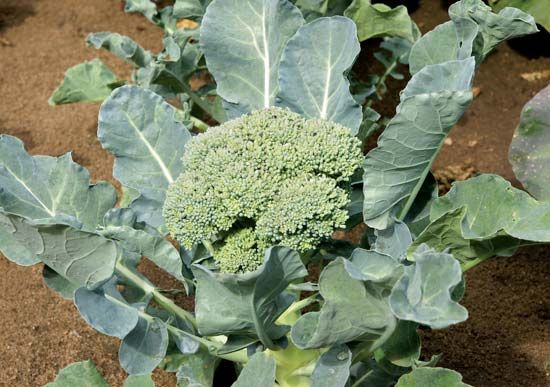
Broccoli (Brassica oleracea, variety italica) originated in the eastern Mediterranean and Asia Minor regions. It is a form of cabbage that was developed through long-term human cultivation of the wild cabbage plant.425
The specific cultivation of sprouting broccoli was well-established in Italy during ancient Roman times. Over the centuries, selective breeding focused on enhancing the plant’s edible flower buds and stalks, leading to the varieties recognized today. Broccoli was eventually introduced to England and America in the 1700s.25
As a member of the mustard family, broccoli is part of a diverse group of agricultural crops derived from the same wild species, including kale, Brussels sprouts, and cauliflower, all of which were adapted by early farmers for different edible parts, such as leaves, buds, or thickened flower stalks.5
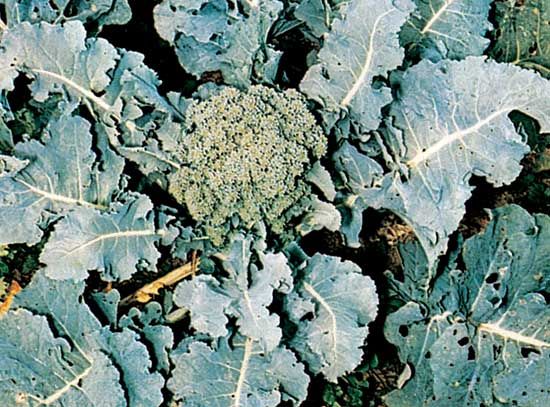
How has selective breeding influenced the development of different broccoli varieties?
Selective breeding has played a fundamental role in the development of broccoli by focusing on the plant’s edible flower buds and stalks. Through centuries of human intervention, farmers have refined the wild cabbage ancestor to produce the dense, compact green clusters of buds that characterize modern varieties.2
This process of selection has resulted in diverse cultivars that vary significantly in their growth cycles, with harvest times ranging from 60 to 150 days depending on the specific variety and environmental conditions. Breeders have prioritized traits such as firm stalks, dark green color, and the density of the floret clusters to improve both yield and nutritional quality. Because broccoli is a fast-growing annual plant, these selective pressures have allowed for the consistent development of plants that reach maturity at different intervals, enabling a more reliable agricultural supply.2
We could dive deeper into the specific genetic traits that distinguish various Brassica cultivars or explore how modern agricultural techniques continue to influence plant development.
How long does it take for a broccoli plant to grow from seed to harvest?
A broccoli plant typically reaches harvest maturity between 60 and 150 days after planting. The exact duration depends on the specific variety being grown and the prevailing weather conditions, as the plant thrives best in moderate to cool climates.2
Broccoli is a fast-growing annual that can be propagated by sowing seeds directly into the field or by starting them in plant beds for later transplanting. Once the dense green clusters of flower buds reach the desired size, they are harvested before the plant produces yellow flowers.2
Sources
- brassica — Encyclopædia Britannica
- Broccoli — Encyclopædia Britannica
- Brassicaceae — Encyclopædia Britannica
- Did you know? — Merriam-Webster
- Cabbage — Encyclopædia Britannica
- Brussels sprouts — Encyclopædia Britannica
- Origins of agriculture - East Asia — Encyclopædia Britannica
Published on · 3 min read