Chiltern Hills
The Chiltern Hills are a range of chalk hills located in England. Stretching approximately 70 miles (115 km) from southwest to northeast, the range spans the…
What is Chiltern Hills?
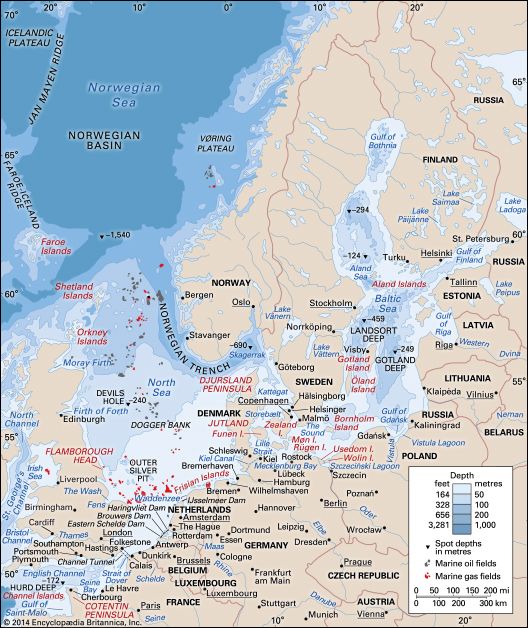
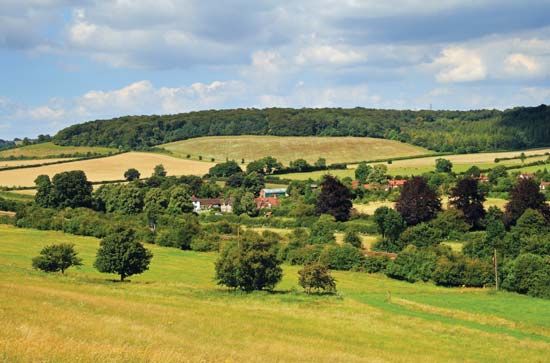
The Chiltern Hills are a range of chalk hills located in England. Stretching approximately 70 miles (115 km) from southwest to northeast, the range spans the counties of Oxfordshire, Buckinghamshire, Hertfordshire, and Bedfordshire.1
The landscape is characterized by a distinct northwest escarpment and a gentle slope toward the River Thames, with its highest point reaching 852 feet (260 meters) at Coombe Hill. Historically, the region’s dense beechwoods supported the furniture industry in High Wycombe. Today, significant portions are managed by the National Trust and serve as popular destinations for visitors. Additionally, the hills are traversed by various transport routes leading into London.1
It is important to distinguish the geographical range from the former administrative district of Chiltern, which covered only a small central portion of the hills and included towns such as Amersham.2
How is chalk formed in the landscape?
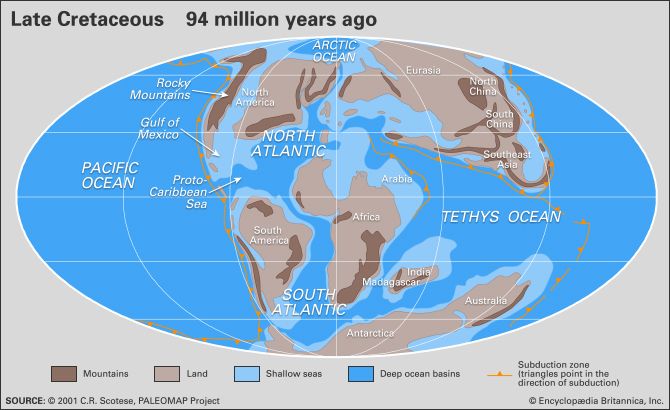
Chalk is a soft, fine-grained variety of limestone formed primarily from the accumulated shells of minute marine organisms, such as foraminifera, coccoliths, and rhabdoliths. These extensive deposits were largely created during the Cretaceous Period, which lasted from approximately 145.5 million to 65.5 million years ago.3
In the landscape, chalk often manifests as prominent geological features known as cuestas—ridges with a steep escarpment on one side and a gentle dip slope on the other. Over millions of years, tectonic forces and erosion have shaped these deposits into distinct landforms, such as the Chiltern Hills and the Downs in England. In some areas, such as the Salisbury Plain, the chalk forms a dissected plateau, while coastal erosion has exposed the rock to create iconic landmarks like the cliffs of Dover.143
What is the role of the National Trust in protecting nature?
The National Trust plays a vital role in environmental and heritage conservation by preserving land of natural beauty alongside buildings of historic or architectural interest. Founded in 1895, the organization is dedicated to both the protection of these sites and ensuring public access to them.6
The Trust manages vast areas of land—totaling nearly 700,000 acres by its centenary—ranging from coastal cliffs and forests to significant historical sites like Hadrian’s Wall. By acquiring and maintaining these spaces, the organization acts as a steward for the natural environment, preventing development and degradation while fostering public appreciation for the landscape. Its operations are supported by voluntary contributions, including donations, legacies, and membership subscriptions, which allow it to maintain these diverse sites for the benefit of the public.6
How did the furniture industry shape the history of High Wycombe?
The furniture industry, particularly the production of Windsor chairs, has been the defining economic and historical force in High Wycombe. The town’s development was intrinsically linked to the abundant beech forests of the surrounding Chiltern Hills, which provided the essential raw materials for chairmaking.78
Historically, the industry relied on “bodgers”—itinerant craftsmen who worked in huts within the beech woods. These artisans used primitive pole lathes to turn chair legs and uprights from green timber, delivering the finished parts to factories in the town for assembly. This decentralized production model allowed local makers to remain competitive for generations by minimizing overhead costs.8
As the industry evolved into the Victorian and Edwardian eras, it became a highly specialized trade. While traditional methods—such as using elm for seats and yew for hooped backs—characterized early production, the industry eventually transitioned to factory-based manufacturing and mechanized processes. This shift solidified High Wycombe’s reputation as a center for furniture production, shaping the town’s industrial identity and economic landscape for centuries.87
Sources
- Chiltern Hills — Encyclopædia Britannica
- Chiltern — Encyclopædia Britannica
- chalk — Encyclopædia Britannica
- chalk — Merriam-Webster
- United Kingdom - The lowland zone — Encyclopædia Britannica
- National Trust — Encyclopædia Britannica
- High Wycombe — Encyclopædia Britannica
- furniture industry - The art of chairmaking — Encyclopædia Britannica
Published on · 3 min read