Beech
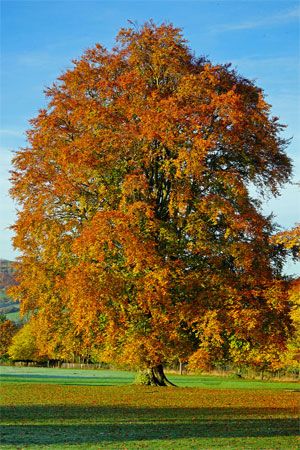
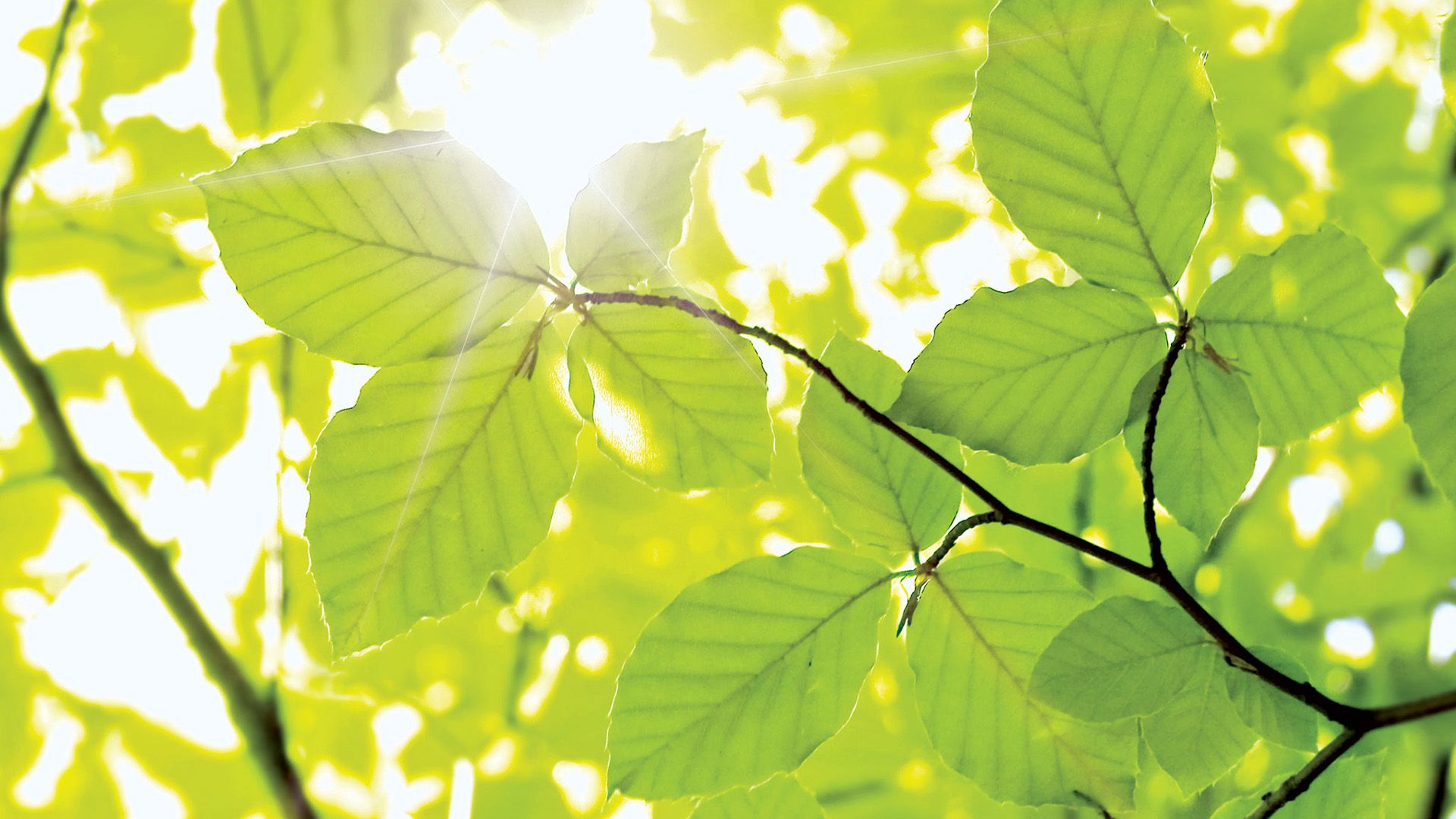
Beech trees, belonging to the genus Fagus in the Fagaceae family, are characterized by several distinct physical traits:
What are the distinguishing characteristics of beech trees?
Beech trees, belonging to the genus Fagus in the Fagaceae family, are characterized by several distinct physical traits1:1
- Bark: They are easily identified by their thin, smooth, steel-gray bark.21
- Form: These are tall, round-headed, and wide-spreading trees that are notably slow-growing but can live for 400 years or more.2
- Leaves: The leaves are shiny, toothed, and parallel-veined, arranged alternately along the stem.2
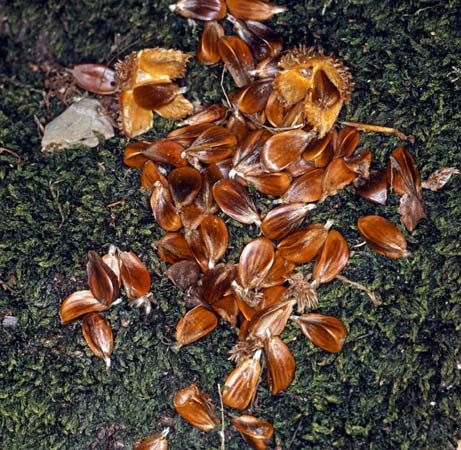
- Reproduction: They produce yellow-green male flowers and female flowers that develop into prickly burs; these burs contain one or two small, three-sided, sweet-flavored nuts.21
- Root System: Beeches possess a shallow, spreading root system that frequently produces suckers, which can eventually develop into thickets.2
Common species include the American beech and the European beech, both of which are valued for their durable wood and ornamental appeal.2
How long do beech trees typically live, and how large can they grow?
Beech trees are known for their longevity and impressive stature. These slow-growing trees are capable of living for 400 years or more.1
Regarding their size, the height of a beech tree varies by species:
- American and European beech: These widely known species can reach heights of up to 30 metres (100 feet).1
- Mexican beech: This species is notably taller, often reaching 40 metres (130 feet).1
- Japanese blue beech: Typically grows up to 24 metres (79 feet).1
- Chinese beech: Generally reaches about 20 metres (65 feet).1
- Oriental beech: This pyramidal tree grows to approximately 30 metres (100 feet).1
What are some common uses for beech wood in industry and everyday life?
Beech wood is a versatile material valued for its durability and workability in various industrial and domestic applications. Its primary uses include:
- Furniture Manufacturing: Beech is frequently used as a sturdy carcass wood—the internal structural frame—for furniture, often serving as a base for veneer applications. Its ability to be shaped and its structural reliability make it a common choice for chairs and other household items.34
- Culinary and Beverage Industry: Beech wood is utilized in the food and beverage sector, particularly for smoking processes. Beechwood fires are commonly used to smoke malts, which imparts a unique flavor profile to certain brews.4
- Construction and Craft: Due to its physical properties, it is a reliable material for various woodworking projects, often being paired with other materials like cane to create functional and aesthetic pieces.4
While beech is a staple in traditional cabinetmaking and furniture production, its utility extends from structural support in cabinetry to specialized roles in food production.43
What are the different species of beech trees, and how do they vary?
The genus Fagus, commonly known as beech, comprises about 10 species of deciduous trees native to the Northern Hemisphere. These trees are characterized by smooth, steel-gray bark and toothed, parallel-veined leaves.1
Major Species of Fagus
- American beech (F. grandifolia): Native to eastern North America, it features blue-green leaves that turn yellow in autumn.1
- European beech (F. sylvatica): Distributed across Eurasia, it has dark green, egg-shaped leaves that turn red-brown in autumn. It includes various ornamental cultivars, such as the copper, fernleaf, and weeping beech.1
- Chinese beech (F. engleriana): An Asian species reaching about 20 metres (65 feet) in height.1
- Japanese blue beech (F. japonica): Grows up to 24 metres (79 feet) and often divides into multiple stems.1
- Mexican beech (F. mexicana): A tall timber tree reaching 40 metres (130 feet) with wedge-shaped leaves.1
- Oriental beech (F. orientalis): A pyramidal Eurasian tree with a grayish white trunk.1
Southern Beech
Distinct from the genus Fagus, the southern beech (Nothofagus) includes 35–40 species native to the Southern Hemisphere. Unlike the northern genus, these include both deciduous and evergreen species, such as the Antarctic beech and the myrtle beech, which can reach heights of up to 80 metres (262 feet).5
Sources
- beech — Encyclopædia Britannica
- beech — Merriam-Webster
- beechwood — Merriam-Webster
- Furniture - Wood — Encyclopædia Britannica
- Fagales - Economic and ecological importance — Encyclopædia Britannica
- Southern beech — Encyclopædia Britannica
Published on · 3 min read