Cocker Spaniel
Cocker spaniels are small, sturdy sporting dogs characterized by their floppy ears and rounded heads. They are divided into two distinct breeds: the American…
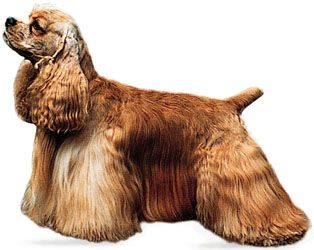
What are the physical characteristics of a Cocker Spaniel?
Cocker spaniels are small, sturdy sporting dogs characterized by their floppy ears and rounded heads. They are divided into two distinct breeds: the American cocker spaniel and the English cocker spaniel.1
- American Cocker Spaniel: This breed stands 14 to 15 inches tall and weighs 22 to 29 pounds. It features a compact, sturdy build with a soft, flat or wavy coat that may be solid or variegated in color. They are known for having long coats with thick feathering on the legs and belly.12
- English Cocker Spaniel: Generally larger than its American counterpart, this breed stands 15 to 17 inches tall and weighs 26 to 34 pounds. It has longer legs, a longer muzzle, and a medium-length, silky coat. While also compact and balanced, its coat is typically less feathered than that of the American variety.12
In both breeds, the tail is usually docked, and they are widely recognized as popular, affectionate companion animals.1
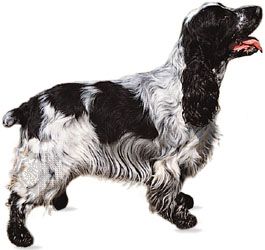
How did the Cocker Spaniel breed originate and what was its original purpose?
The history of the cocker spaniel traces back to the 14th century, when the ancestors of modern spaniels were first recognized. While the name “spaniel” suggests an origin in Spain, the majority of modern breeds were developed in Britain.
Originally, spaniels were categorized primarily by size rather than specific breed names. The larger dogs were known as springers, while the smaller ones were called “cockers.” The term “cocker” is derived from the dog’s traditional purpose: flushing out woodcocks from dense cover for hunters. In addition to flushing game, these dogs were also trained to retrieve.
Over time, these hunting dogs were differentiated into various land and water breeds. The cocker spaniel was officially recognized as a breed in England in 1883, and the American and English varieties were eventually distinguished as separate breeds by the American Kennel Club in 1946.
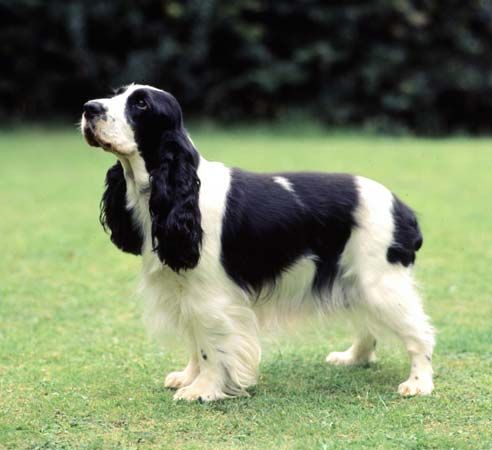
What are the differences between American and English Cocker Spaniels?
While the American cocker spaniel and English cocker spaniel share a common ancestry as hunting dogs, they were officially separated as distinct breeds by the American Kennel Club in 1946.1
The primary differences between the two breeds are summarized below:
Feature
American Cocker Spaniel
English Cocker Spaniel
Height
14–15 inches
15–17 inches
Weight
22–29 pounds
26–34 pounds
Physical Build
Compact and sturdy with a rounded head
Larger with longer legs and a longer muzzle
Coat
Soft, flat or wavy; long with thick feathering on legs and belly
Medium-length and silky; typically less feathered than the American variety
Both breeds are recognized as popular, affectionate companion animals that are particularly well-suited for families with children. While they share the same historical roots in flushing game, their physical development has diverged to create the distinct profiles seen today.12
How trainable are Cocker Spaniels, and what are they typically trained for?
Cocker spaniels are highly capable sporting dogs that demonstrate significant trainability, particularly in tasks related to their historical role as hunting companions. Because they are bred as sporting dogs, they are naturally inclined to respond to handling and follow complex commands in the field.
Their training is primarily focused on their utility in hunting, where they are expected to perform the following tasks:
- Flushing: They are trained to locate and flush game birds, such as woodcock, from dense cover.14
- Retrieving: They are taught to retrieve fallen game promptly and with a tender mouth.4
- Field Manners: In field trials, these dogs must demonstrate high levels of discipline, including remaining steady at the flush and the shot, and waiting for specific commands before resuming their work or retrieving game.4
Beyond their working capabilities, cocker spaniels are widely recognized as popular companion dogs. Their intelligence and responsiveness make them well-suited for training, which contributes to their reputation as excellent family pets.1
Sources
- cocker spaniel — Encyclopædia Britannica
- spaniel — Encyclopædia Britannica
- cocker spaniel — Merriam-Webster
- field trial — Encyclopædia Britannica
Published on · 3 min read