Foxhound
Foxhounds are distinguished from other scent hounds primarily by their role as pack-oriented hunters. While many scent hounds, such as the bloodhound, are…
How do foxhounds compare to other scent hounds in terms of their abilities?
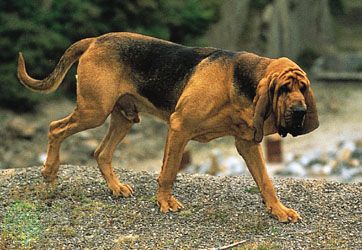
Foxhounds are distinguished from other scent hounds primarily by their role as pack-oriented hunters. While many scent hounds, such as the bloodhound, are celebrated for their individual tracking ability, foxhounds are bred to work cooperatively in large groups.123
Key comparisons include:
- Social Structure: Unlike hounds that may work alone or in smaller pairs, foxhounds are traditionally kept and hunted in large packs. This requires them to be versatile and responsive to the commands of a huntsman, often using voice calls or a horn.314
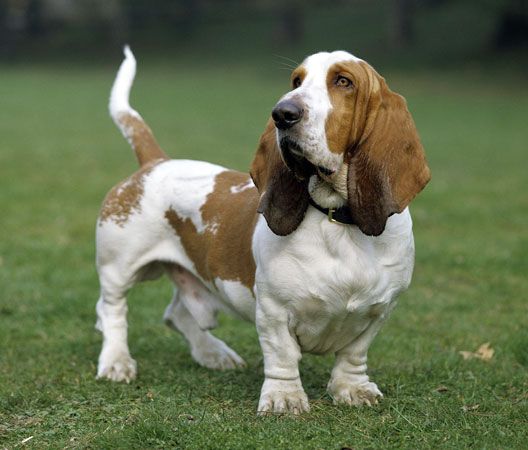
- Physicality: Foxhounds are bred to be strong, swift, and possess significant stamina. While some scent hounds like the basset hound are built for endurance at a slower pace, the foxhound is designed for the high-speed, long-distance demands of the chase.3512
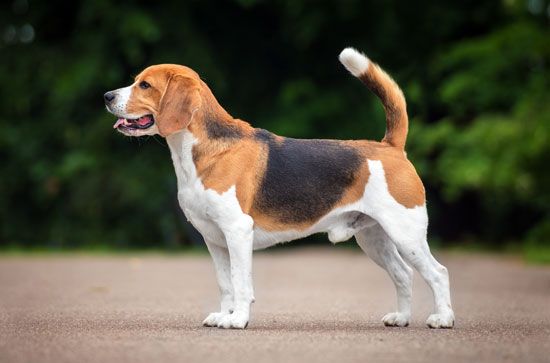
- Specialization: While breeds like the beagle excel at specific tasks like rabbit hunting, the foxhound’s development has focused on the agility and speed necessary to follow a quarry across varied terrain.312
What are the physical characteristics of a foxhound?
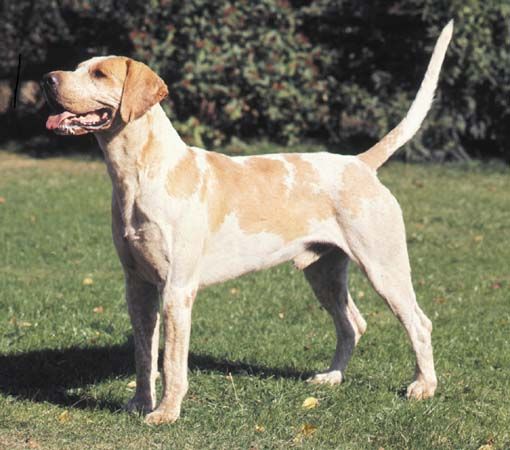
Foxhounds are categorized into two primary breeds: the English foxhound and the American foxhound. Both are bred for strength, speed, and versatility, though they exhibit distinct physical traits.1
English Foxhound
The English foxhound is a medium-sized, muscular dog known for its sturdy build.16
- Height: 21 to 25 inches (53 to 63.5 cm).1
- Weight: 60 to 70 pounds (27 to 32 kg).1
- Coat: Short and typically bi-colored or tri-colored (black, tan, and white).16
- Features: It possesses a lightly fringed tail.6
American Foxhound
The American foxhound shares a similar appearance to its English counterpart but is distinguished by a more lightly built frame. It is the oldest sporting dog breed in the United States and exists in various regional strains, such as the Walker, Trigg, July, and Birdsong hounds.1
Both breeds are characterized by their athletic endurance, which is essential for their traditional role in pack hunting.1
What are the main differences between American and English foxhounds?
While American and English foxhounds share a common ancestry, they have evolved into distinct breeds with notable physical and developmental differences.
Key Differences
- Build and Stature: The English foxhound is a medium-sized, muscular dog with a sturdy frame. In contrast, the American foxhound is more lightly built. While they are similar in overall size, the American variety is generally smaller and possesses longer ears.167
- Development and History: The English foxhound is the result of long, careful breeding in England. The American foxhound, recognized as the oldest sporting dog breed in the United States, was developed from English foxhounds imported starting in 1650.1
- Regional Variation: Unlike the more standardized English breed, the American foxhound includes various regional strains named after their developers, such as the Walker, Trigg, July, and Birdsong hounds.1
Both breeds are characterized by their strength, speed, and versatility as pack-hunting dogs. They are typically tri-colored (black, tan, and white) and are rarely kept as house pets.17
What role did foxhounds play in traditional fox hunting?
In traditional foxhunting, foxhounds serve as the essential engine of the chase. Kept in packs of 20 to 30 couples, these dogs are bred for their strength, speed, and versatility to track and pursue the quarry across various terrains.15
Their role is highly structured and managed by the hunt staff:
- Drawing: Upon the master’s command, the pack searches (draws) coverts—such as woodlands or fields—to locate a fox.5
- The Chase: Once a fox is found, the hounds signal the discovery through their cry. They are then controlled by the huntsman using voice commands (“cheers”) and a horn, while whippers-in assist in keeping the pack together.5
- Function: The hounds provide the primary means of tracking the animal. While traditional English hunts historically concluded with a kill, modern practices—particularly in the United States and Canada—often emphasize the chase itself rather than the capture of the quarry.5
Sources
- foxhound — Encyclopædia Britannica
- dog - Hounds — Encyclopædia Britannica
- canine - Form and function — Encyclopædia Britannica
- hound — Encyclopædia Britannica
- foxhunting — Encyclopædia Britannica
- English foxhound — Merriam-Webster
- American foxhound — Merriam-Webster
Published on · 3 min read