Fox
Throughout history, foxes have been prominent figures in global folklore, frequently portrayed as cunning tricksters or supernatural beings.
How have foxes been portrayed in different cultures and folklore throughout history?
Throughout history, foxes have been prominent figures in global folklore, frequently portrayed as cunning tricksters or supernatural beings.
In European tradition, the fox is famously embodied by Reynard the Fox, a central character in medieval beast epics who serves as a symbol of human cunning. Similarly, Aesop’s fables often feature a wily fox to highlight human follies.123
In Japan, the kitsune is a complex figure. In Shintō lore, they are revered as sacred messengers of the deity Inari, associated with prosperity and rice cultivation. Conversely, influenced by Buddhist tales of shape-shifting jackals, Japanese folklore also depicts them as mischievous or even malevolent spirits capable of possession.34
Elsewhere, portrayals vary significantly:
- Colombia and Panama: The Chaco people tell tales of the fox, who, like the North American Coyote, is often depicted as a trickster who is ultimately bested.3
- General Symbolism: Across many cultures, the fox serves as a trickster—a character defined by guile and intelligence—often used to explore moral lessons or social satire.31
What are some unique physical features of foxes compared to other canines?
Foxes possess several distinct physical characteristics that set them apart from other members of the Canidae family, such as wolves and coyotes:
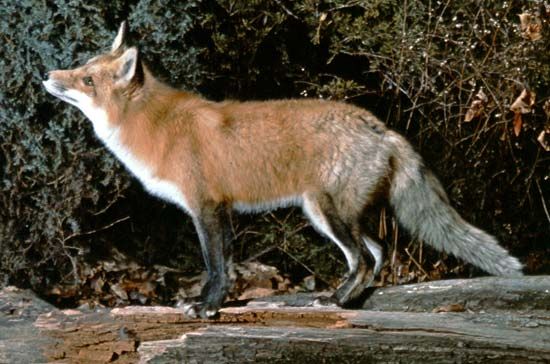
- Eyes: The most notable difference is the shape of the pupils. Foxes have yellow eyes with elliptical pupils, whereas all other canids possess round pupils.5
- Size: Foxes are generally smaller than many other canids, typically weighing between 10 and 15 pounds, though the fennec is significantly smaller, weighing only about three pounds.5
- Social Behavior and Diet: Unlike many other canids that live and hunt in packs, foxes are typically solitary or live in pairs and are monogamous. Their diet is also more varied; while many larger canids are strictly carnivorous, foxes are omnivorous, consuming fruits and berries alongside small mammals, birds, and insects.56
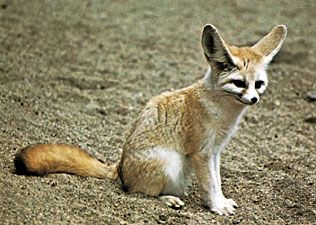
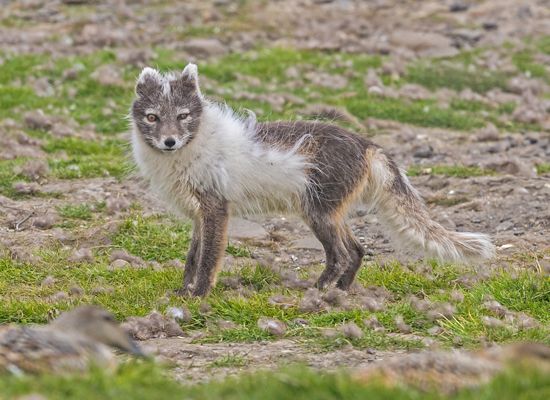
- Adaptations: Some species, such as the fennec and the bat-eared fox, have evolved exceptionally large ears that serve as heat regulators to dissipate body heat in hot climates. Conversely, the Arctic fox has evolved short, rounded ears and fur-covered soles to conserve heat in freezing environments.758
How many species of foxes are there, and where are they found around the world?
The term “fox” is used to describe various members of the Canidae family. While “true” foxes are classified within the genus Vulpes, several other species are also commonly referred to as foxes.
Classification and Diversity
There is no single, universally agreed-upon number of fox species, as classification can vary by source. However, the family Canidae includes several distinct groups often categorized as foxes:1213
- Genus Vulpes (True Foxes): This group includes approximately 10 to 12 species, such as the red fox, Arctic fox, fennec, and Tibetan fox, found across Europe, Asia, Africa, and North America.1213
- South American Foxes (Genus Pseudalopex): There are 6 species native to South America.13
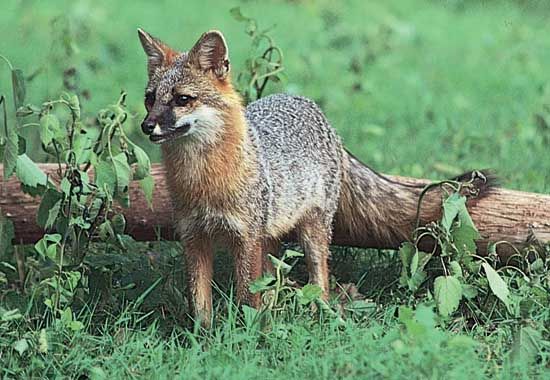
- Gray Foxes (Genus Urocyon): This genus includes 2 species found in North and South America.13
- Other Genera: Additional species, such as the bat-eared fox (Africa) and the crab-eating fox (South America), are also recognized as fox-like canids.1213
Global Distribution
Foxes are found worldwide, inhabiting diverse environments ranging from Arctic tundra and arid deserts to forests and urban areas. While the red fox has the largest natural distribution of any land mammal—spanning North America, Eurasia, and northern Africa—other species are more localized, such as the fennec in the deserts of North Africa and the Arabian Peninsula.127
What is the typical diet of foxes, and how does it vary between different fox species?
Foxes are generally classified as omnivores, meaning they have a flexible diet consisting of both animal and plant matter. Their feeding habits are highly opportunistic, allowing them to adapt to various environments, including forests, grasslands, and urban areas.1415
Typical Diet
The diet of a fox typically includes:
- Small Mammals: Mice, voles, and rabbits are common prey.15
- Birds and Eggs: Foxes frequently hunt birds and consume their eggs.156
- Plant Material: They readily eat fruits, berries, and grains, such as sunflower seeds.1514
- Scavenged Food: Foxes are known to consume carrion, garbage, unattended pet food, and domestic poultry when available.15
Variation Between Species
Dietary patterns often shift based on the specific environment and seasonal availability of food:
- Red Fox: As highly adaptable generalists, red foxes thrive in human-dominated landscapes. In urban areas, they may rely more heavily on human-provided food sources like garbage and pet food.15
- Arctic Fox: Living in harsh, resource-limited environments, the Arctic fox is particularly opportunistic. During the summer, it preys primarily on rodents like lemmings and birds. In the winter, when food is scarce, it may hunt larger prey like reindeer or follow polar bears to scavenge the remains of their kills.6
Sources
- Trickster tale — Encyclopædia Britannica
- kitsune — Encyclopædia Britannica
- fable, parable, and allegory - Beast epic — Encyclopædia Britannica
- fable — Encyclopædia Britannica
- canine - Form and function — Encyclopædia Britannica
- Arctic fox — Encyclopædia Britannica
- dog - Foxes — Encyclopædia Britannica
- Why Do Animals Have Tails? — Encyclopædia Britannica
- Tail — Encyclopædia Britannica
- carnivore - Distinguishing taxonomic features — Encyclopædia Britannica
- canine - Natural history — Encyclopædia Britannica
- fox — Encyclopædia Britannica
- canine - Paleontology and classification — Encyclopædia Britannica
- red fox — Encyclopædia Britannica
- omnivore — Encyclopædia Britannica
- mammal - Food habits — Encyclopædia Britannica
- food web — Encyclopædia Britannica
Published on · 4 min read